 Lilshira


Discover Guayaquil, Ecuador
Guayaquil is Ecuador’s largest city, known for its riverside promenades and vibrant culture.
24°C / 75°F
Sunny in Guayaquil
Peak Season
High visitor demand
Guayaquil at a glance
Guayaquil, the economic hub of Ecuador, sits on the banks of the Guayas River and hosts an estimated 2.7 million residents. The city enjoys a tropical savanna climate with warm temperatures year‑round and a distinct dry season that makes outdoor activities comfortable. Its waterfront development, historic neighborhoods, and lively markets give the city a unique blend of modern commerce and traditional charm.

Things to Do in Guayaquil
Curated experiences led by local experts.

5-Day Galápagos Adventure: Bike, Kayak, Hike & Snorkel
5 Days • Experience

Ecuador & Galapagos Islands
12 Days • Experience
From EUR3,955
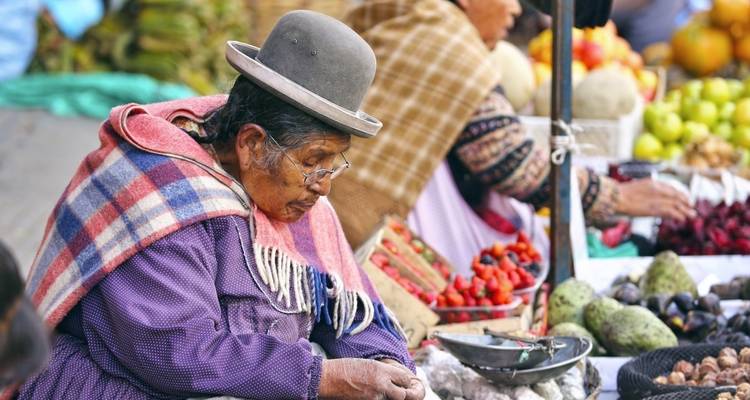
Latin America Highlights
23 Days • Experience
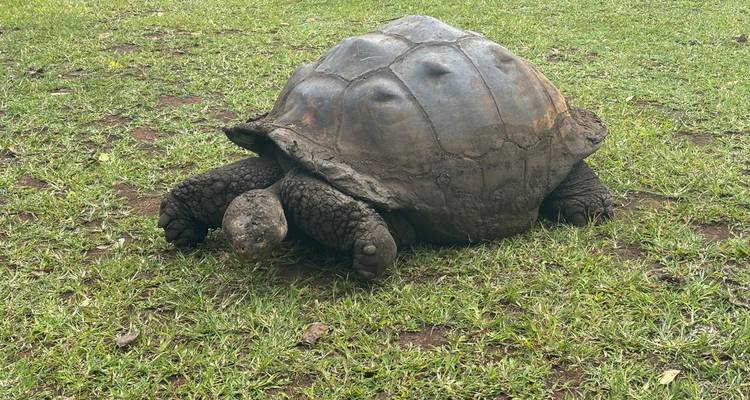
10 Days Galapagos Island Hopping | Daily Small-Group Tours
10 Days • Experience
From EUR2,615
Map View
Explore Guayaquil on the map
Guayaquil
The map is centred on Guayaquil.
Why travel to Guayaquil?
The city works well for business travelers seeking a central South‑American port, families looking for riverfront parks and cultural museums, and adventure seekers interested in exploring nearby mangroves and island tours. The dry months provide reliable weather for walking tours, while the extensive riverfront area offers opportunities for boat rides, dining, and evening strolls.
Guayaquil travel blogs
Stories and guides connected to Guayaquil and the surrounding destination.
How many days are enough to visit Ecuador? Find the perfect length
A ten‑to‑twelve‑day itinerary gives most visitors enough time to experience Ecuador’s highlights without feeling rushed....
What Should You Know Before Visiting Ecuador? A Complete Country Guide
Before you set foot in Ecuador, understand its diverse climates, varied altitudes, and modest travel costs. Plan for 10‑...
What are the hidden gems of Ecuador? Discover Untouched Wonders
Ecuador’s hidden gems are the lesser‑known cloud‑forest waterfalls of the Andes, the secluded Pacific fishing villages,...
Is Ecuador safe for travellers? What you need to know
Yes, Ecuador is generally safe for travellers, especially in the main tourist corridors and major cities when common sen...
What is a good itinerary for Ecuador? A 10‑Day Travel Plan
A well‑balanced 10‑day itinerary lets you explore Quito, the Avenue of Volcanoes, the Amazon lowlands and the Pacific co...
What is the Best Time to Visit Ecuador? A Complete Seasonal Overview
The optimal time to visit Ecuador is from June to September, when the Andes enjoy dry, sunny days and the Amazon basin e...
More in Ecuador
Browse more city pages across Ecuador.