Ecuador Coast

Explore Ecuador

Discover Ecuador’s diverse landscapes, vibrant cities, and unique wildlife.

25 Tours
6 Guides
20 Cities
payments

Currency

United States Dollar (USD)

translate

Language

Spanish

groups

Population

About 17.6 million

passport

Visa

Visa‑free for most tourists up to 90 days; some nationalities need an e‑visa

security

Safety

Generally safe in tourist areas; exercise standard precautions against petty crime

savings

Travel Cost

Moderate; budget‑friendly options available

wb_sunny

Best Visit

June – September (dry season in the highlands)

Ecuador at a glance

Ecuador offers a blend of coastal beaches, Andean highlands, Amazon rainforest, and the world‑renowned Galápagos Islands. Its major cities such as Quito, Guayaquil, and Cuenca showcase colonial architecture and modern culture, while the country’s varied climate ranges from tropical on the coast to cool in the mountains. Visitors can experience a range of activities, from wildlife tours in the Galápagos to exploring historic plazas in Quito.

Ecuador view Ecuador view

Map View

Explore Ecuador on the map

Centered on the country’s main cities and scaled to keep the full destination in view.

place 20 Attractions public Google Maps style
search
Search area
Ecuador
Country location
Ecuador
Centred from 20 city points.
open_in_new Open in Google Maps

Ecuador travel overview

The country is ideal for adventure travelers, nature lovers, and cultural explorers. Trekking in the Andes, bird‑watching in the Amazon, and island‑hopping in the Galápagos suit active itineraries, while city visits provide insight into Ecuadorian art, cuisine, and traditions. The moderate travel cost and visa‑free entry for many nationalities make it accessible for both short city breaks and extended multi‑region journeys.

Ecuador view Ecuador view

Essential Travel Tips

Book Early

Popular routes and hotels fill quickly in peak season.

Mix Transport

Use trains between cities and local transit inside centers.

Stay Central

Base yourself near a walkable area to save time.

Cash Ready

Some small vendors still prefer cash for smaller purchases.

Pack Smart

Comfortable shoes matter more than anything else.

Frequently Asked Questions

What is the best time of year to visit Ecuador? expand_more
The most favorable period for mainland travel is June through September, when the highland regions experience dry weather and clear skies. Coastal areas are also pleasant from December to May, offering warm temperatures and less rain. Choosing the season that matches your preferred activities will enhance your experience.
Do I need a visa to travel to Ecuador? expand_more
Most tourists can enter Ecuador without a visa for stays up to 90 days. Citizens of several countries, including the United States, Canada, and EU members, enjoy visa‑free entry. Travelers from nations that require a visa can obtain an electronic visa (e‑visa) prior to arrival. Always verify the latest requirements based on your nationality.
What currency is used in Ecuador and can I use credit cards? expand_more
Ecuador uses the United States Dollar (USD) as its official currency. Credit and debit cards are widely accepted in hotels, restaurants, and larger shops in major cities and tourist areas. Smaller vendors and remote locations may prefer cash, so carrying some bills for daily expenses is advisable.
What language is spoken in Ecuador and will English be understood? expand_more
Spanish is the official language throughout Ecuador. In tourist hubs such as Quito, Guayaquil, and the Galápagos Islands, many staff in hotels, tour operators, and restaurants speak basic English. Learning a few common Spanish phrases can improve interactions, especially in rural or less‑touristed areas.
How much does a typical trip to Ecuador cost? expand_more
Ecuador is considered a moderate‑cost destination. Budget travelers can find hostels, local meals, and public transport for under $30 USD per day, while mid‑range visitors often spend $70‑$120 USD daily on comfortable accommodations, guided tours, and dining. Prices vary by region, with the Galápagos generally higher than the mainland.
What are the main attractions in Ecuador? expand_more
Key attractions include the historic center of Quito, the coastal city of Guayaquil, the colonial charm of Cuenca, and the biodiversity of the Amazon basin. The Galápagos Islands provide world‑class wildlife encounters, while natural sites such as Cotopaxi Volcano and the Avenue of the Volcanoes draw adventure seekers.
How long should I stay to see both the mainland and the Galápagos? expand_more
A balanced itinerary typically allocates 7‑10 days for mainland highlights—cities, highlands, and rainforest—followed by 5‑7 days for a Galápagos cruise or land‑based tour. This schedule allows enough time to experience cultural sites, outdoor activities, and the unique wildlife of the islands without feeling rushed.
Which cities are most popular for visitors in Ecuador? expand_more
The most visited cities are Quito, the capital with its UNESCO‑listed historic district; Guayaquil, the economic hub and port city; Cuenca, known for its colonial architecture; as well as Santo Domingo, Ambato, and Manta. These locations offer a mix of cultural attractions, dining, and access to surrounding natural sites.
What climate can I expect in different regions of Ecuador? expand_more
Ecuador’s climate varies by altitude. The coastal region is tropical, featuring warm temperatures and higher humidity year‑round. The Andean highlands experience cooler, temperate weather with a dry season from June to September. The Amazon basin is equatorial, with warm, humid conditions and frequent rainfall throughout the year.
What wildlife experiences are available in Ecuador? expand_more
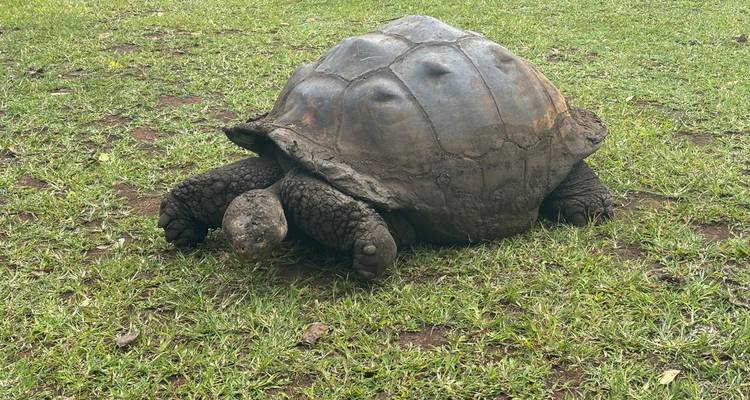
Ecuador is renowned for its biodiversity. In the Galápagos Islands, visitors can see giant tortoises, marine iguanas, and blue‑footed boobies. Mainland options include bird‑watching in the Amazon rainforest, spotting jaguars and tapirs, and exploring cloud forests where unique orchids and amphibians thrive.