 Lilshira


Explore Jinja, Uganda
Discover adventure and culture at the source of the Nile.
24°C / 75°F
Sunny in Jinja
Peak Season
High visitor demand
Jinja at a glance
Jinja is a town in eastern Uganda situated on the banks of the River Nile. It is known as a gateway for water‑based and adventure activities, offering visitors direct access to the world’s longest river and a vibrant local community.

Things to Do in Jinja
Curated experiences led by local experts.
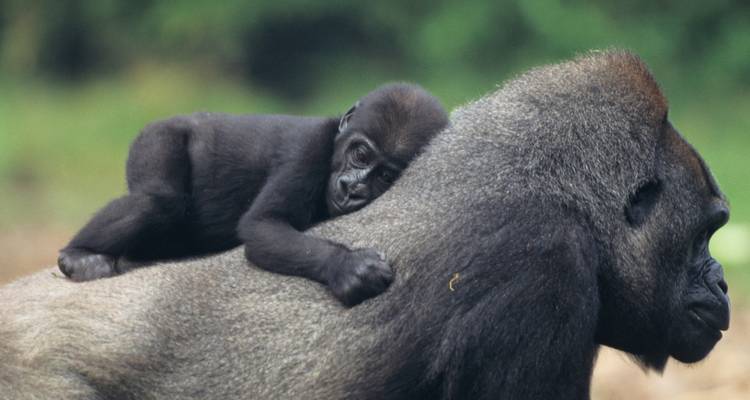
10‑Day Overland Safari from Nairobi to Kampala
10 Days • Experience
From USD2,240

Grand East African Safari (Gorilla & Migration)
12 Days • Experience
From EUR7,461
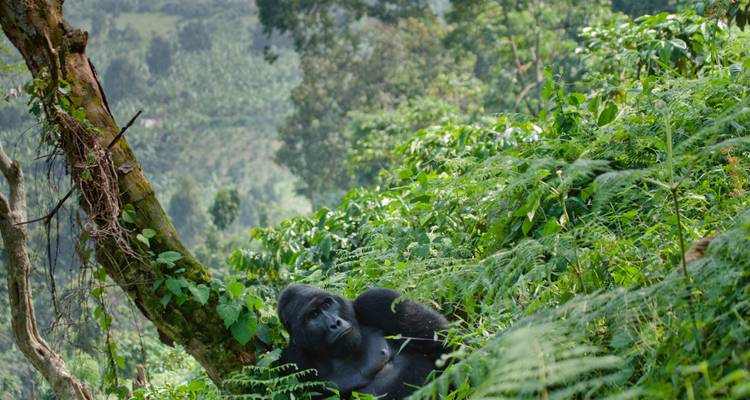
Friends of the Silverback
5 Days • Experience
From EUR4,400
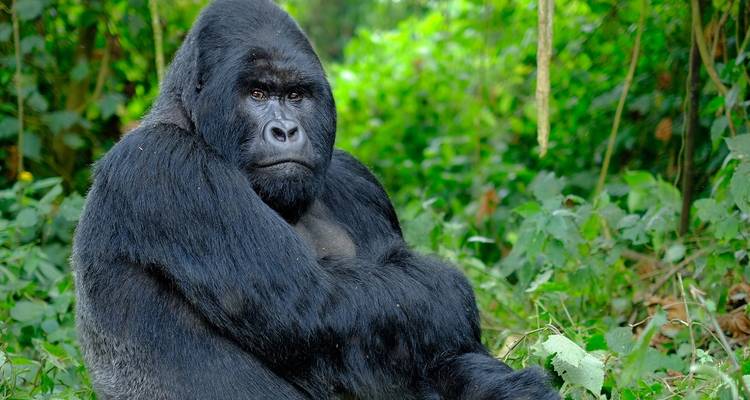
Uganda & Gorilla Trek Express (Accommodated) - 6 days
4 Days • Experience
From EUR1,765
Map View
Explore Jinja on the map
Jinja
The map is centred on Jinja.
Why travel to Jinja?
The city suits travelers looking for active trips, such as white‑water rafting, kayaking, and boat cruises, as well as those interested in cultural experiences like local markets and historic sites. Its riverside setting makes it ideal for short getaways focused on outdoor adventure and Ugandan heritage.
Jinja travel blogs
Stories and guides connected to Jinja and the surrounding destination.
What Should You Know Before Visiting Uganda – A Complete Country Guide
You need a visa, up‑to‑date vaccinations, and a plan for the climate and transport. Most travelers spend 10‑14 days to s...
What are the hidden gems of Uganda? Explore secret spots
Uganda’s hidden gems are the secluded Ssese Islands on Lake Victoria, the dramatic Rwenzori foothills near Fort Portal,...
What is a good itinerary for Uganda? A 10‑Day Adventure
A ten‑day circuit is a solid choice for most travellers. It starts in Kampala, moves north to Murchison Falls, heads wes...
Is Uganda safe for travellers? A clear safety overview
Yes, Uganda is safe for most travellers who follow standard precautions. The country’s major tourist routes and parks ha...
What is the Best Time to Visit Uganda? Find the Ideal Season
The best time to visit Uganda is during the dry months of June through September, with December to February offering ano...
How many days are enough to visit Uganda? Find the perfect trip length
Ten to twelve days are enough to experience Uganda’s key highlights without feeling rushed. This timeframe lets you comb...
More in Uganda
Browse more city pages across Uganda.