
Uganda Coast

Uganda Travel Overview

Key facts and tips for visiting Uganda.

7 Tours
6 Guides
5 Cities
payments

Currency

Ugandan shilling (UGX)

translate

Language

English, Swahili

groups

Population

≈45 million

passport

Visa

Visa required for most; e‑visa available

security

Safety

Generally safe in tourist areas; use standard precautions

savings

Travel Cost

Moderate; $50‑$100 per day

wb_sunny

Best Visit

June‑September or December‑February

Uganda at a glance

Uganda, located in East Africa, offers a mix of wildlife, natural scenery, and cultural centers. With 20 cities, including Kampala, Gulu, Mbarara, Jinja, and Mbale, travelers can experience urban life and access nearby national parks. The country’s tropical climate features two rainy seasons and dry periods that align with the recommended visiting months. A selection of five tours, such as the 10‑Day Overland Safari from Nairobi to Kampala, highlights the range of experiences available.
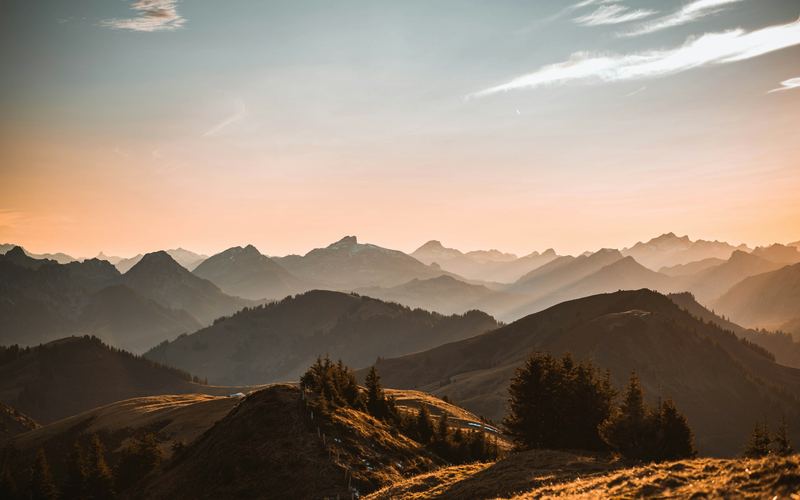
Uganda view Uganda view

Map View

Explore Uganda on the map

Centered on the country’s main cities and scaled to keep the full destination in view.

place 5 Attractions public Google Maps style
search
Search area
Uganda
Country location
Uganda
Centred from 5 city points.
open_in_new Open in Google Maps

Uganda travel overview

The country suits travelers interested in wildlife safaris, overland journeys, and cultural city exploration. Safari routes connect major wildlife areas with urban hubs, while cities like Kampala and Jinja serve as bases for river activities and heritage sites. The moderate daily cost supports budget to mid‑range itineraries, making Uganda adaptable for both short city stays and extended adventure trips.

Uganda view Uganda view

Cities in Uganda

Explore the main cities in Uganda and open each one for more local details.

Essential Travel Tips

Book Early

Popular routes and hotels fill quickly in peak season.

Mix Transport

Use trains between cities and local transit inside centers.

Stay Central

Base yourself near a walkable area to save time.

Cash Ready

Some small vendors still prefer cash for smaller purchases.

Pack Smart

Comfortable shoes matter more than anything else.

Frequently Asked Questions

What is the best time of year to visit Uganda? expand_more
The optimal periods are the dry seasons of June to September and December to February. During these months rainfall is lower, road conditions are better, and wildlife viewing is more reliable across the country’s parks and reserves.
Which visa options are available for travelers to Uganda? expand_more
Most visitors need a visa, which can be obtained online through an e‑visa system. Certain nationalities are allowed visa‑free entry for short stays, typically up to 90 days, but checking the latest requirements before travel is recommended.
How much should I budget per day for a trip to Uganda? expand_more
A moderate budget of roughly $50 to $100 per day covers accommodation, meals, local transport, and entry fees for most attractions. Costs can vary based on the level of comfort chosen and the specific activities planned.
What languages are commonly spoken by visitors and locals in Uganda? expand_more
English and Swahili are the official languages used in government, business, and tourism. Many locals also speak regional languages, but English and Swahili are sufficient for most travel interactions.
Which cities are popular for visitors in Uganda? expand_more
Key destinations include Kampala, Gulu, Mbarara, Jinja, Mbale, Nansana, Kira, Bunamwaya, Kyengera, Kasangati, Mukono, and Njeru. These cities provide access to cultural sites, markets, and transport links to surrounding attractions.
What climate can I expect during a visit to Uganda? expand_more
Uganda has a tropical climate with warm temperatures year‑round and two main rainy seasons. The dry periods in June‑September and December‑February are the most comfortable for outdoor activities and travel.
Are there any safety considerations for tourists in Uganda? expand_more
Tourist areas are generally safe, but standard precautions such as staying aware of surroundings, avoiding isolated border regions, and following local advice are advisable. Registering with your embassy can add an extra layer of security.
How can I travel between major cities like Kampala and Jinja? expand_more
Road transport is the primary option. Buses and private cars cover the roughly 80 km distance, typically taking 1.5 to 2 hours depending on traffic and road conditions.
What transportation options are available for overland safaris in Uganda? expand_more
Overland safaris commonly use 4×4 vehicles operated by tour companies. Routes often start from neighboring countries, such as the 10‑Day Overland Safari from Nairobi to Kampala, providing organized travel across wildlife reserves and road networks.
Are there recommended tours that start from neighboring countries? expand_more
Yes. The 10‑Day Overland Safari from Nairobi to Kampala is listed in multiple languages and offers a structured itinerary that combines cross‑border travel with wildlife and cultural experiences.