 Lilshira


Explore Kaohsiung
Discover Kaohsiung’s waterfront charm, cultural sites, and lively markets in Taiwan’s southern hub.
24°C / 75°F
Sunny in Kaohsiung
Peak Season
High visitor demand
Kaohsiung at a glance
Kaohsiung, Taiwan’s second‑largest city, is home to roughly 2.8 million residents. The city enjoys a tropical monsoon climate, with hot, humid summers and mild, drier winters. Visitors find the most comfortable conditions from October through April, when rainfall lessens and temperatures stay between 20 °C and 28 °C, making outdoor exploration pleasant.

Things to Do in Kaohsiung
Curated experiences led by local experts.

Taiwan Express
8 Days • Experience
From EUR1,469

Best of Taiwan 9 Days Tour Package
9 Days • Experience
From EUR1,813

Luxury Taiwan Panorama
11 Days • Experience
From EUR2,688
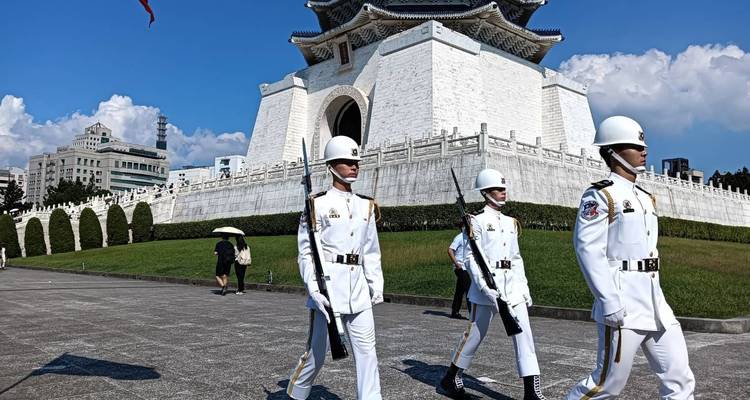
【Taiwan】10-Day Tour Package with featuring the Guard Change at Chiang Kai-shek Memorial Hall
10 Days • Experience
From EUR2,094
Map View
Explore Kaohsiung on the map
Kaohsiung
The map is centred on Kaohsiung.
Why travel to Kaohsiung?
Kaohsiung suits a range of travelers, from families seeking seaside parks and cultural museums to food lovers eager to sample fresh seafood and night‑market snacks. Its compact MRT network and bike‑share system make it ideal for short city breaks, while nearby mountains and islands provide options for nature‑focused getaways.
Kaohsiung travel blogs
Stories and guides connected to Kaohsiung and the surrounding destination.
What is a good itinerary for Taiwan? A 7‑Day Travel Plan
A solid Taiwan itinerary spans seven days, balancing northern city life, central mountain scenery, and southern coastal...
What Should You Know Before Visiting Taiwan? A Complete Country Guide
Before you set foot in Taiwan, know that the island offers mild weather from October to April, a 7‑10 day itinerary for...
Is Taiwan Safe for Travellers? What You Need to Know
Taiwan is generally safe for travellers, offering low crime rates, efficient emergency services, and welcoming locals. M...
What is the best time to visit Taiwan? Discover the perfect months for weather, festivals and travel
The best time to visit Taiwan is from late March to early June, when the weather is mild and the island’s festivals are...
How many days are enough to visit Taiwan? A practical guide
A week—seven to ten days—is generally enough to experience Taiwan's highlights without rushing. This timeframe lets you...
What are the hidden gems of Taiwan? A guide to secret spots
Taiwan’s hidden gems are its remote mountain villages, secluded coastal bays, lesser‑known temples and quiet tea‑plantat...
More in Taiwan
Browse more city pages across Taiwan.