 Lilshira


Discover Lae, Papua New Guinea
Lae is PNG’s second‑largest city, known for its river port and vibrant market life.
24°C / 75°F
Sunny in Lae
Peak Season
High visitor demand
Lae at a glance
Lae serves as Papua New Guinea’s commercial gateway, anchored by a busy river port on the Markham River. The city blends industrial activity with local culture, offering visitors a glimpse of PNG’s trade hub while providing access to nearby natural attractions and regional markets.

Things to Do in Lae
Curated experiences led by local experts.
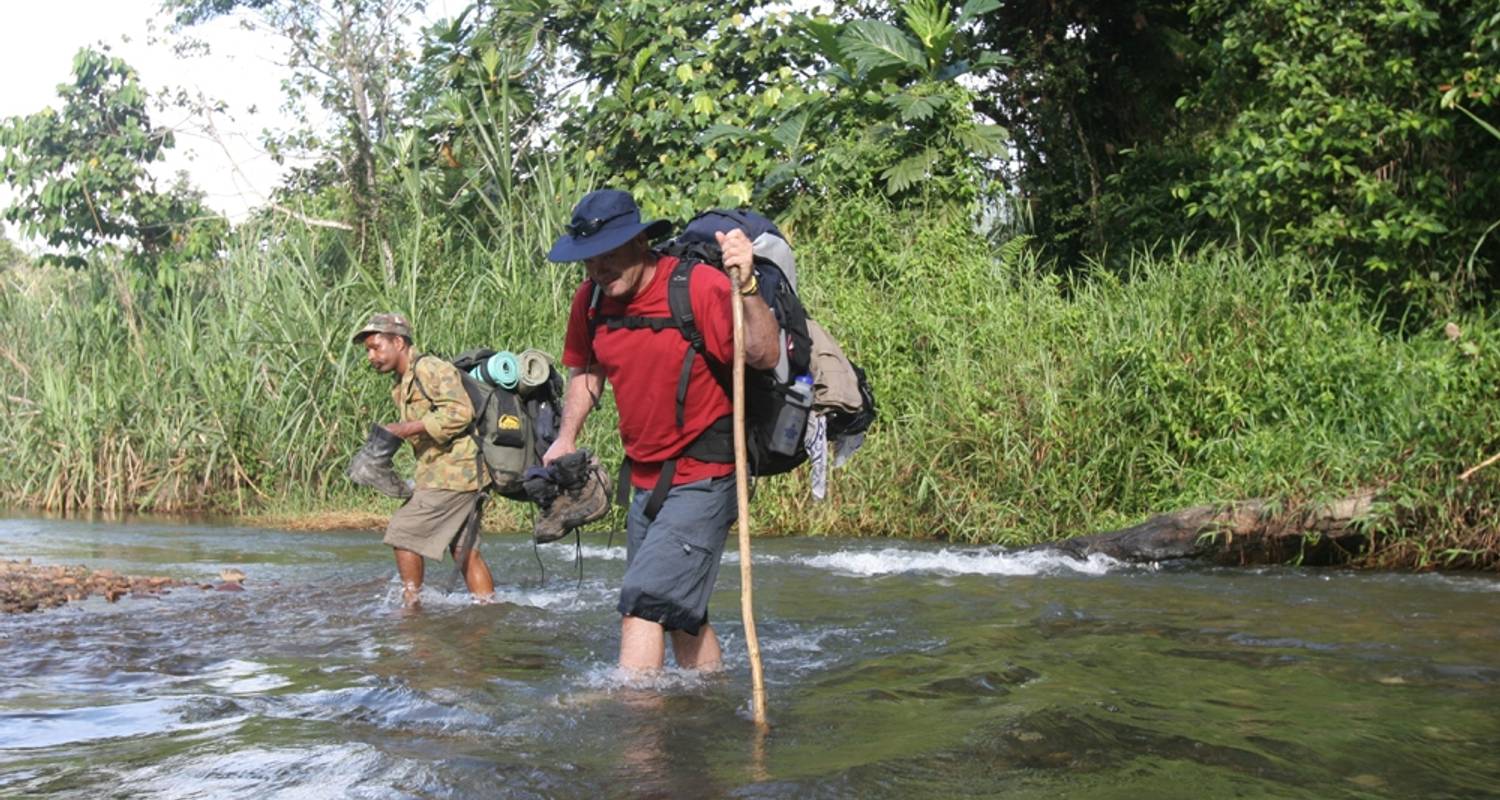
11‑Day Australian‑Led Kokoda Trail Trek in Papua New Guinea
11 Days • Experience
From EUR2,368
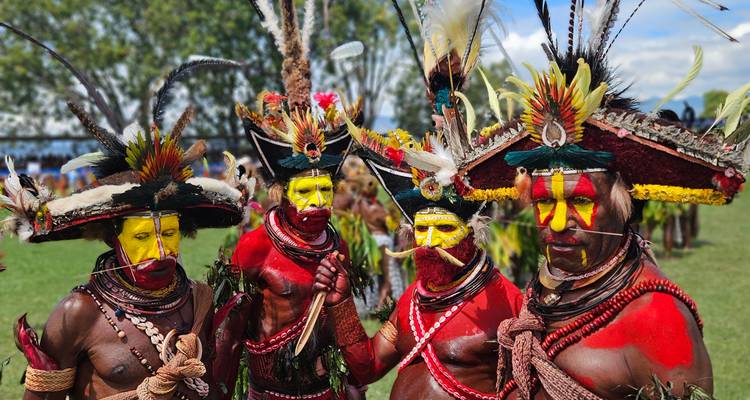
Papua New Guinea Goroka Show & Kalam Festival – 10‑Day Cultural Tour
10 Days • Experience
From USD7,235
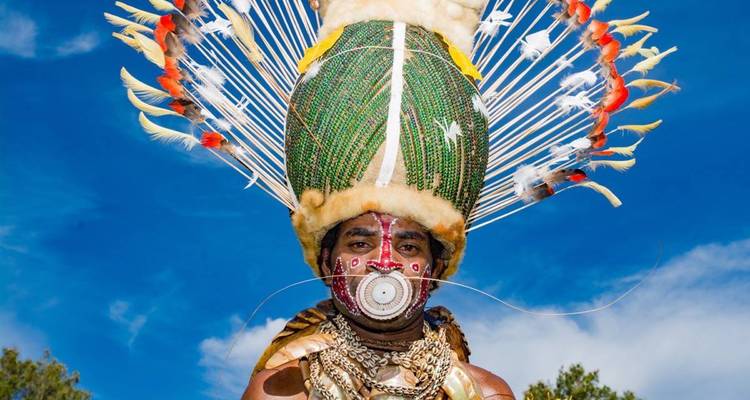
Goroka Festival and Asaro Mudmen Day trip 5-night Tour - Bird of Paradise Hotel
6 Days • Experience
From EUR2,365

Goroka Festival and Asaro Mudmen Day trip 5-night Tour - Klerht Cove
6 Days • Experience
From EUR1,419
Map View
Explore Lae on the map
Lae
The map is centred on Lae.
Why travel to Lae?
Lae is ideal for business travelers, gateway trips to the Highlands, and cultural explorers seeking authentic market experiences. Its position as a transport hub makes it a practical base for regional trade missions, while its riverside scenery and local markets appeal to visitors interested in PNG’s everyday life.
Lae travel blogs
Stories and guides connected to Lae and the surrounding destination.
What Should You Know Before Visiting Papua New Guinea Travel Tips
You should know that Papua New Guinea is a culturally diverse, rugged island nation where travel requires careful planni...
What are the hidden gems of Papua New Guinea? Explore remote wonders
Papua New Guinea’s hidden gems are its secluded waterfalls in the Sepik Highlands, the untouched coral at Milne Bay’s Os...
Is Papua New Guinea Safe for Travellers? A Practical Overview
Papua New Guinea is safe for travellers who take sensible precautions. Most visitors experience trouble‑free stays by st...
What is a good itinerary for Papua New Guinea? A 10‑Day Travel Plan
A well‑balanced 10‑day itinerary covers Port Moresby, the Highlands, and the Sepik River, giving you culture, wildlife,...
What is the best time to visit Papua New Guinea? Dry season guide
The best time to visit Papua New Guinea is during the dry season, from May to October. These months bring lower rainfall...
How many days are enough to visit Papua New Guinea? Your Ideal Trip Length
A well‑balanced first visit to Papua New Guinea generally needs 10 to 14 days. This range lets you experience the capita...
More in Papua New Guinea
Browse more city pages across Papua New Guinea.