Papua New Guinea Coast

Explore Papua New Guinea

Discover the diverse culture, rugged landscapes, and vibrant festivals of Papua New Guinea.

4 Tours
6 Guides
5 Cities
payments

Currency

Papua New Guinean kina (PGK)

translate

Language

English, Tok Pisin

groups

Population

About 9 million

passport

Visa

Visa required; many nationals receive visa on arrival for up to 60 days

security

Safety

Moderate; exercise caution, especially in remote areas

savings

Travel Cost

Moderate

wb_sunny

Best Visit

May – October (dry season)

Papua New Guinea at a glance

Papua New Guinea, located in the UTC+10 time zone, is a nation of roughly 9 million people. English serves as the official language, while Tok Pisin is widely spoken across the islands. The country uses the Papua New Guinean kina and offers a tropical climate that shifts from humid lowlands to cooler highlands. Major urban centres such as Port Moresby, Lae, Mount Hagen, and Madang act as gateways to cultural experiences, including the Kokoda Trail trek and the Goroka Show festival.

Papua New Guinea view Papua New Guinea view

Map View

Explore Papua New Guinea on the map

Centered on the country’s main cities and scaled to keep the full destination in view.

place 5 Attractions public Google Maps style
search
Search area
Papua New Guinea
Country location
Papua New Guinea
Centred from 5 city points.
open_in_new Open in Google Maps

Papua New Guinea travel overview

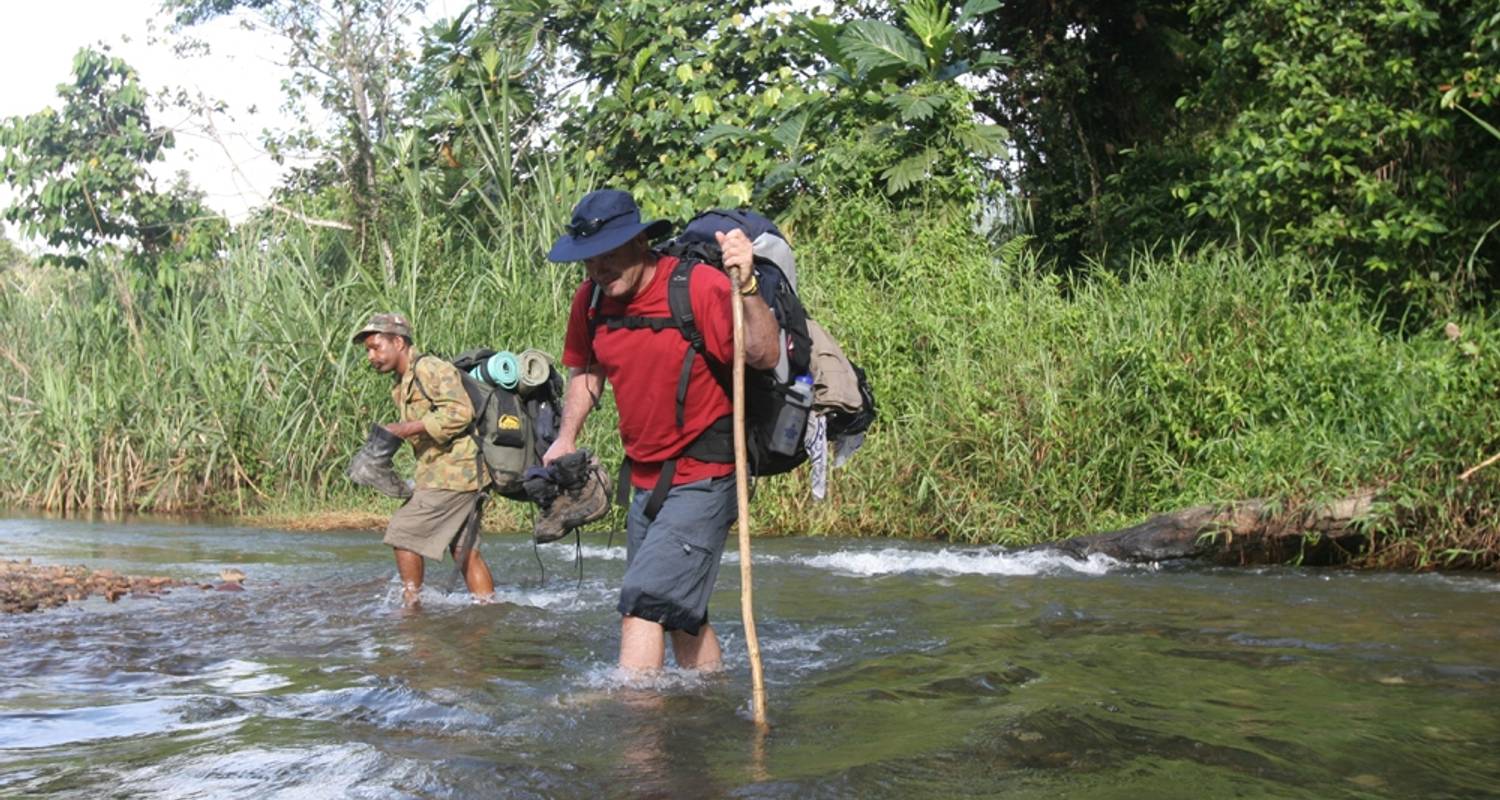
The destination is well‑suited for cultural immersion and adventure travel. Visitors can join guided treks along the historic Kokoda Trail, attend the Goroka Show and Kalam Festival in September, or explore highland markets and scenic landscapes. The moderate travel cost and a range of tours—like the 11‑day Kokoda Trail trek and 10‑day cultural tour—make it adaptable for both active explorers and those seeking authentic local experiences.

Papua New Guinea view Papua New Guinea view

Essential Travel Tips

Book Early

Popular routes and hotels fill quickly in peak season.

Mix Transport

Use trains between cities and local transit inside centers.

Stay Central

Base yourself near a walkable area to save time.

Cash Ready

Some small vendors still prefer cash for smaller purchases.

Pack Smart

Comfortable shoes matter more than anything else.

Frequently Asked Questions

How can I obtain a visa for Papua New Guinea? expand_more
Most travelers need a visa, but many nationalities can receive a visa on arrival for up to 60 days at the international airport. Alternatively, an e‑visa can be applied for online before departure. Check the latest requirements for your citizenship to confirm eligibility and any supporting documents.
When is the ideal season to travel to Papua New Guinea? expand_more
The dry season, running from May through October, offers the most reliable weather for outdoor activities and cultural events. During these months rainfall is reduced, temperatures remain comfortable, and major festivals such as the Goroka Show take place, making travel conditions favorable.
What budget should I plan for a mid‑range trip to Papua New Guinea? expand_more
A moderate budget of roughly US$100‑150 per day covers mid‑range accommodation, meals, local transport, and entry fees for tours. Costs can vary by city; Port Moresby and tourist‑focused areas may be slightly higher, while smaller towns often offer more affordable options.
Which cities serve as common entry points for international visitors? expand_more
Port Moresby, the capital, hosts the main international airport and is the primary entry point. Lae and Madang also have international and regional airports, providing alternative gateways for travelers arriving on connecting flights or planning to explore the northern coast.
What cultural festivals are recommended to include in an itinerary? expand_more
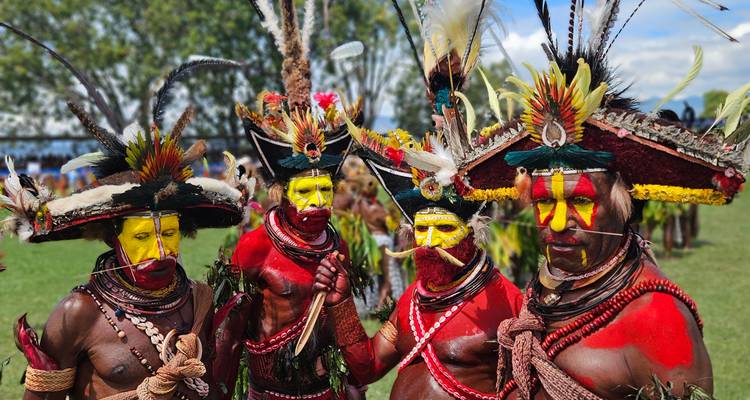
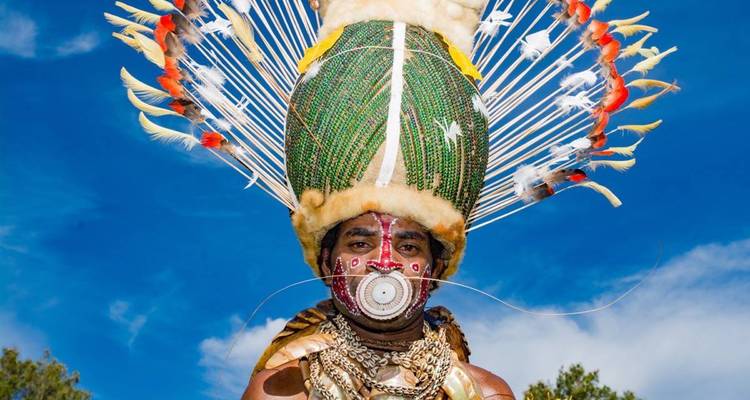
The Goroka Show in September showcases traditional dress, music, and dance from dozens of tribes. The Kalam Festival, held around the same time, highlights highland customs and agricultural displays. Both events offer immersive cultural experiences and are supported by organized tours.
What currency is used and can I rely on credit cards? expand_more
Papua New Guinea uses the Papua New Guinean kina (PGK). ATMs are available in major cities such as Port Moresby, Lae, and Madang, and credit cards are accepted in hotels, larger restaurants, and tour operators. Carrying some local cash is advisable for smaller markets and remote areas.
Is English sufficient for communication while traveling? expand_more
English is an official language and is used in government, business, and tourism sectors, especially in urban areas. Tok Pisin is widely spoken throughout the country and can be helpful in rural settings. Basic English skills are generally enough for most travel interactions.
What climate variations should I expect across the country? expand_more
Papua New Guinea experiences a tropical climate with hot, humid conditions in coastal lowlands and cooler temperatures in the highlands. The wet season runs from November to April, bringing heavy rain, while the dry season (May‑October) features clearer skies and lower humidity.
Which highland attractions are popular with visitors? expand_more
Highland destinations such as Mount Hagen offer vibrant market scenes and cultural performances. Trekking routes like the Kokoda Trail pass through mountainous terrain, providing historical insight and scenic views. The Goroka Show, held in the highlands, also draws many travelers interested in tribal traditions.
How many cities are there and which attract most tourists? expand_more
Papua New Guinea has 20 officially designated cities. The most frequently visited include Port Moresby, Lae, Madang, and Mount Hagen, each offering airports, accommodations, and access to cultural or natural attractions that cater to international visitors.