 Lilshira


Explore Lagos, Nigeria
Discover Lagos’ bustling culture, beaches, and culinary delights in Nigeria’s largest city.
24°C / 75°F
Sunny in Lagos
Peak Season
High visitor demand
Lagos at a glance
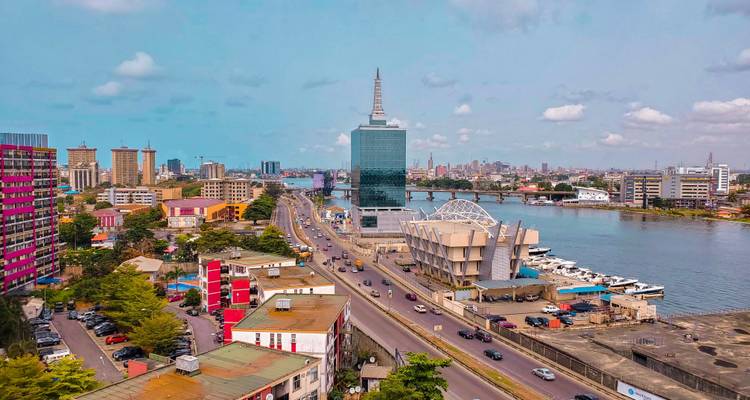
Lagos, Nigeria’s most populous city with an estimated 14 million residents, sits on the Atlantic coast and blends urban energy with tropical scenery. The city experiences a hot, humid climate with a rainy season from April to October and a dry, cooler period from November to March. Its dynamic markets, lively music scene, and historic waterfront make it a standout destination in West Africa.

Things to Do in Lagos
Curated experiences led by local experts.

Map View
Explore Lagos on the map
Lagos
The map is centred on Lagos.
Why travel to Lagos?
Lagos suits a range of travelers: culture seekers can explore museums, galleries, and festivals; beach lovers enjoy Tarkwa Bay and Elegushi Beach; food enthusiasts sample iconic Nigerian dishes; and nightlife fans find vibrant clubs on Victoria Island. The city also serves business visitors with a growing commercial hub and convenient airport connections.
Lagos travel blogs
Stories and guides connected to Lagos and the surrounding destination.
What are the hidden gems of Nigeria? A Traveller's Guide
Nigeria hides dozens of lesser‑known wonders beyond Lagos and Abuja. From the misty waterfalls of Erin-Ijesha to the anc...
What is a good itinerary for Nigeria? A 10‑12‑Day Guide
A good itinerary for Nigeria blends culture, wildlife and coastal relaxation over 10‑12 days. Spend 3‑4 days in Lagos, 2...
How many days are enough to visit Nigeria? Planning your perfect stay
A ten‑day itinerary is generally enough for a first‑time visit to Nigeria. This timeframe lets you explore Lagos, Abuja,...
What Should You Know Before Visiting Nigeria? A Complete Country Guide
You should know the climate, visa requirements, transport options, cultural etiquette, health precautions, and key attra...
Is Nigeria Safe for Travellers? A Practical Safety Overview
Yes, Nigeria can be safe for travellers if you plan ahead, stay in recommended areas, and use trusted services. Most vis...
What is the best time to visit Nigeria? Climate guide for travelers
The optimal period to visit Nigeria is the dry season, running from November through February. During these months rainf...
More in Nigeria
Browse more city pages across Nigeria.