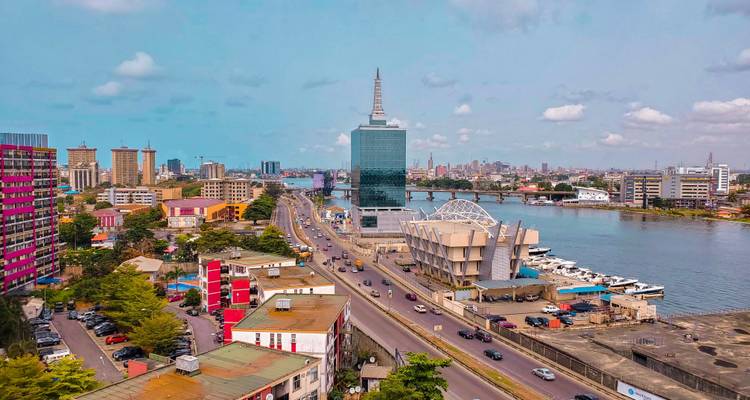
Nigeria Coast

Explore Nigeria

Discover Nigeria’s vibrant cities, culture, and travel essentials.

2 Tours
6 Guides
5 Cities
payments

Currency

Nigerian Naira (NGN)

translate

Language

English (official)

groups

Population

Approximately 216 million

passport

Visa

Visa required for most travelers; eVisa available

security

Safety

Varies by region; stay informed and avoid high‑risk areas

savings

Travel Cost

Moderate overall; accommodations and meals vary by city

wb_sunny

Best Visit

November to February (dry season)

Nigeria at a glance

Nigeria, a West African nation with a population of about 216 million, operates on West Africa Time (UTC+1). English serves as the official language, and the Nigerian Naira is the currency used nationwide. The country experiences a tropical climate with distinct wet and dry seasons, making the November‑to‑February period the most favorable for travel. Safety conditions differ across regions, so visitors should stay updated on local advisories.

Nigeria view Nigeria view

Map View

Explore Nigeria on the map

Centered on the country’s main cities and scaled to keep the full destination in view.

place 5 Attractions public Google Maps style
search
Search area
Nigeria
Country location
Nigeria
Centred from 5 city points.
open_in_new Open in Google Maps

Nigeria travel overview

Nigeria suits a range of trips, from cultural city tours in Lagos, Abuja, and Kano to business travel in its commercial hubs. The dry season offers comfortable weather for exploring historic markets, museums, and natural attractions. Travelers seeking diverse experiences will find the country’s mix of urban energy and regional heritage well‑matched to itineraries planned during the November‑February window.

Nigeria view Nigeria view

Essential Travel Tips

Book Early

Popular routes and hotels fill quickly in peak season.

Mix Transport

Use trains between cities and local transit inside centers.

Stay Central

Base yourself near a walkable area to save time.

Cash Ready

Some small vendors still prefer cash for smaller purchases.

Pack Smart

Comfortable shoes matter more than anything else.

Frequently Asked Questions

What are the visa requirements for visiting Nigeria? expand_more
Most nationalities must obtain a visa before entering Nigeria. Applications can be submitted online through the eVisa system or at a Nigerian embassy or consulate. The visa is usually a short‑stay tourist visa valid for up to 90 days. Travelers should check the specific requirements for their citizenship before booking.
When is the best time of year to travel to Nigeria? expand_more
The optimal period to visit Nigeria is during the dry season, which runs from November through February. During these months rainfall is minimal, temperatures are slightly cooler, and road conditions are generally better, making travel between cities more comfortable.
What currency is used in Nigeria and how can I exchange money? expand_more
Nigeria uses the Nigerian Naira (NGN) as its official currency. Currency can be exchanged at banks, licensed bureaus de change, and major hotels in cities such as Lagos and Abuja. ATMs dispense Naira, and credit cards are accepted in many urban establishments, though cash is still common for smaller vendors.
What language will I hear most often in Nigeria? expand_more
English is the official language of Nigeria and is used in government, business, and education. It is the primary language heard in airports, hotels, and most tourist areas. Numerous indigenous languages are spoken regionally, but English will be understood by the majority of service staff.
How much does a typical day cost for a traveler in Nigeria? expand_more
Daily expenses in Nigeria are moderate; budget travelers can manage meals and basic accommodation for around $30‑$50 USD, while mid‑range visitors may spend $70‑$120 USD per day for hotels, dining, and transport in cities like Lagos or Abuja. Prices vary widely between regions.
Which Nigerian cities are most popular for tourists? expand_more
Key Nigerian cities that attract visitors include Abuja, the federal capital; Lagos, the commercial hub; Kano, known for its historic markets; Ibadan, with cultural sites; Port Harcourt, an oil‑industry center; and Jos, noted for its cooler highland climate. These cities offer a mix of business, culture, and leisure attractions.
What climate can I expect during the dry season in Nigeria? expand_more
During Nigeria’s dry season, typically November to February, the climate is characterized by low humidity, limited rainfall, and daytime temperatures ranging from 25 °C to 30 °C in most regions. The northern areas may experience hotter days, while the southern coastal zones stay warm but less humid than the rainy months.
Are there any safety concerns I should be aware of when traveling in Nigeria? expand_more
Safety conditions differ across Nigeria; the southern and central states, especially Lagos and Abuja, are generally secure for tourists who stay in well‑known areas and use reputable transport. Some northern and eastern regions have higher security risks due to insurgent activity, and travelers are advised to consult up‑to‑date travel advisories and avoid high‑risk zones.
What time zone does Nigeria operate in? expand_more
Nigeria operates on West Africa Time (WAT), which is UTC+1 year‑round. The country does not observe daylight‑saving time, so the time difference remains constant throughout the year for travelers coordinating flights or communications with other regions.
How can I travel between Lagos and Abuja? expand_more
The most common way to travel between Lagos and Abuja is by air, with several daily flights operated by local airlines lasting about one hour. Overland options include long‑distance bus services and private car hires, but the journey can take 12‑14 hours due to distance and road conditions.