Larnaca, Cyprus

A coastal city offering historic sites, beaches, and Mediterranean charm.

explore
wb_sunny

24°C / 75°F

Sunny in Larnaca

trending_up

Peak Season

High visitor demand

Larnaca at a glance

Larnaca is a city on the southern coast of Cyprus, known for its seafront promenade, historic church, and nearby salt lake. The Mediterranean climate brings warm, dry summers and mild, wetter winters, allowing visitors to enjoy both beach leisure and cultural exploration. Its blend of ancient heritage and modern amenities makes it a distinctive destination in the region.

palette Culture & Art
restaurant_menu Culinary Heritage
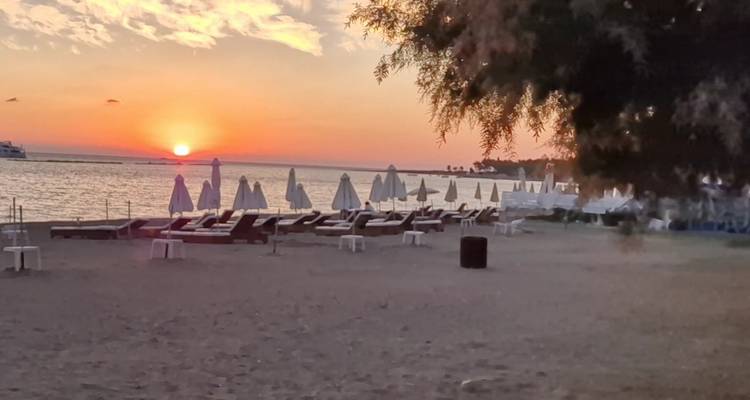
Larnaca View
Larnaca Landmark
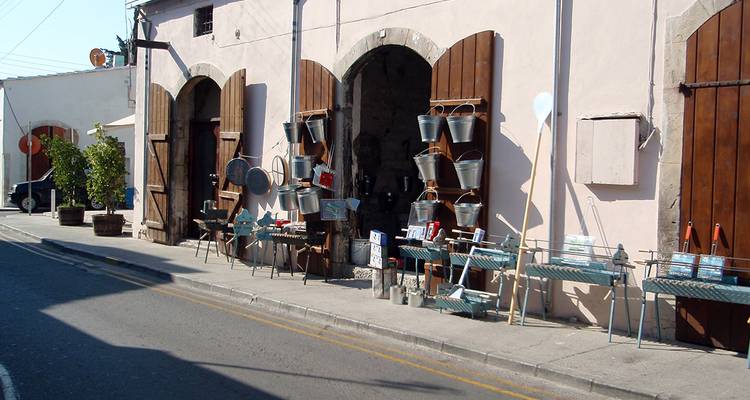
Larnaca Street

Things to Do in Larnaca

Curated experiences led by local experts.
View All Activities arrow_forward

Map View

Explore Larnaca on the map

open_in_new Open in Google Maps
place

Larnaca

The map is centred on Larnaca.

34.917, 33.633

Why travel to Larnaca?

Larnaca suits a variety of trips, from relaxed beach holidays to cultural itineraries focused on historic landmarks and local traditions. Families appreciate the safe, walkable waterfront and family‑friendly attractions, while solo travelers and couples enjoy the mix of seaside cafés, easy access to nearby archaeological sites, and opportunities for outdoor activities such as cycling and birdwatching.

palette Culture & Art
restaurant_menu Culinary Heritage
Larnaca View
Larnaca Landmark
Larnaca Street

Larnaca travel blogs

Stories and guides connected to Larnaca and the surrounding destination.

More in Cyprus

Browse more city pages across Cyprus.

Frequently Asked Questions

What is the best time of year to visit Larnaca?

expand_more
The most pleasant periods to travel to Larnaca are spring (April to early June) and early autumn (September to October). During these months temperatures are moderate, rainfall is limited, and the sea is warm enough for swimming, offering comfortable conditions for sightseeing and beach activities.

How many people live in Larnaca?

expand_more
Larnaca has an estimated resident population of around 50,000 people. This figure reflects the size of the city proper and provides a sense of its scale as a medium‑sized urban centre within Cyprus, offering both local community atmosphere and tourist facilities.

What type of climate does Larnaca have?

expand_more
Larnaca experiences a Mediterranean climate characterized by hot, dry summers and mild, wetter winters. Average daytime temperatures range from about 15 °C (59 °F) in winter to 30 °C (86 °F) in summer, with plenty of sunshine throughout most of the year, making outdoor activities feasible year‑round.

Do I need a visa to travel to Larnaca, Cyprus?

expand_more
Visa requirements for Cyprus depend on your nationality. Citizens of European Union countries can enter without a visa, while travelers from many other nations may need a short‑stay Schengen‑type visa or a national visa. It is advisable to check the latest entry rules with the nearest Cypriot embassy or official consular website before booking your trip.

What currency is used in Larnaca?

expand_more
The official currency in Larnaca, as in the rest of Cyprus, is the Euro (EUR). Credit and debit cards are widely accepted in hotels, restaurants, and shops, and ATMs are readily available throughout the city for cash withdrawals.

What are the main attractions in Larnaca?

expand_more
Key attractions in Larnaca include the Finikoudes beachfront promenade lined with cafés, the historic Saint Lazarus Church dating back to the 9th century, the Larnaca Salt Lake which attracts flamingos in winter, and the Hala Sultan Tekke mosque on the lake’s edge. These sites showcase the city’s blend of natural beauty, religious heritage, and coastal leisure.

Are there any historical sites to visit in Larnaca?

expand_more
Yes, Larnaca offers several historical sites such as the ancient church of Saint Lazarus, the ruins of the ancient city‑state of Kition with its archaeological museum, and the 17th‑century Ottoman-era Hala Sultan Tekke. These locations provide insight into the city’s multi‑layered past, spanning early Christianity, Phoenician settlement, and Ottoman influence.

What outdoor activities are popular in Larnaca?

expand_more
Visitors to Larnaca often enjoy swimming and sunbathing on its sandy beaches, cycling along the seafront promenade, and birdwatching at the nearby salt lake, especially during winter when flamingos gather. Water sports such as paddle‑boarding and windsurfing are also common, taking advantage of the Mediterranean breezes.

What local dishes should I try in Larnaca?

expand_more
When in Larnaca, sample traditional Cypriot foods like halloumi cheese grilled to a golden crust, souvlaki of pork or chicken served with pita and tzatziki, meze platters offering a variety of small dishes, and fresh seafood such as grilled octopus or sea bream. These flavors reflect the island’s Mediterranean culinary heritage.

Are there markets or shopping areas in Larnaca?

expand_more
Larnaca features several shopping zones, including the bustling Larnaca Central Market where locals sell fresh produce, spices, and handmade goods. The city centre hosts a mix of boutique stores, souvenir shops, and larger retail outlets along the pedestrian streets, providing options for both everyday needs and souvenir hunting.