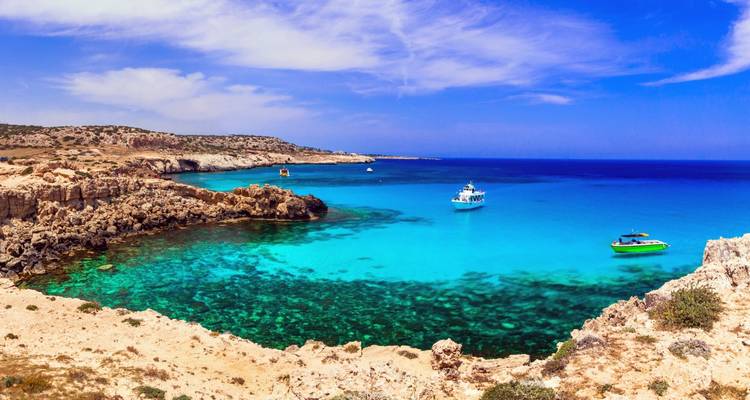
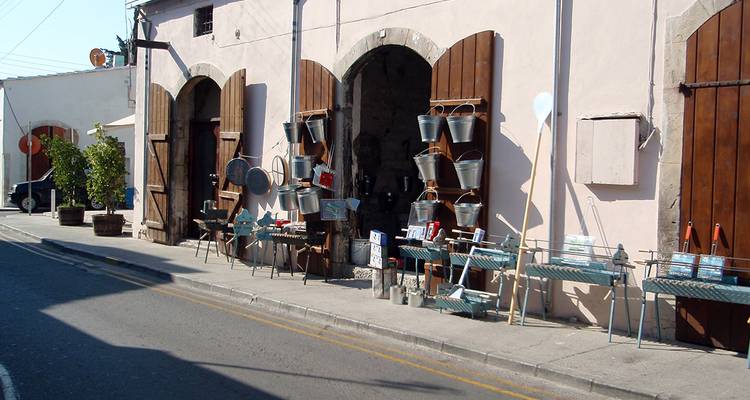
Cyprus Coast

Discover Cyprus

A Mediterranean island blending historic sites, vibrant cities, and beautiful beaches.

5 Tours
6 Guides
20 Cities
payments

Currency

Euro (EUR)

translate

Language

Greek, Turkish

groups

Population

≈1.2 million

passport

Visa

Visa‑free for many nationals up to 90 days; others may need a visa

security

Safety

Considered safe for tourists

savings

Travel Cost

Moderate – average daily budget $80‑$120

wb_sunny

Best Visit

April‑June & September‑October

Cyprus at a glance

Cyprus is a Mediterranean island where ancient history meets modern leisure. Its 20 cities, including Nicosia, Limassol, Larnaca, and Paphos, offer a mix of cultural landmarks, vibrant nightlife, and coastal charm. The island enjoys a mild climate, a Euro‑based economy, and a reputation for safety, making it a reliable choice for international travelers.

Cyprus view Cyprus view

Map View

Explore Cyprus on the map

Centered on the country’s main cities and scaled to keep the full destination in view.

place 20 Attractions public Google Maps style
search
Search area
Cyprus
Country location
Cyprus
Centred from 20 city points.
open_in_new Open in Google Maps

Cyprus travel overview

The country suits a range of trips: cultural tours explore UNESCO sites and historic towns, while beach holidays take advantage of the clear waters along the southern coast. Families appreciate the moderate travel costs and safe environment, and outdoor enthusiasts can hike the Troodos mountains or enjoy water sports during the pleasant spring and autumn months.

Cyprus view Cyprus view

Essential Travel Tips

Book Early

Popular routes and hotels fill quickly in peak season.

Mix Transport

Use trains between cities and local transit inside centers.

Stay Central

Base yourself near a walkable area to save time.

Cash Ready

Some small vendors still prefer cash for smaller purchases.

Pack Smart

Comfortable shoes matter more than anything else.

Frequently Asked Questions

What is the best time of year to visit Cyprus? expand_more
The most pleasant periods are spring (April to June) and autumn (September to October). During these months the weather is warm but not overly hot, making it ideal for sightseeing, beach activities, and outdoor excursions.
How many days should I allocate to see the main cities of Cyprus? expand_more
A typical itinerary of 7 to 10 days allows enough time to explore the capital Nicosia, the coastal hubs of Limassol and Larnaca, and the historic sites in Paphos, while also fitting in a day trip to the Troodos mountains or a beach day.
Do I need a visa to travel to Cyprus as a US, UK, or EU citizen? expand_more
US, UK, and EU citizens can enter Cyprus visa‑free for up to 90 days within a 180‑day period. Travelers from other countries should check the specific visa requirements well before departure.
What passport validity is required for entry into Cyprus? expand_more
Visitors should have a passport that remains valid for at least three months beyond the intended departure date. This is a common requirement for most international travelers entering the Schengen‑related area.
What is the average daily budget for a mid‑range traveler in Cyprus? expand_more
A moderate budget of roughly $80 to $120 per day covers accommodation in a 3‑star hotel, meals at local restaurants, public transport, and entrance fees to major attractions. Costs can vary depending on season and personal preferences.
Which currency is used in Cyprus and can I rely on credit cards? expand_more
Cyprus uses the Euro (EUR). Credit and debit cards are widely accepted in hotels, restaurants, and larger shops, especially in the main cities and tourist areas. It is still advisable to carry some cash for smaller establishments.
Which Cypriot cities are best for cultural attractions? expand_more
Nicosia offers museums and historic streets, while Paphos hosts UNESCO sites such as the Tombs of the Kings and ancient mosaics. Limassol features a medieval castle and vibrant arts venues, making these cities top choices for cultural exploration.
Where are the most popular beaches in Cyprus located? expand_more
The southern coast around Limassol, the resort area of Ayia Napa, and the western shoreline near Paphos provide the island’s most frequented sandy beaches, known for clear waters and well‑maintained facilities.
What historic sites should I not miss when visiting Cyprus? expand_more
Key historic sites include the ancient city of Kourion, the Tombs of the Kings in Paphos, the Venetian walls of Famagusta, and the Byzantine churches scattered across the island, many of which are UNESCO World Heritage listings.
What outdoor activities are popular in Cyprus? expand_more
Visitors often hike the Troodos mountain range, explore nature trails, and enjoy water sports such as snorkeling, windsurfing, and kayaking along the coast. The varied terrain supports both mountain and marine recreation.