


Discover Famagusta, Cyprus
A historic coastal city blending ancient walls with sandy beaches.
24°C / 75°F
Sunny in Famagusta
Peak Season
High visitor demand
Famagusta at a glance
Famagusta sits on the eastern coast of Cyprus and is known for its well‑preserved Venetian walls, medieval architecture and long stretches of shoreline. With a population of roughly 45,000 residents, the city offers a mix of cultural heritage and seaside relaxation, making it a distinct destination within the island’s Mediterranean setting.


Things to Do in Famagusta
Curated experiences led by local experts.
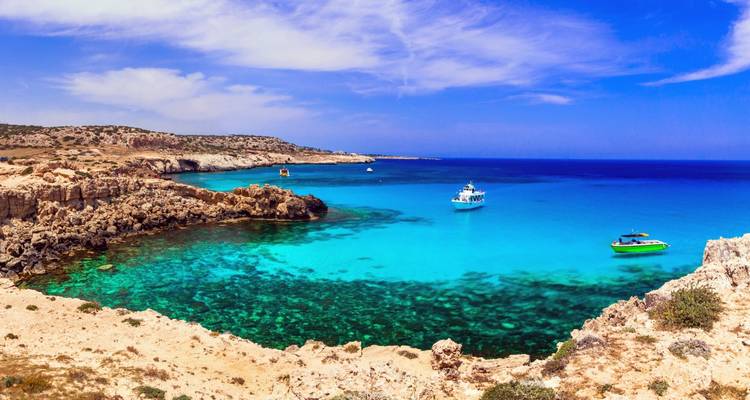
The Treasures of Cyprus
8 Days • Experience
From EUR1,210

Explore Cyprus 8 Days, Self-drive
8 Days • Experience
From EUR812

Contrasts of Cyprus Walking
8 Days • Experience
From EUR1,070
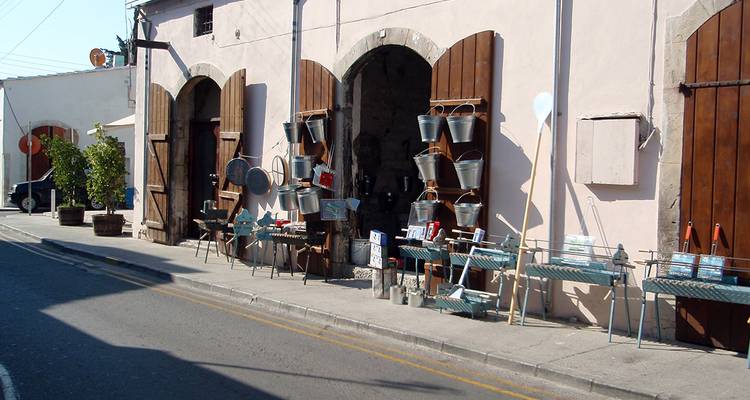
Get to Know Cyprus
8 Days • Experience
From EUR1,404
Map View
Explore Famagusta on the map
Famagusta
The map is centred on Famagusta.
Why travel to Famagusta?
Famagusta is ideal for travelers seeking a blend of history and beach leisure. The city’s fortified old town appeals to culture‑focused visitors, while its nearby beaches attract sun‑seekers. Families, couples and solo adventurers can enjoy archaeological sites, local cuisine and relaxed waterfront promenades, especially during the mild spring and autumn months.
Famagusta travel blogs
Stories and guides connected to Famagusta and the surrounding destination.

What should you know before visiting Cyprus? – Complete Country Guide
You should know the visa entry rules, the optimal travel months, transport options, typical cost ranges and basic local...
Is Cyprus safe for travellers? What you need to know
Yes, Cyprus is generally safe for travellers. Crime rates are low, medical services meet European standards, and road co...
What are the hidden gems of Cyprus? A guide to secret spots
Cyprus hides a network of quiet coves, stone villages, and forest trails that most tourists miss. You can explore at lea...
What is a good itinerary for Cyprus? A 7‑Day Travel Plan
A solid 7‑day itinerary lets you sample Cyprus’s highlights without feeling rushed. Spend two days in the historic south...
What is the Best Time to Visit Cyprus? A Complete Seasonal Guide
The best time to visit Cyprus is from late May through early October. During these months the island enjoys high tempera...
How many days are enough to visit Cyprus? Your complete guide
You can comfortably explore Cyprus in 5 to 7 days. This timeframe lets you visit the island’s key historic towns, coasta...
More in Cyprus
Browse more city pages across Cyprus.


