 Lilshira


Discover Limón, Costa Rica
A vibrant Caribbean city known for its port, beaches, and Afro‑Caribbean culture.
24°C / 75°F
Sunny in Limón
Peak Season
High visitor demand
Limón at a glance
Limón sits on Costa Rica’s Caribbean coast and serves as the nation’s main Atlantic port. The city blends tropical scenery with a rich Afro‑Caribbean heritage, offering colorful festivals, lively markets, and easy access to nearby rainforests and coastal wetlands. Its strategic location makes it a gateway for travelers seeking both cultural experiences and natural adventures.

Things to Do in Limón
Curated experiences led by local experts.

Costa Rica Mountain & Volcano Adventure – 7‑Day Active Tour
7 Days • Experience
From EUR637
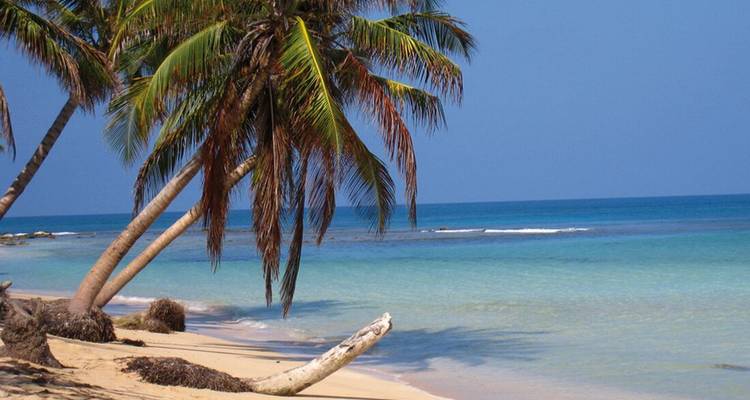
Costa Rica: Hike, Bike & Raft
8 Days • Experience
From EUR1,074

Costa Rica: Explore Tortuguero – 3 Days Of Pure Tropical Magic
3 Days • Experience
From EUR566
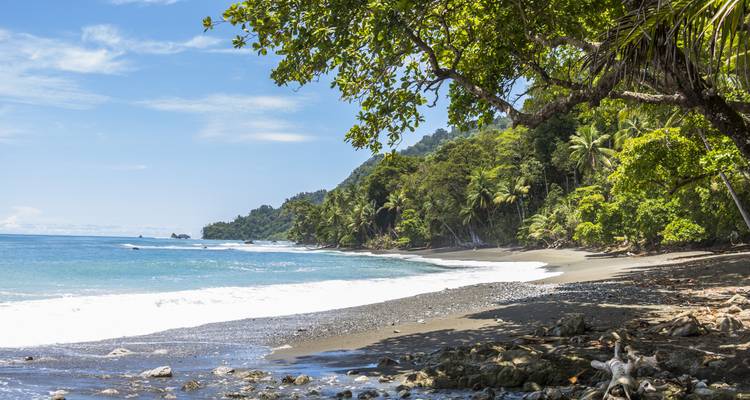
Costa Rica: A World of Nature featuring Tortuguero National Park, Arenal Volcano & Manuel Antonio National Park (2027)
12 Days • Experience
From EUR3,595
Map View
Explore Limón on the map
Limón
The map is centred on Limón.
Why travel to Limón?
Limón is ideal for eco‑tourists, beach lovers, and cultural explorers. Visitors can base themselves here to explore Tortuguero National Park’s wildlife, relax on black‑sand beaches, or immerse in local music and cuisine. The city’s warm climate and laid‑back vibe suit families, solo adventurers, and groups looking for authentic Caribbean‑flavored experiences within Costa Rica.
Limón travel blogs
Stories and guides connected to Limón and the surrounding destination.
What Should You Know Before Visiting Costa Rica – A Complete Country Guide
Before you set foot in Costa Rica, know that a two‑to‑three‑week itinerary lets you sample the country's diverse ecosyst...
What are the hidden gems of Costa Rica? A guide to secret spots
Costa Rica’s hidden gems are the cloud‑forest reserve of Los Quetzales, the remote beach of Playa Ventanas, the turquois...
Is Costa Rica safe for travellers? A practical safety overview
Yes, Costa Rica is generally safe for travellers, especially in popular tourist zones and national parks. Most visitors...
What is a good itinerary for Costa Rica? A 10‑Day Adventure
A good itinerary for Costa Rica is a 10‑day loop that begins in San José, spends two nights at Arenal Volcano for hot sp...
What is the Best Time to Visit Costa Rica? Find Out
The best time to visit Costa Rica is during the mid‑dry season, roughly mid‑December through April. This period delivers...
How many days are enough to visit Costa Rica?
For most first‑time visitors, 10 – 12 days is enough to experience Costa Rica’s highlights. This timeframe lets you comb...
More in Costa Rica
Browse more city pages across Costa Rica.