Costa Rica Coast

Discover Costa Rica

Essential facts for a safe and enjoyable visit to Costa Rica.

19 Tours
6 Guides
20 Cities
payments

Currency

Costa Rican colón (CRC)

translate

Language

Spanish

groups

Population

about 5 million

passport

Visa

Visa‑free for many nationalities up to 90 days; others need a tourist visa

security

Safety

Generally safe for visitors; use usual precautions against petty crime

savings

Travel Cost

Moderate; accommodation and meals are mid‑range

wb_sunny

Best Visit

Dry season December to April

Costa Rica at a glance

Costa Rica, a Central American nation with roughly five million residents, uses the Costa Rican colón and Spanish as its official language. Its tropical climate offers a dry season from December to April and a rainy season the rest of the year. Popular destinations include San José, Liberia, Alajuela and coastal cities such as Puntarenas, providing diverse cultural and natural experiences for travelers.

Costa Rica view Costa Rica view

Map View

Explore Costa Rica on the map

Centered on the country’s main cities and scaled to keep the full destination in view.

place 20 Attractions public Google Maps style
search
Search area
Costa Rica
Country location
Costa Rica
Centred from 20 city points.
open_in_new Open in Google Maps

Costa Rica travel overview

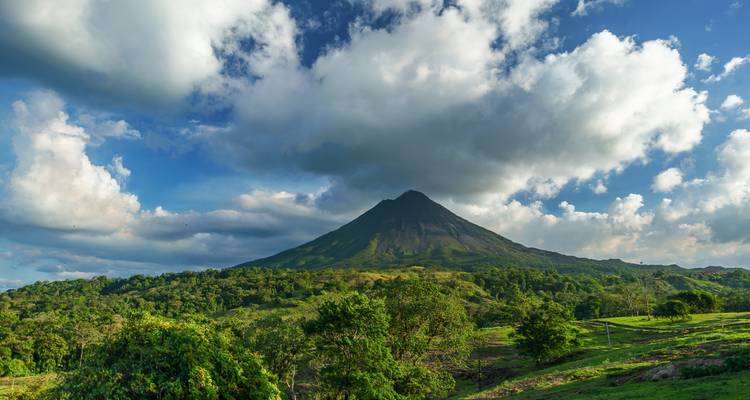
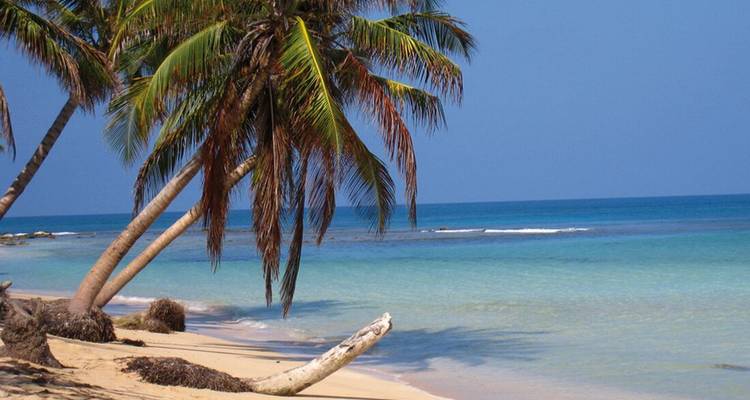
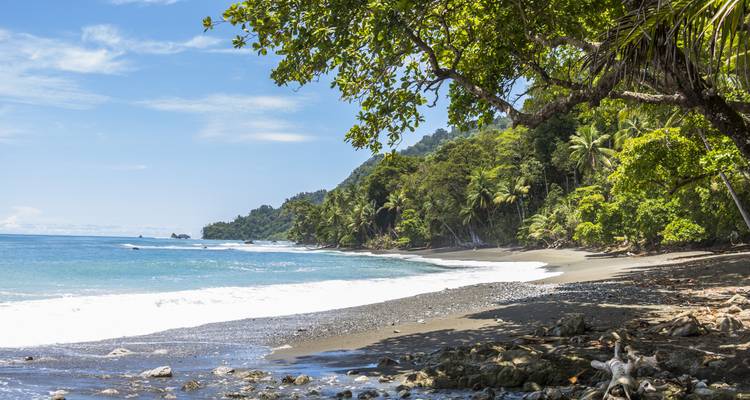
The country is well suited for active and nature‑focused trips, especially during the dry months when weather supports hiking, volcano tours and wildlife spotting. Visitors can explore mountain ranges, volcanic landscapes and coastal rainforests, making it ideal for adventure itineraries that combine outdoor activities with visits to major cities and beach towns.

Costa Rica view Costa Rica view

Essential Travel Tips

Book Early

Popular routes and hotels fill quickly in peak season.

Mix Transport

Use trains between cities and local transit inside centers.

Stay Central

Base yourself near a walkable area to save time.

Cash Ready

Some small vendors still prefer cash for smaller purchases.

Pack Smart

Comfortable shoes matter more than anything else.

Frequently Asked Questions

What is the official language spoken in Costa Rica? expand_more
Spanish is the official language of Costa Rica and is used in government, education and daily communication. English is spoken in many tourist areas, but travelers should expect signage and services primarily in Spanish.
Which currency is used in Costa Rica and where can I exchange it? expand_more
Costa Rica uses the Costa Rican colón (CRC). Currency exchange services are available at banks, major hotels, airports and authorized exchange bureaus in cities such as San José and Liberia. Credit cards are widely accepted in tourist zones.
How many people live in Costa Rica? expand_more
Costa Rica has an estimated population of about five million people. The population is concentrated around the Central Valley, including the capital San José, while coastal and rural areas have lower densities.
Do I need a visa to travel to Costa Rica? expand_more
Travelers from many countries can enter Costa Rica visa‑free for up to 90 days. Citizens of nations that require a visa must obtain a tourist visa before arrival. Visitors should verify the specific requirement for their nationality with a Costa Rican consulate.
How safe is Costa Rica for tourists? expand_more
Costa Rica is generally safe for tourists, with low rates of violent crime. Petty theft such as pickpocketing can occur, especially in crowded areas and tourist hotspots. Practicing standard safety measures—keeping valuables secure and staying aware of surroundings—helps mitigate risk.
When is the best time of year to visit Costa Rica? expand_more
The optimal period for most visitors is the dry season, which runs from December through April. During these months rainfall is limited, road conditions are good and outdoor activities like hiking and beach visits are more reliable.
What climate can I expect during a visit? expand_more
Costa Rica has a tropical climate with regional variations. The Pacific side and Central Valley experience a distinct dry season (December‑April) and a rainy season (May‑November). The Caribbean side receives more consistent rainfall year‑round, creating lush, humid conditions.
What are the major cities to consider when planning my itinerary? expand_more
Key cities include the capital San José, Liberia in the northwest, Alajuela near the airport, coastal Puntarenas, and Limón on the Caribbean coast. Smaller municipalities such as Paraíso, Curridabat and San Isidro also offer local culture and convenient access to nearby attractions.
What types of tours are popular in Costa Rica? expand_more
Adventure and nature tours dominate, with multi‑day mountain and volcano itineraries, rainforest hikes, wildlife spotting, and coastal excursions. The “Costa Rica Mountain & Volcano Adventure – 7‑Day Active Tour” is an example of a widely offered package.
How can I get around between cities in Costa Rica? expand_more
Inter‑city travel is commonly done by bus, which connects most major towns and cities. Private shuttles, rental cars and domestic flights are also options, especially for reaching remote areas or saving time during a tight itinerary.