 Lilshira


Discover Milan
Italy’s vibrant fashion and design hub awaits.
24°C / 75°F
Sunny in Milan
Peak Season
High visitor demand
Milan at a glance
Milan is a major Italian metropolis with an estimated population of around 1.4 million residents. The city is renowned for its strong focus on fashion, design, food, art, and architecture. Its climate features cold winters and hot, humid summers with moderate rainfall, making the milder months of spring and autumn especially pleasant for visitors.

Things to Do in Milan
Curated experiences led by local experts.
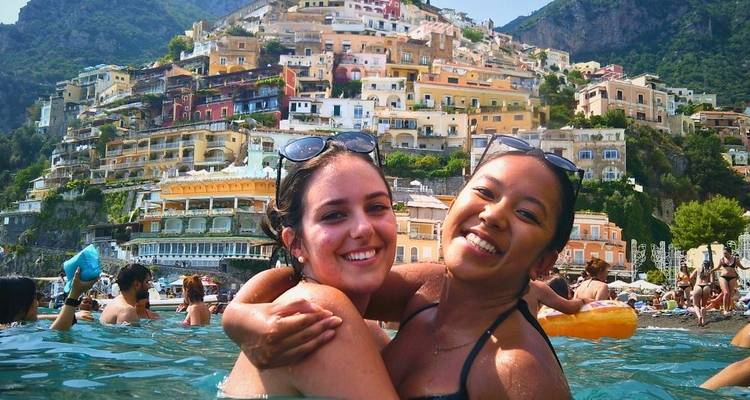
Amalfi Coast 4‑Day Small‑Group Adventure for Ages 18‑41
4 Days • Experience
From EUR750

Mamma Mia! 13‑Day Italian Adventure for Young Travelers
13 Days • Experience
From USD3,650

Rome, Sorrento and the Amalfi Coast
8 Days • Experience
From EUR2,471
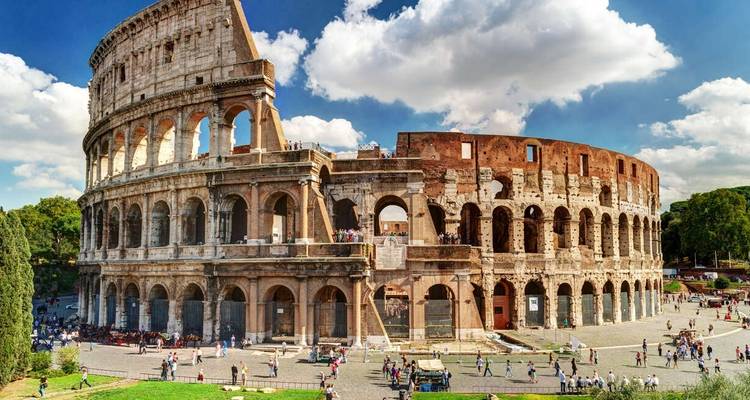
Venice to Rome by Rail + Sorrento and the Amalfi Coast
14 Days • Experience
From EUR5,048
Map View
Explore Milan on the map
Milan
The map is centred on Milan.
Why travel to Milan?
Milan suits a range of trip types, from fashion‑focused shopping excursions and design‑oriented tours to culinary explorations and cultural sightseeing. Business travelers also appreciate its status as an economic centre, while art lovers can enjoy its rich museum scene. The city’s blend of creative industries and historic sites makes it adaptable to both short city breaks and longer stays.
Milan travel blogs
Stories and guides connected to Milan and the surrounding destination.
Is Italy safe for travellers? Essential safety overview
Yes, Italy is considered safe for most travellers. Violent crime rates are low, and public transport and tourist sites h...
What Should You Know Before Visiting Italy – A Complete Country Guide
Before you set foot in Italy, know that a Schengen visa (or visa‑free entry for many nationals) is required, the climate...
What are the hidden gems of Italy? A guide to secret spots
Italy’s hidden gems are the lesser‑known towns, valleys, and coastal villages that offer authentic culture without the c...
What is a good itinerary for Italy? A Classic 10‑Day Route
A solid Italy itinerary spans ten days, linking Rome, Florence, Venice and the Amalfi Coast. Ten days lets you explore e...
What is the Best Time to Visit Italy? A Complete Seasonal Overview
The best time to visit Italy is late spring (mid‑May to early June) and early autumn (late September to mid‑October). Th...
How many days are enough to visit Italy? Find the perfect length
Ten to fourteen days is generally enough to explore Italy’s major highlights without feeling rushed. This range lets you...
More in Italy
Browse more city pages across Italy.