 Lilshira


Explore Nagoya
Japan’s dynamic hub blends industry, history, and culture.
24°C / 75°F
Sunny in Nagoya
Peak Season
High visitor demand
Nagoya at a glance
Nagoya, located in central Japan, is a major economic and cultural center known for its blend of modern industry and historic landmarks. As one of the country’s largest cities, it offers a distinctive mix of skyscrapers, traditional shrines, and a reputation for automotive innovation, making it a noteworthy destination for both domestic and international travelers.

Things to Do in Nagoya
Curated experiences led by local experts.
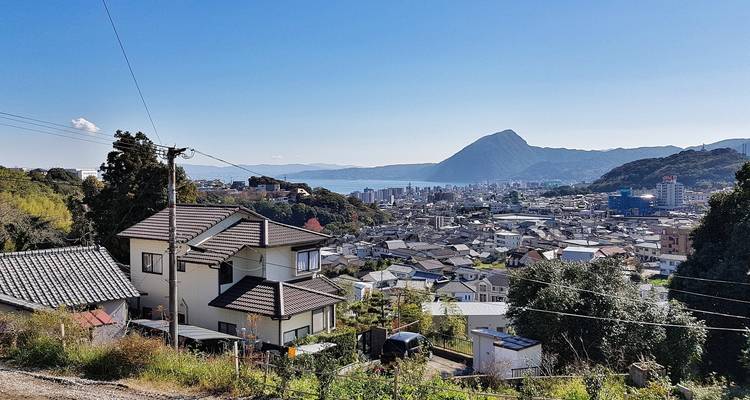
Kyushsu Half Island Express Tour
8 Days • Experience
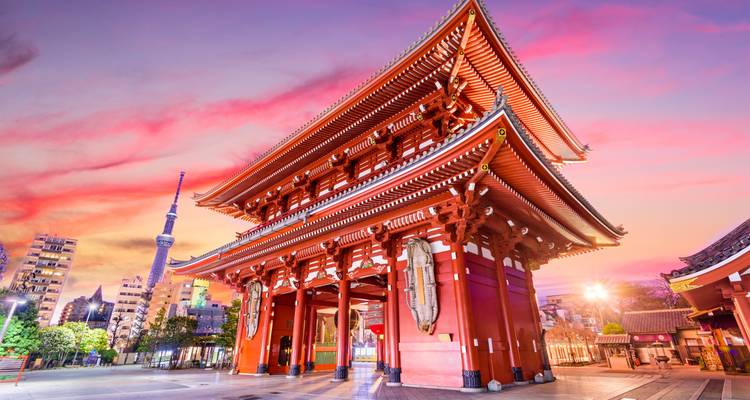
Highlights of Japan & Taiwan
15 Days • Experience
From EUR3,751
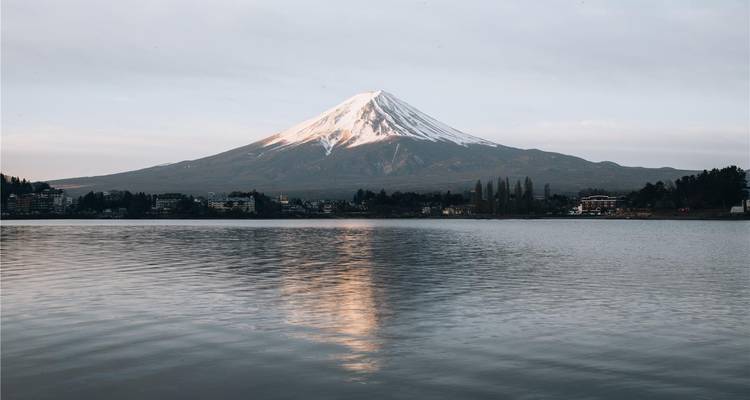
Spirit of Japan 14D/13N
14 Days • Experience
From EUR3,851

【Japan】9 Days Japan Golden Tour Package WITH OISHI PARK
9 Days • Experience
From EUR2,498
Map View
Explore Nagoya on the map
Nagoya
The map is centred on Nagoya.
Why travel to Nagoya?
The city suits a range of trips, from business travelers attending conferences in its extensive convention facilities to cultural tourists exploring historic castles and museums. Families appreciate the interactive science museum and parks, while food enthusiasts enjoy regional specialties. Its convenient transport links also make Nagoya a practical base for day trips to surrounding attractions.
Nagoya travel blogs
Stories and guides connected to Nagoya and the surrounding destination.
What Should You Know Before Visiting Japan? Complete Country Guide
You should know that Japan shines brightest in spring and autumn, offers a flexible travel window of 7‑14 days, and work...
What are the hidden gems of Japan? A guide to secret spots
Japan’s hidden gems are scattered across its islands, from remote mountain villages to secluded coastal bays. You can ex...
Is Japan Safe for Travellers? What You Need to Know
Yes, Japan is considered very safe for travellers. Crime rates are among the lowest of any industrialised nation, and pu...
What is a good itinerary for Japan? A 10‑14‑day classic route
A good itinerary for Japan blends iconic cities, cultural heritage, and natural scenery over 10‑14 days. Most travelers...
What is the best time to visit Japan? A complete seasonal guide
The best time to visit Japan is spring (late March to early May) and autumn (mid‑October to early November). These windo...
How many days are enough to visit Japan? Find the right length
A ten‑day itinerary hits the sweet spot for most first‑time visitors to Japan. It allows two major cities—Tokyo and Kyot...
More in Japan
Browse more city pages across Japan.
