Japan Coast

Japan

Discover Japan’s blend of modern cities and timeless culture.

131 Tours
6 Guides
5 Cities
payments

Currency

Japanese yen (JPY)

translate

Language

Japanese

groups

Population

Approximately 125 million

passport

Visa

Visa‑free for many nationalities up to 90 days; others need a tourist visa

security

Safety

Low crime rates and generally safe for visitors

savings

Travel Cost

Moderate to high, with budget options available

wb_sunny

Best Visit

Spring (Mar‑May) and Autumn (Sep‑Nov)

Japan at a glance

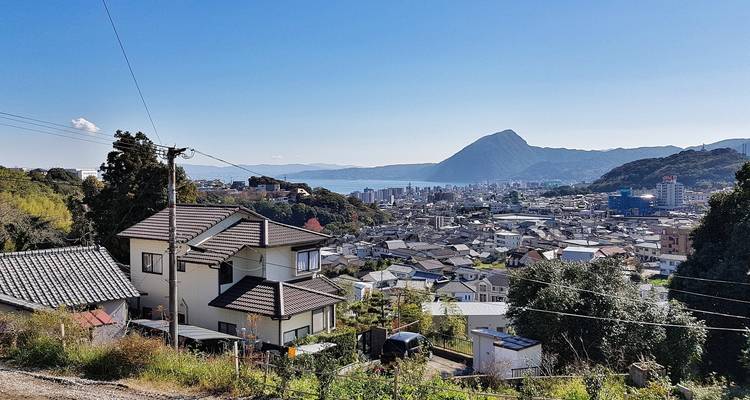
Japan offers a unique mix of ultra‑modern metropolises and centuries‑old traditions. Visitors can explore bustling hubs such as Tokyo, Osaka, Kyoto, and Sapporo, while also experiencing historic sites, seasonal landscapes, and a temperate climate that shifts from hot, humid summers to cool winters. The country’s low crime rates and reliable infrastructure make it a comfortable destination for travelers seeking both cultural depth and urban excitement.

Japan view Japan view

Map View

Explore Japan on the map

Centered on the country’s main cities and scaled to keep the full destination in view.

place 5 Attractions public Google Maps style
search
Search area
Japan
Country location
Japan
Centred from 5 city points.
open_in_new Open in Google Maps

Japan travel overview

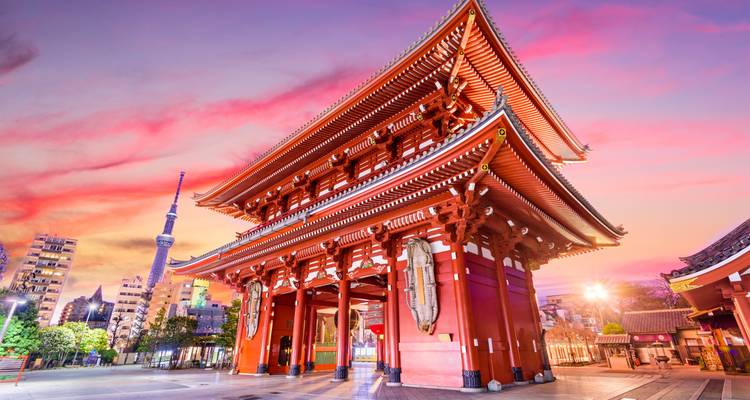
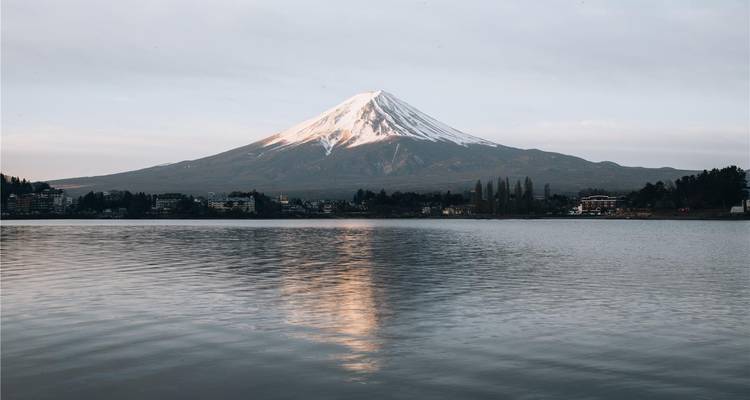
Japan is well suited for cultural itineraries that combine temple visits, traditional festivals, and modern design, as well as nature‑focused trips during cherry‑blossom season or autumn foliage. The extensive high‑speed rail network links major cities, allowing flexible schedules for short‑term city hops or longer stays in regional areas. Whether you prefer culinary tours, historic walks, or outdoor adventures, the country’s diverse attractions cater to a wide range of travel styles.

Japan view Japan view

Cities in Japan

Explore the main cities in Japan and open each one for more local details.

Essential Travel Tips

Book Early

Popular routes and hotels fill quickly in peak season.

Mix Transport

Use trains between cities and local transit inside centers.

Stay Central

Base yourself near a walkable area to save time.

Cash Ready

Some small vendors still prefer cash for smaller purchases.

Pack Smart

Comfortable shoes matter more than anything else.

Frequently Asked Questions

What is the best time of year to visit Japan? expand_more
The most favorable periods are spring (March to May) when cherry blossoms bloom and autumn (September to November) when foliage turns vibrant. These seasons offer comfortable temperatures, clear skies, and cultural events that highlight Japan’s natural beauty.
Do I need a visa to travel to Japan as a tourist? expand_more
Many nationalities can enter Japan visa‑free for tourism stays of up to 90 days. Travelers from countries without a visa‑free agreement must obtain a short‑term tourist visa before arrival. Always check the latest requirements based on your passport.
What language is spoken in Japan and will I need translation? expand_more
Japanese is the official language. English signage is common in major tourist areas, airports, and train stations, but rural regions may have limited English. A translation app or a few basic Japanese phrases can be helpful for smoother interactions.
What is the local currency and how can I handle money while traveling? expand_more
Japan uses the Japanese yen (JPY). Cash is widely accepted, especially in smaller shops and rural eateries. ATMs that accept foreign cards are available at convenience stores and post offices. Credit cards are accepted in most hotels and larger retailers.
How safe is Japan for solo travelers and families? expand_more
Japan ranks among the safest countries worldwide, with low crime rates and well‑maintained public spaces. Solo travelers and families benefit from reliable public transport, clear signage, and courteous local services, making it a comfortable destination for all ages.
How much should I budget per day for meals, transport and accommodation? expand_more
A moderate daily budget ranges from ¥10,000 to ¥20,000 (approximately $70‑$140) covering a mid‑range hotel, meals at local restaurants, and public transport. Budget travelers can reduce costs by staying in hostels, using convenience‑store meals, and purchasing rail passes.
Which Japanese cities are most popular for first‑time visitors? expand_more
Tokyo, Osaka, Kyoto, and Yokohama are the primary gateways for newcomers. Tokyo offers a blend of skyscrapers and historic districts, Osaka provides vibrant street food culture, Kyoto showcases temples and gardens, and Yokohama adds a waterfront experience.
What types of trips are most suitable for Japan – cultural, nature, city? expand_more
Japan accommodates all three: cultural tours explore temples, shrines, and festivals; nature trips focus on cherry blossoms, autumn foliage, and mountain hikes; city itineraries highlight cutting‑edge technology, shopping, and nightlife. Travelers can combine elements for a balanced itinerary.
What transportation options connect Tokyo, Osaka and Kyoto? expand_more
The Shinkansen (bullet train) links Tokyo, Osaka and Kyoto in 2‑3 hours, offering frequent, punctual service. Low‑cost airlines also operate between these hubs, and highway buses provide an economical alternative for budget travelers.
How can I use public transport within Tokyo? expand_more
Tokyo’s subway and rail network is extensive and integrated with a contactless IC card (Suica or Pasmo). The cards can be topped up at stations and used on trains, buses, and vending machines, simplifying travel across the city.