 Lilshira


Explore Novi Sad, Serbia
Discover the culture, festivals and riverfront charm of Serbia’s second‑largest city.
24°C / 75°F
Sunny in Novi Sad
Peak Season
High visitor demand
Novi Sad at a glance
Novi Sad, with an estimated population of around 250,000, sits on the banks of the Danube in northern Serbia. The city enjoys a continental climate, offering warm summers and cold winters. Known for its historic Petrovaradin Fortress, vibrant arts scene and the annual EXIT music festival, Novi Sad stands out as a cultural hub that blends heritage with contemporary energy.

Things to Do in Novi Sad
Curated experiences led by local experts.
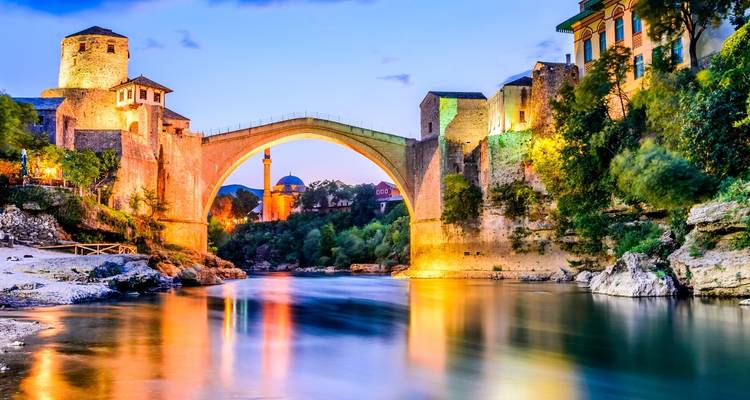
The Balkans Revealed: Serbia, Croatia, Montenegro & Bosnia and Herzegovina – 10 Days
10 Days • Experience
From EUR2,115
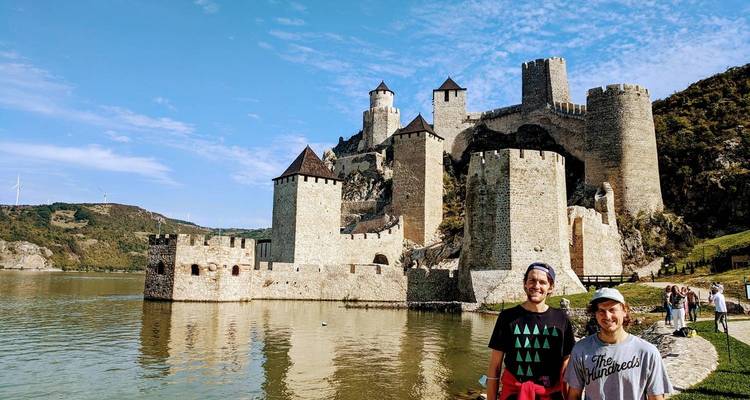
Highlights of Serbia – 5 Days
5 Days • Experience
From EUR580
The Balkans Revealed: Serbia, Croatia, Montenegro & Bosnia and Herzegovina – 10 Days
10 Days • Experience
From EUR2,115
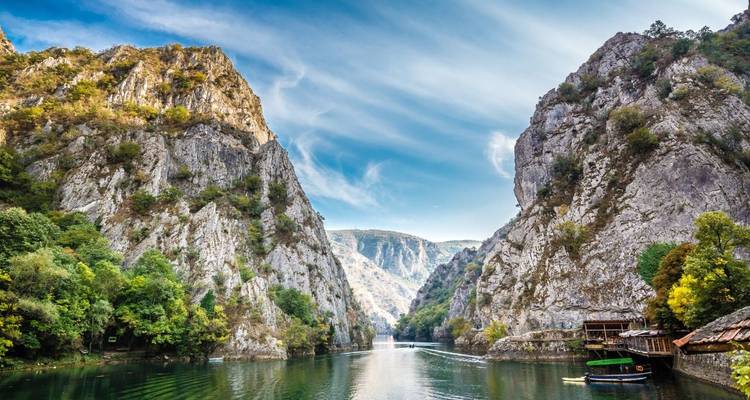
Balkan Express: Serbia, Bulgaria, North Macedonia & Albania – 7 Days
8 Days • Experience
From EUR1,355
Map View
Explore Novi Sad on the map
Novi Sad
The map is centred on Novi Sad.
Why travel to Novi Sad?
The city is well suited for cultural and music‑focused trips, especially during the late‑spring to early‑autumn months when festivals and outdoor events are active. Visitors interested in river scenery, historic architecture, and regional cuisine also find Novi Sad an appealing base for day trips to nearby attractions such as Fruska Gora National Park.
Novi Sad travel blogs
Stories and guides connected to Novi Sad and the surrounding destination.
What should you know before visiting Serbia? A practical country guide
Serbia welcomes visitors with a blend of historic sites, lively cities and easy logistics; you’ll need a valid passport,...
What are the hidden gems of Serbia? Uncover the country’s secret treasures
Serbia’s hidden gems include the medieval town of Smederevo, the untouched Uvac Canyon with its meandering river, the wi...
Is Serbia Safe for Travellers? A Complete Safety Overview
Yes, Serbia is safe for travellers, with low violent crime rates and a friendly atmosphere in most urban and rural areas...
What is a good itinerary for Serbia? A 7‑Day Travel Plan
A well‑balanced 7‑day itinerary lets you experience Serbia’s vibrant capital, historic towns, UNESCO monasteries and stu...
What is the best time to visit Serbia? Find the ideal months for your trip
The best time to visit Serbia is late spring (May‑June) and early autumn (September‑October). During these periods tempe...
How many days are enough to visit Serbia? Your guide to the ideal trip length
A week is generally enough to experience Serbia’s highlights without rushing. Most travelers find eight to ten days allo...
More in Serbia
Browse more city pages across Serbia.