 Lilshira


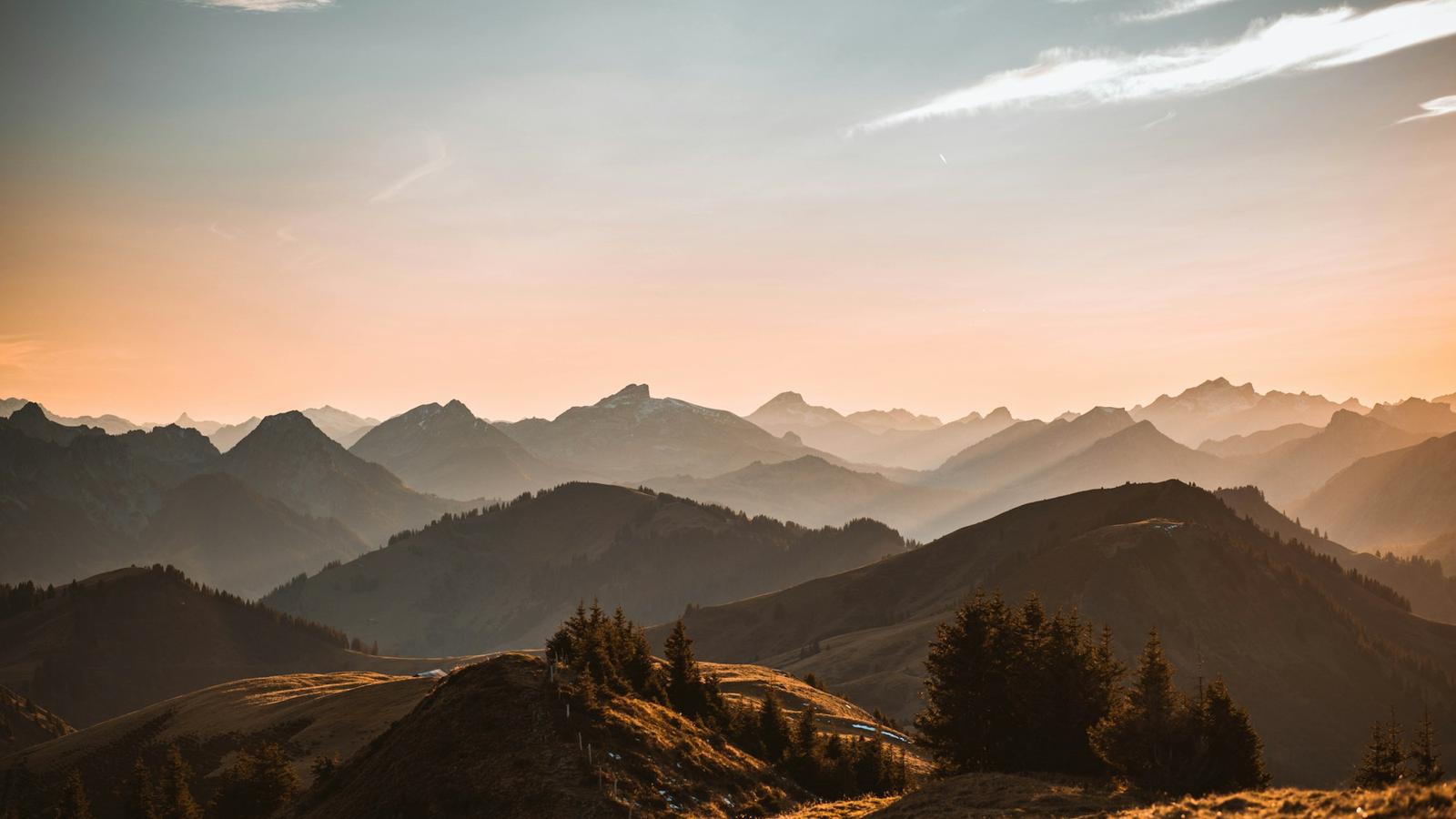
Explore Serbia
Discover Serbia’s vibrant cities, rich culture, and welcoming atmosphere.
Currency
Serbian dinar (RSD)
Language
Serbian
Population
≈ 6.9 million
Visa
Visa‑free for many countries up to 90 days; others need a visa
Safety
Generally safe for tourists; standard precautions advised
Travel Cost
Moderate, lower than Western Europe
Best Visit
May – September (spring to early autumn)
Serbia at a glance
Serbia, located in the heart of the Balkans, offers a blend of historic architecture, lively street life, and diverse landscapes. With 20 cities to explore, highlights include the capital Belgrade, the cultural hub Novi Sad, and the historic towns of Niš and Subotica. Visitors enjoy a continental climate, a welcoming population, and affordable travel costs, making the country an attractive destination for curious travelers.
Tours & Activities
Curated experiences led by local experts.
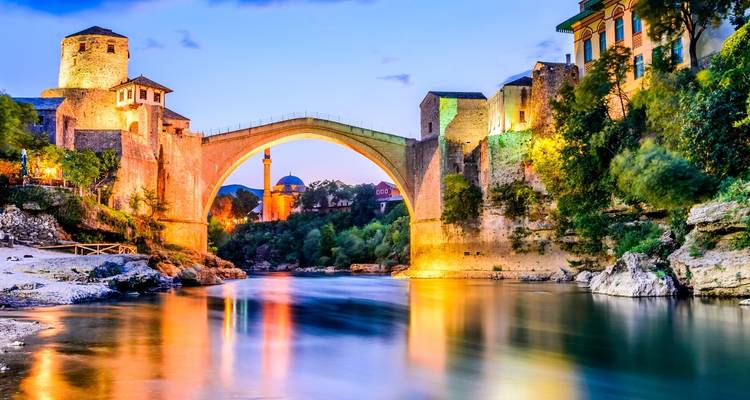
The Balkans Revealed: Serbia, Croatia, Montenegro & Bosnia and Herzegovina – 10 Days
10 Days • Curated activity
From $2,115
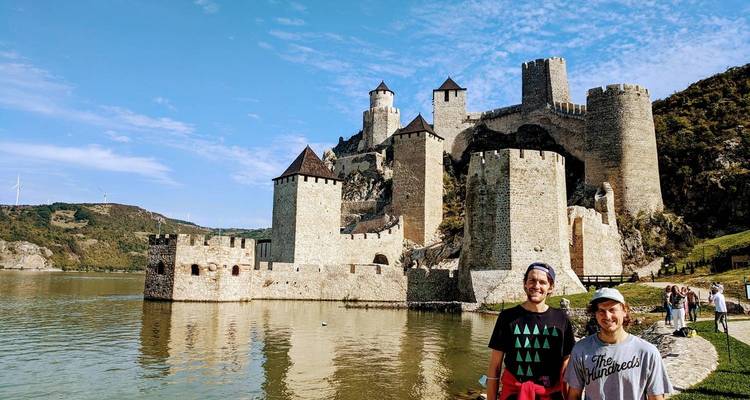
Highlights of Serbia – 5 Days
5 Days • Curated activity
From $580
The Balkans Revealed: Serbia, Croatia, Montenegro & Bosnia and Herzegovina – 10 Days
10 Days • Curated activity
From $2,115
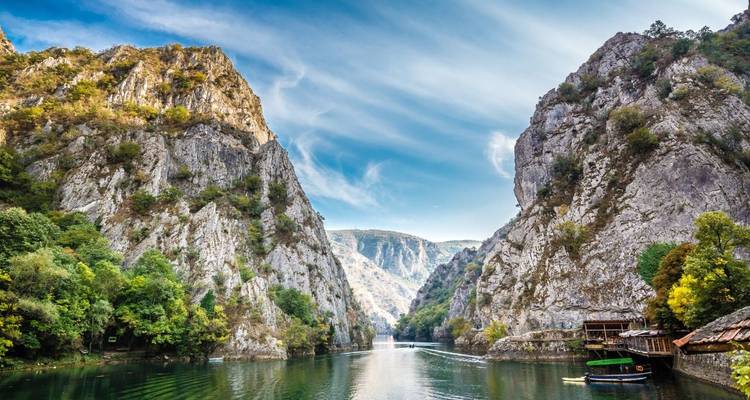
Balkan Express: Serbia, Bulgaria, North Macedonia & Albania – 7 Days
8 Days • Curated activity
From $1,355
Map View
Explore Serbia on the map
Centered on the country’s main cities and scaled to keep the full destination in view.
Serbia travel overview
Serbia suits a range of trips, from city‑focused cultural tours that showcase museums, festivals, and cuisine, to outdoor adventures in its rolling hills and river valleys. The May‑September window provides pleasant weather for exploring urban sites and countryside routes alike, while the moderate cost allows travelers to experience authentic Serbian hospitality without a high price tag.
Cities in Serbia
Explore the main cities in Serbia and open each one for more local details.
Essential Travel Tips
Book Early
Popular routes and hotels fill quickly in peak season.
Mix Transport
Use trains between cities and local transit inside centers.
Stay Central
Base yourself near a walkable area to save time.
Cash Ready
Some small vendors still prefer cash for smaller purchases.
Pack Smart
Comfortable shoes matter more than anything else.
Travel guides for Serbia
Practical answers for planning your trip to Serbia.