 Lilshira


Discover Pärnu, Estonia
A seaside city known for its beaches and cultural sites.
24°C / 75°F
Sunny in Pärnu
Peak Season
High visitor demand
Pärnu at a glance
Pärnu is a coastal city in southwestern Estonia, situated on the Pärnu River and the Baltic Sea. With an estimated population of around 40,000 residents, it offers a blend of seaside leisure and historic charm. The climate is maritime, providing mild summers and cold winters, which shapes the city’s seasonal activities and visitor experience.

Things to Do in Pärnu
Curated experiences led by local experts.

Best of Baltics (Classic, Winter)
8 Days • Experience
From EUR1,508
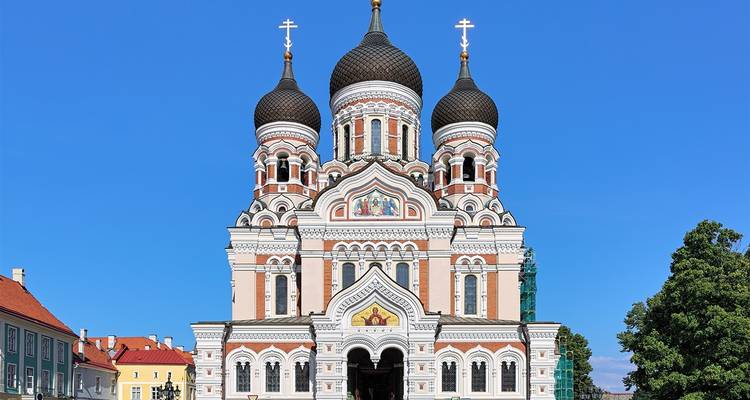
Christmas Markets in Tallinn - 4 days
4 Days • Experience
From EUR503
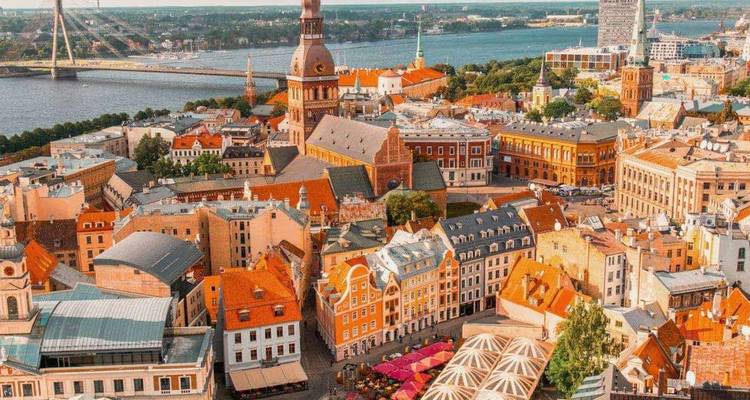
Best of Baltics (Classic, Summer)
8 Days • Experience
From EUR1,295

Capitals Journey of Lithuania, Latvia and Estonia
7 Days • Experience
From EUR854
Map View
Explore Pärnu on the map
Pärnu
The map is centred on Pärnu.
Why travel to Pärnu?
The city is well suited for beach holidays, wellness retreats, and cultural visits. Summer months bring warm weather ideal for the long sandy beach and promenade, while the spa facilities and museums cater to those seeking relaxation and insight into local heritage. Pärnu’s compact size makes it easy to explore on foot or by bicycle.
Pärnu travel blogs
Stories and guides connected to Pärnu and the surrounding destination.
What should you know before visiting Estonia? A concise guide
Estonia is a compact, tech‑savvy Baltic country where most first‑time visitors spend three to five days exploring mediev...
What are the hidden gems of Estonia? Explore off‑beat wonders
Estonia’s hidden gems are the quiet coastal village of Haapsalu, the misty bog trails of Soomaa National Park, the medie...
Is Estonia Safe for Travellers? What You Need to Know
Yes, Estonia is generally safe for travellers, with low crime rates and well‑maintained infrastructure. Most visitors ex...
What is a good itinerary for Estonia? A 7‑Day Highlights Plan
A well‑balanced 7‑day itinerary lets you experience Tallinn’s medieval charm, the coastal islands, and the forested coun...
What is the best time to visit Estonia? Your seasonal guide
The best time to visit Estonia is late spring to early autumn, especially May through September. This five‑month window...
How many days are enough to visit Estonia? Your optimal itinerary explained
Three to five days are enough to see Estonia’s main attractions, while a full week lets you explore the coast and island...
More in Estonia
Browse more city pages across Estonia.