Estonia Coast

Discover Estonia

Historic cities, modern comforts, and a safe, affordable travel experience await.

7 Tours
6 Guides
20 Cities
payments

Currency

Euro (EUR)

translate

Language

Estonian

groups

Population

About 1.3 million

passport

Visa

Schengen visa‑free for short stays (up to 90 days) for many nationalities

security

Safety

Generally safe with low crime rates

savings

Travel Cost

Moderate compared with Western Europe

wb_sunny

Best Visit

Late spring to early autumn (June‑September)

Estonia at a glance

Estonia, a Baltic nation with 20 cities including Tallinn, Tartu, Narva and Pärnu, offers a blend of medieval architecture and vibrant culture. Its compact size makes it easy to explore historic sites, museums and coastal scenery, while its digital infrastructure supports seamless travel.

Estonia view Estonia view

Map View

Explore Estonia on the map

Centered on the country’s main cities and scaled to keep the full destination in view.

place 20 Attractions public Google Maps style
search
Search area
Estonia
Country location
Estonia
Centred from 20 city points.
open_in_new Open in Google Maps

Estonia travel overview

The country suits cultural city breaks, history‑focused tours, and nature excursions. Visitors can spend days in Tallinn’s Old Town, explore university life in Tartu, enjoy seaside relaxation in Pärnu, or discover the border fortifications of Narva, making Estonia ideal for short to medium‑length trips.

Estonia view Estonia view

Essential Travel Tips

Book Early

Popular routes and hotels fill quickly in peak season.

Mix Transport

Use trains between cities and local transit inside centers.

Stay Central

Base yourself near a walkable area to save time.

Cash Ready

Some small vendors still prefer cash for smaller purchases.

Pack Smart

Comfortable shoes matter more than anything else.

Frequently Asked Questions

When is the best time to visit Estonia? expand_more
The optimal period to travel to Estonia is from late spring through early autumn, typically June to September. During these months the weather is mild, daylight hours are long, and many cultural events and outdoor activities are available, providing a pleasant experience for most visitors.
What visa is required for US citizens traveling to Estonia? expand_more
US citizens can enter Estonia without a visa for short stays of up to 90 days within a 180‑day period, as the country is part of the Schengen Area. Travelers must hold a passport valid for at least three months beyond their intended departure date and may be asked to show proof of onward travel and sufficient funds.
What is a typical daily travel budget in Estonia? expand_more
A moderate daily budget in Estonia ranges from €50 to €70 per person. This estimate covers accommodation in mid‑range hotels or guesthouses, three meals at average restaurants, local transportation, and entrance fees to major attractions. Costs can be lower with hostels and self‑catering or higher for premium experiences.
Which cities should I include in a short 5‑day itinerary? expand_more
For a balanced 5‑day itinerary, start with Tallinn to explore its medieval Old Town and museums, then travel to Tartu for university culture and historic sites. Add a day in Pärnu for beachside relaxation, and consider a half‑day visit to Narva to see its riverfront castle. This route offers city, culture and coastal highlights.
Are there safety concerns for solo travelers in Estonia? expand_more
Estonia is regarded as a safe destination with low crime rates, making it suitable for solo travelers. Common sense precautions such as securing personal belongings, avoiding poorly lit areas at night, and staying aware of local traffic rules are advisable, but incidents affecting tourists are rare.
What are the top attractions in Tallinn? expand_more
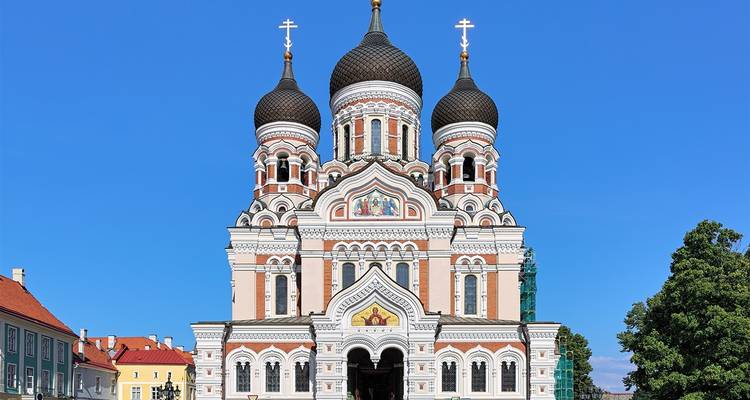
Tallinn’s main attractions include the UNESCO‑listed Old Town with cobblestone streets, Toompea Hill and its castle, Alexander Nevsky Cathedral, and the seaside promenade at Pirita. Visitors also enjoy Kadriorg Palace and its park, the modern Seaplane Harbour museum, and a vibrant café scene in the Rotermann district.
What cultural experiences are unique to Tartu? expand_more
Tartu is known as Estonia’s intellectual hub, home to the nation’s oldest university. Cultural highlights include the University of Tartu Museum, the historic Town Hall Square, the Estonian National Museum’s exhibitions on folklore, and the lively student festivals that showcase music, theatre and local cuisine throughout the year.
Which coastal city in Estonia is famous for its beaches? expand_more
Pärnu, located on the southwestern coast, is Estonia’s most popular beach resort. The city offers a long, sandy shoreline, spa facilities, and a laid‑back atmosphere that attracts both locals and tourists during the summer months. It is often referred to as the “Summer Capital” of Estonia.
What historic sites can be visited in Narva? expand_more
Narva, situated on the eastern border, features the well‑preserved Narva Castle (Hermann Castle) overlooking the Narva River, the historic Hermann Tower, and remnants of 17th‑century fortifications. The city’s museums and the nearby Narva River promenade provide insight into the region’s strategic past.
How can I travel between Tallinn and Tartu? expand_more
Travel between Tallinn and Tartu is convenient by train or bus, with services running several times daily. The train journey takes about two hours, while buses may be slightly faster. Car rentals are also available, offering flexibility to explore surrounding countryside, though parking in city centres should be planned in advance.