 Lilshira


Discover Pune
Pune blends heritage, education, and modern culture for an engaging Indian city experience.
24°C / 75°F
Sunny in Pune
Peak Season
High visitor demand
Pune at a glance
Pune, located in the western Indian state of Maharashtra, is a major hub for education, technology, and culture. The city’s blend of historic landmarks, such as forts and museums, alongside a growing contemporary scene makes it stand out as a dynamic destination for travelers seeking both tradition and modernity.

Things to Do in Pune
Curated experiences led by local experts.
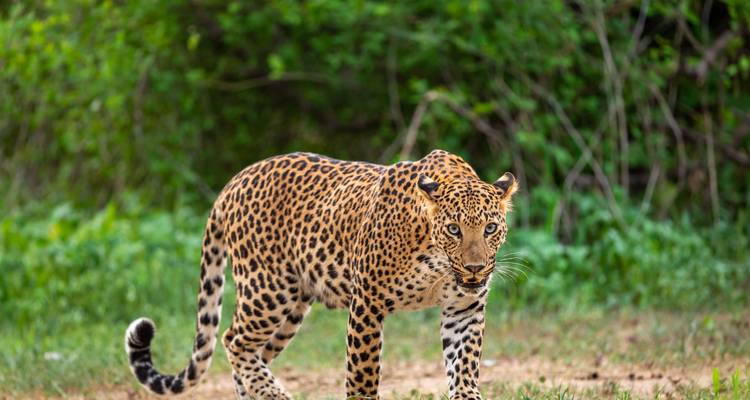
4‑Day Ranthambore National Park Safari from New Delhi
4 Days • Experience
From EUR855

32‑Day India to Sri Lanka Journey: Pink City & Spice Gardens
32 Days • Experience
From EUR2,499

15‑Day Delhi to Goa Cultural & Active Group Tour
15 Days • Experience
From EUR785
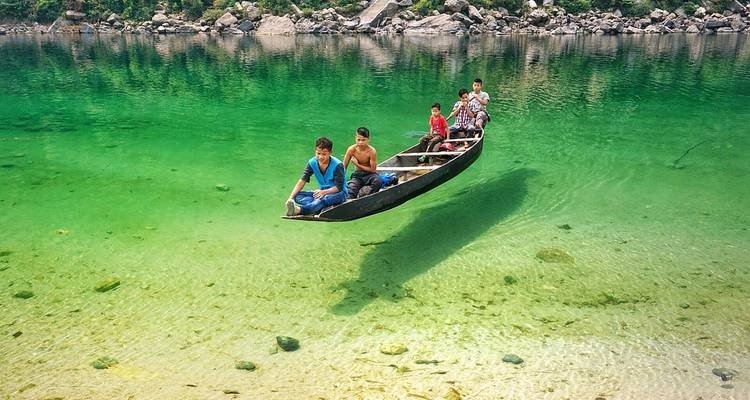
Meghalaya (A Budget Friendly Tour)
5 Days • Experience
From EUR567
Map View
Explore Pune on the map
Pune
The map is centred on Pune.
Why travel to Pune?
Pune suits a range of trips, from cultural explorations and academic visits to business and tech‑focused itineraries. Its moderate climate, extensive dining options, and accessible transport network support short city breaks, extended stays, and group tours, offering visitors flexibility in planning their experience.
Pune travel blogs
Stories and guides connected to Pune and the surrounding destination.
What Should You Know Before Visiting India – A Complete Country Guide
Before you set foot in India, understand its visa requirements, climate variations, and cultural norms. Most travelers n...
What are the hidden gems of India? Explore Secret Spots from Mountains to Coast
India’s hidden gems include remote hill towns like Spiti, pristine beaches such as Gokarna, ancient ruins at Hampi, lush...
Is India Safe for Travellers? Essential Safety Overview
India is generally safe for travellers who observe common precautions. Most tourist hubs such as Delhi, Jaipur, Kerala a...
What is a good itinerary for India? A 12‑15‑day classic route
A solid 12‑ to 15‑day itinerary that threads together Delhi, the Golden Triangle, Varanasi and a southern coastal stretc...
What is the best time to visit India? Complete seasonal overview
The best time to visit India is from October to March, when most of the country enjoys mild, dry weather. This six‑month...
How many days are enough to visit India? Find the ideal length
A two‑week itinerary is generally enough to experience India's major highlights without feeling rushed. Twelve to fourte...
More in India
Browse more city pages across India.


