 Lilshira


Explore India
Discover the diversity of India across its major cities and regions.
Currency
Indian Rupee (INR)
Language
Hindi, English
Population
≈1.4 billion
Visa
E‑visa required for most visitors; limited visa‑on‑arrival
Safety
Generally safe; use standard travel precautions
Travel Cost
Relatively low compared with many Western destinations
Best Visit
October – March
India at a glance
India spans a vast sub‑continent with 20 prominent cities, including New Delhi, Mumbai, Kolkata, Bengaluru, Chennai, Hyderabad, Ahmedabad, Surat, Pune and Jaipur. Its mix of historic landmarks, varied climate zones and a rich tapestry of cultures makes it a distinctive destination for travelers seeking both modern urban life and traditional experiences.


Tours & Activities
Curated experiences led by local experts.
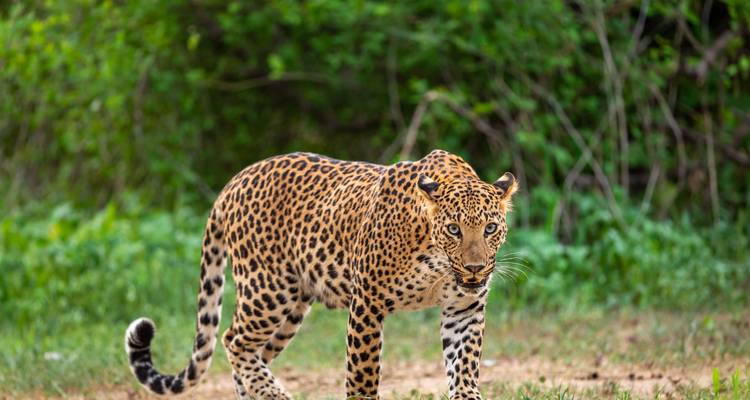
4‑Day Ranthambore National Park Safari from New Delhi
4 Days • Curated activity
From $855

32‑Day India to Sri Lanka Journey: Pink City & Spice Gardens
32 Days • Curated activity
From $2,499

15‑Day Delhi to Goa Cultural & Active Group Tour
15 Days • Curated activity
From $785
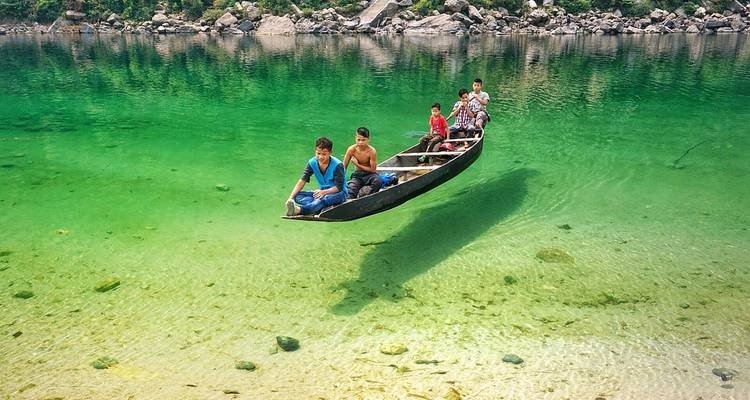
Meghalaya (A Budget Friendly Tour)
5 Days • Curated activity
From $567
Map View
Explore India on the map
Centered on the country’s main cities and scaled to keep the full destination in view.
India travel overview
The country suits cultural tours, city explorations and heritage journeys. Visitors can trace ancient monuments in Delhi, enjoy the film‑industry vibe of Mumbai, experience the royal architecture of Jaipur, and sample regional cuisines across the north, south, east and west. The climate range and affordable costs support both short city breaks and extended multi‑region itineraries.
Cities in India
Explore the main cities in India and open each one for more local details.

Ahmedabad
Bangalore

Bengaluru

Chennai
Coimbatore
Delhi
Hyderabad
Indore
Jaipur
Kanpur

Kolkata
Lucknow

Mumbai
Nagpur
Navi Mumbai

New Delhi
Pune
Surat
Thāne
Vadodara
Essential Travel Tips
Book Early
Popular routes and hotels fill quickly in peak season.
Mix Transport
Use trains between cities and local transit inside centers.
Stay Central
Base yourself near a walkable area to save time.
Cash Ready
Some small vendors still prefer cash for smaller purchases.
Pack Smart
Comfortable shoes matter more than anything else.
Travel guides for India
Practical answers for planning your trip to India.