 Lilshira


Explore Qaqortoq, Greenland
Discover the charm of Greenland’s southernmost town, Qaqortoq.
24°C / 75°F
Sunny in Qaqortoq
Peak Season
High visitor demand
Qaqortoq at a glance
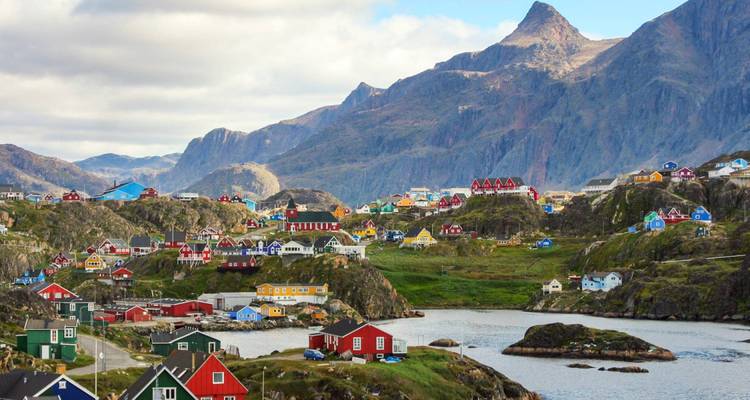
Qaqortoq, home to roughly 3,000 residents, is Greenland’s southernmost town and a gateway to Arctic culture and nature. Set against a sub‑arctic maritime climate, the town enjoys cool summers and snowy winters, creating dramatic seasonal contrasts. Its colorful wooden houses, historic stone church, and the unique Stone & Man sculpture park give Qaqortoq a distinct character that stands out among Greenlandic settlements.

Things to Do in Qaqortoq
Curated experiences led by local experts.
Map View
Explore Qaqortoq on the map
Qaqortoq
The map is centred on Qaqortoq.
Why travel to Qaqortoq?
Qaqortoq is ideal for travelers seeking a blend of outdoor adventure and cultural immersion. Summer visitors can hike along fjords, explore Norse ruins, and join boat tours to nearby glaciers, while winter guests experience the quiet beauty of snow‑covered landscapes and opportunities for northern‑lights viewing. The town’s compact size makes it perfect for walking tours, and its local eateries and craft shops provide authentic Greenlandic experiences.
Qaqortoq travel blogs
Stories and guides connected to Qaqortoq and the surrounding destination.
What is a good itinerary for Greenland? 10‑Day Highlights
A solid Greenland itinerary spans 10 days, starting in Ilulissat, cruising the UNESCO‑listed Icefjord, then flying to Ka...
What Should You Know Before Visiting Greenland – Complete Travel Guide
You should expect rugged terrain, extreme weather, limited infrastructure, and a higher cost of travel, so plan well in...
What are the hidden gems of Greenland? A guide to off‑beat wonders
Greenland’s hidden gems are scattered across its remote coastlines, icy fjords and isolated villages, offering solitude...
Is Greenland Safe for Travellers? What You Need to Know
Yes, Greenland is considered safe for most travellers, thanks to low crime rates and well‑regulated outdoor activities....
What is the Best Time to Visit Greenland? A Complete Seasonal Overview
The best time to visit Greenland is from late June to early August. This window provides the warmest temperatures, longe...
How many days are enough to visit Greenland? Find the perfect itinerary
A ten‑day itinerary hits the sweet spot for most first‑time visitors to Greenland. Ten days let you explore the iconic i...
More in Greenland
Browse more city pages across Greenland.