 Lilshira


Explore Rancagua, Chile
Discover the historic capital of Chile’s O’Higgins Region.
24°C / 75°F
Sunny in Rancagua
Peak Season
High visitor demand
Rancagua at a glance
Rancagua is a mid‑size city in central Chile, serving as the capital of the O’Higgins Region. With an estimated population of around 250,000 residents, it enjoys a Mediterranean climate marked by warm, dry summers and mild, wetter winters. Travelers find the most comfortable conditions in spring (September‑November) and autumn (March‑May), when temperatures are moderate and rainfall is limited.

Things to Do in Rancagua
Curated experiences led by local experts.

Patagonia: The Ultimate Adventure – 5‑Day Explorer Tour
5 Days • Experience
From USD1,155

5 Days Magical Easter Island
5 Days • Experience
From EUR1,241

Epic 27-Day Adventure Through Chile
27 Days • Experience
From EUR1,899
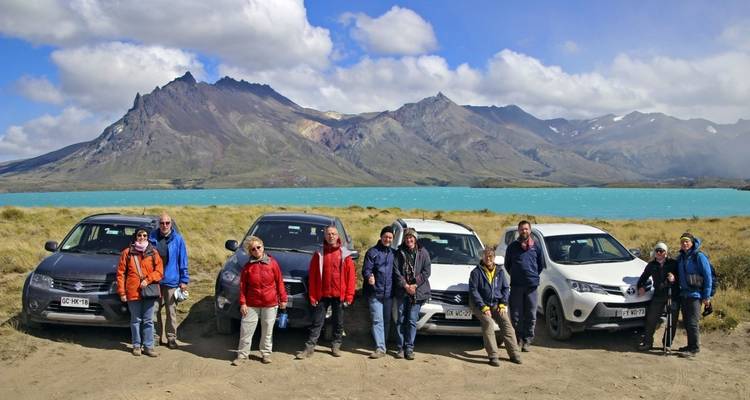
Carretera Austral and Ruta 40 - to the End of the World
22 Days • Experience
Map View
Explore Rancagua on the map
Rancagua
The map is centred on Rancagua.
Why travel to Rancagua?
The city appeals to a range of travelers, from those interested in Chilean mining heritage and nearby vineyards to visitors seeking a quieter base for exploring the central valley. Its size and regional role make it suitable for cultural day trips, outdoor activities in surrounding hills, and as a convenient stop when traveling between Santiago and southern destinations.
Rancagua travel blogs
Stories and guides connected to Rancagua and the surrounding destination.
What Should You Know Before Visiting Chile – Travel Guide
Chile welcomes visitors with diverse landscapes, but you should first check visa requirements, pack for varying climates...
What are the hidden gems of Chile? A guide to off‑the‑beaten‑path wonders
Chile’s hidden gems include the emerald lagoons of Queulat National Park, the desert oasis of Valle de la Luna, the mist...
Is Chile Safe for Travellers? What You Need to Know
Yes, Chile is considered safe for most travellers, especially in popular regions and major cities. Crime rates are low c...
What is a good itinerary for Chile? A 10‑Day Highlights Plan
A good itinerary for Chile spans 10 days, covering Santiago, the Atacama Desert, and Patagonia’s Torres del Paine. This...
What is the Best Time to Visit Chile? Your Complete Seasonal Overview
The best time to visit Chile depends on the region, but late spring (October‑November) and early autumn (March‑April) of...
How many days are enough to visit Chile? Find the ideal itinerary
A ten‑day itinerary is generally enough to experience Chile’s core attractions without feeling rushed. Ten days let you...
More in Chile
Browse more city pages across Chile.