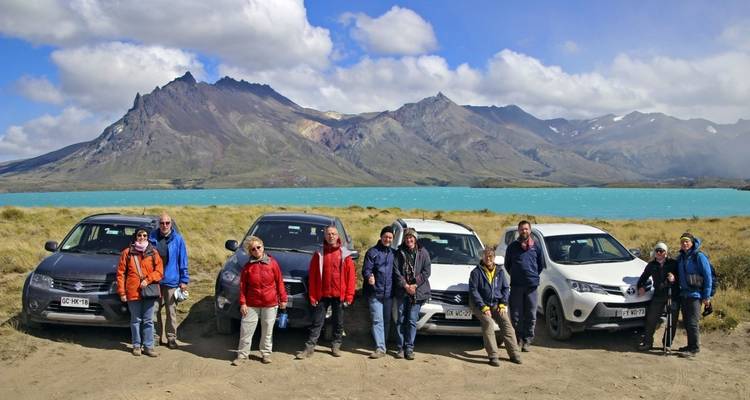
Chile Coast

Discover Chile

From the Atacama Desert to Patagonia, Chile offers diverse landscapes and vibrant cities.

30 Tours
6 Guides
20 Cities
payments

Currency

Chilean Peso (CLP)

translate

Language

Spanish

groups

Population

About 19 million

passport

Visa

Visa‑free for many tourists up to 90 days; other nationals need a visa

security

Safety

Generally safe; take usual precautions in urban areas

savings

Travel Cost

Moderate; typical daily budget $70‑120 USD

wb_sunny

Best Visit

Spring/Autumn (Sept‑Nov, Mar‑May) for most; summer (Dec‑Feb) for Patagonia

Chile at a glance

Chile stretches from the world‑renowned Atacama Desert in the north to the glacial landscapes of Patagonia in the south, offering a remarkable range of climates and scenery. Its major urban centers—Santiago, Valparaíso, Concepción, La Serena, Antofagasta, Viña del Mar, Puerto Montt and Arica—reflect a blend of cultural heritage and modern development, making the country a compelling destination for diverse travel interests.

Chile view Chile view

Map View

Explore Chile on the map

Centered on the country’s main cities and scaled to keep the full destination in view.

place 20 Attractions public Google Maps style
search
Search area
Chile
Country location
Chile
Centred from 20 city points.
open_in_new Open in Google Maps

Chile travel overview

The country's varied geography suits many types of trips: adventure seekers can explore Patagonia’s trails, desert enthusiasts can experience the Atacama’s unique terrain, wine lovers can visit the central valleys, and city travelers can enjoy the vibrant life of Santiago and coastal towns. Seasonal climate differences allow travelers to tailor their itinerary to preferred weather and activities.

Chile view Chile view

Essential Travel Tips

Book Early

Popular routes and hotels fill quickly in peak season.

Mix Transport

Use trains between cities and local transit inside centers.

Stay Central

Base yourself near a walkable area to save time.

Cash Ready

Some small vendors still prefer cash for smaller purchases.

Pack Smart

Comfortable shoes matter more than anything else.

Frequently Asked Questions

What are the main cities to visit in Chile? expand_more
Chile’s main urban centers include Santiago, the capital, coastal hubs Valparaíso and Viña del Mar, the industrial city Concepción, the historic town La Serena, the mining city Antofagasta, the southern gateway Puerto Montt, and the border city Arica. These cities showcase the country’s cultural, economic and geographic diversity.
When is the ideal time to travel to Chile for mild weather? expand_more
The most temperate months are spring (September‑November) and autumn (March‑May) across central Chile, offering mild temperatures and lower crowds. For Patagonia’s glaciers and trekking routes, the summer months of December‑February provide the warmest weather and longest daylight.
What visa requirements apply for US and European travelers? expand_more
Travelers from the United States, Canada, the European Union, Australia and many other nations may enter Chile without a visa for stays up to 90 days. Citizens of countries requiring a visa must obtain a tourist visa from a Chilean consulate before arrival.
How safe is it to travel alone in Chile’s major cities? expand_more
Chile is generally safe for tourists, but petty crime such as pickpocketing can occur in crowded areas of Santiago, Valparaíso and other cities. Keep personal items close, avoid displaying large amounts of cash, and use reputable transportation services, especially after dark.
What is the typical daily budget for a mid‑range traveler in Chile? expand_more
A mid‑range traveler typically spends between US$70 and US$120 per day, covering budget hotels or hostels, meals at local restaurants, public transportation and occasional entrance fees to attractions. Prices vary by region, with Patagonia and remote areas tending toward the higher end of the range.
Which climate zones does Chile have and how do they affect activities? expand_more
Chile spans several climate zones: an arid desert in the north, a Mediterranean climate in the central valley, and a cool, rainy temperate zone in the south. The northern desert suits stargazing and sand activities, the central region supports vineyards and city tours, while the south offers hiking and glacier exploration.
How can I get from Santiago to Patagonia? expand_more
The quickest way to reach Patagonia from Santiago is to fly to Punta Arenas or Puerto Natales on a domestic airline; flights last about 3.5 hours. Alternatively, long‑distance buses connect Santiago with southern towns, but the journey can exceed 30 hours.
What transportation options exist between northern and southern Chile? expand_more
Travel between Chile’s north and south can be done by domestic flights, which link major airports, or by extensive long‑distance bus routes that run the length of the country. Car rentals are also available for flexible road trips, though distances are large.
Are there any health or vaccination recommendations for visitors? expand_more
No vaccinations are mandatory for entry, but health authorities recommend that travelers be up to date on routine vaccines and consider hepatitis A, hepatitis B and typhoid, especially if visiting remote areas or consuming street food. Check current advisories before departure.
What currency should I carry and are credit cards widely accepted? expand_more
The Chilean peso (CLP) is the official currency; ATMs are common in cities and towns. Credit and debit cards are widely accepted in hotels, restaurants and larger shops, while smaller vendors and markets often prefer cash, so carrying some pesos is advisable.