 Lilshira


Discover Riga, Latvia
A vibrant capital blending medieval charm with modern culture.
24°C / 75°F
Sunny in Riga
Peak Season
High visitor demand
Riga at a glance
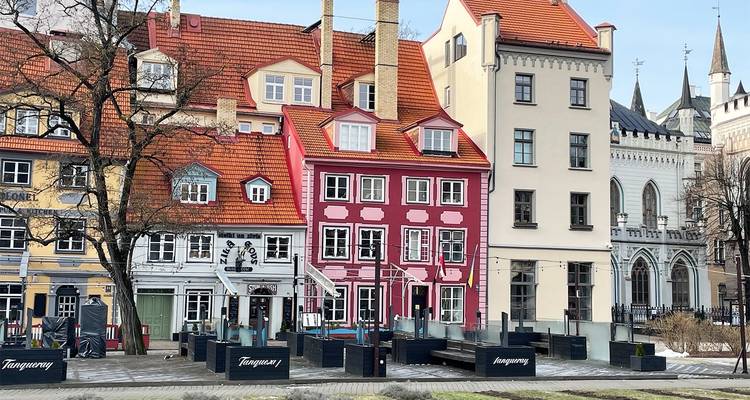
Riga, the capital of Latvia, is home to roughly 630,000 residents and sits on the Gulf of Riga. The city is renowned for its well‑preserved medieval Old Town, extensive Art Nouveau architecture, and a lively cultural calendar. Its continental climate brings cold winters and mild summers, making it a distinctive destination in the Baltic region.

Things to Do in Riga
Curated experiences led by local experts.
Map View
Explore Riga on the map
Riga
The map is centred on Riga.
Why travel to Riga?
Riga works well for short city breaks, cultural tours, and food‑focused trips. Visitors can wander historic streets, explore museums, sample traditional Latvian dishes, and enjoy a growing nightlife scene. The city’s compact layout and reliable public transport also suit families and solo travelers seeking a mix of history, architecture, and contemporary experiences.
Riga travel blogs
Stories and guides connected to Riga and the surrounding destination.
What should you know before visiting Latvia? A complete country guide
Latvia is a compact Baltic nation where a 4‑ to 7‑day itinerary lets you experience medieval towns, pristine coastlines,...
What is a good itinerary for Latvia? A 4‑Day Highlights Route
A good itinerary for Latvia combines three days in Riga, one day in the Gauja River valley, and a half‑day in the coasta...
How Many Days Are Enough to Visit Latvia? A Practical Guide
Four to five days is generally enough to experience Latvia’s highlights without feeling rushed. This timeframe lets you...
What are the hidden gems of Latvia? Uncover Secret Spots
Latvia’s hidden gems include the medieval town of Kuldiga, the secluded dunes of Jurmala’s northern beach, the amber‑ric...
Is Latvia Safe for Travellers? Essential Safety Overview
Yes, Latvia is safe for travellers, offering low crime rates and well‑maintained infrastructure. Most visitors experienc...
What is the Best Time to Visit Latvia? A Practical Seasonal Guide
The best time to visit Latvia is late May through early June or September. These shoulder‑season months deliver mild tem...
More in Latvia
Browse more city pages across Latvia.