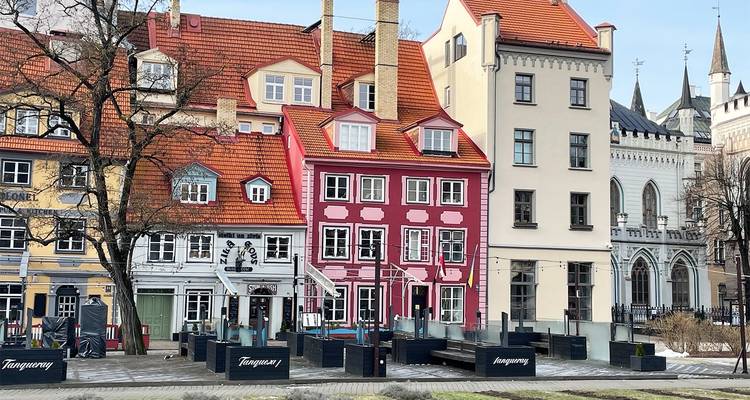
Latvia Coast

Discover Latvia

Experience the blend of medieval charm and Baltic nature across Latvia’s vibrant cities and coastlines.

1 Tours
6 Guides
5 Cities
payments

Currency

Euro (EUR)

translate

Language

Latvian

groups

Population

Approximately 1.9 million

passport

Visa

Schengen visa‑free for EU/EEA and many countries; others need a Schengen visa

security

Safety

Generally safe with low crime rates; standard precautions advised

savings

Travel Cost

Moderate – mid‑range European prices for accommodation and meals

wb_sunny

Best Visit

May – September (late spring to early autumn)

Latvia at a glance

Latvia offers a distinctive mix of historic architecture, vibrant cultural scenes, and expansive natural landscapes. From the medieval Old Town of Riga to the sandy beaches of Jūrmala and the forested hills of the interior, the country provides diverse experiences within a compact geographic area, making it easy for travelers to explore multiple attractions in a single trip.

Latvia view Latvia view

Map View

Explore Latvia on the map

Centered on the country’s main cities and scaled to keep the full destination in view.

place 5 Attractions public Google Maps style
search
Search area
Latvia
Country location
Latvia
Centred from 5 city points.
open_in_new Open in Google Maps

Latvia travel overview

The country suits a range of travel styles: city lovers can enjoy museums, markets, and nightlife in Riga and Liepāja; nature enthusiasts can trek through national parks and coastal dunes; and families can relax on seaside resorts like Jūrmala. Its moderate cost and safe environment make Latvia an attractive destination for short breaks, cultural tours, and outdoor adventures alike.

Latvia view Latvia view

Essential Travel Tips

Book Early

Popular routes and hotels fill quickly in peak season.

Mix Transport

Use trains between cities and local transit inside centers.

Stay Central

Base yourself near a walkable area to save time.

Cash Ready

Some small vendors still prefer cash for smaller purchases.

Pack Smart

Comfortable shoes matter more than anything else.

Frequently Asked Questions

What are the entry visa requirements for Latvia? expand_more
Latvia is part of the Schengen Area. Citizens of EU/EEA countries and many other nations can enter visa‑free for short stays up to 90 days. Travelers from countries without visa‑free agreements must obtain a Schengen visa before arrival. Always check the latest consular information for any updates or specific documentation needs.
When is the most suitable time to visit Latvia for pleasant weather? expand_more
The period from May through September offers the warmest temperatures and the longest daylight hours, making it ideal for exploring cities, beaches, and countryside attractions. Early summer provides mild weather, while late summer can be warmer, especially in coastal areas.
How much does a typical day cost for a traveler in Latvia? expand_more
A moderate budget traveler can expect to spend around €50‑€70 per day, covering a mid‑range hostel or budget hotel, three meals at local restaurants, public transport, and entry to most attractions. Costs can vary depending on accommodation choices and dining preferences.
Which cities should I include in a short itinerary of Latvia? expand_more
A concise itinerary often features Riga for its historic centre and nightlife, Jūrmala for its seaside promenade, Liepāja for its port and cultural venues, and Daugavpils for its multicultural heritage. Adding a day trip to Sigulda in the Gauja River valley provides access to castles and nature trails.
What are the main attractions in Riga? expand_more
Riga’s highlights include the UNESCO‑listed Old Town with St. Peter’s Church, the Art Nouveau district, the Central Market housed in former Zeppelin hangars, and the Latvian National Museum of Art. The city’s riverfront promenade and vibrant culinary scene also draw many visitors.
Are there any safety concerns for tourists in Latvia? expand_more
Latvia is generally safe for tourists, with low rates of violent crime. Pickpocketing can occur in crowded areas such as markets and public transport, so keep belongings secure. Standard travel precautions—like avoiding poorly lit streets late at night—help ensure a trouble‑free visit.
What is the climate like throughout the year in Latvia? expand_more
Latvia has a temperate maritime climate. Winters are cold, with average temperatures around ‑2 °C to ‑5 °C and frequent snowfall. Summers are mild to warm, averaging 18 °C to 22 °C. Spring and autumn are transitional, offering cooler temperatures and occasional rain.
How can I travel between Latvian cities? expand_more
Inter‑city travel is well served by a network of regular trains and buses. The state railway (Pasažieru vilciens) connects Riga with Daugavpils, Liepāja, and other major towns. Long‑distance bus operators provide frequent, affordable services across the country.
Is there a reliable public transport system in Riga? expand_more
Riga’s public transport includes buses, trolleybuses, and trams that operate on an integrated ticketing system. Tickets can be purchased via mobile apps, ticket machines, or on board for a small surcharge. Service runs from early morning until midnight, with night routes on weekends.
What currency is used and are credit cards widely accepted? expand_more
Latvia uses the Euro (EUR). Credit and debit cards are accepted at most hotels, restaurants, and larger shops, especially in urban areas. Smaller establishments and rural vendors may prefer cash, so carrying some euros is advisable.