 Lilshira


Discover Saint-Paul, Réunion
A coastal city known for its volcanic landscapes, cultural heritage, and easy access to island nature.
24°C / 75°F
Sunny in Saint-Paul
Peak Season
High visitor demand
Saint-Paul at a glance
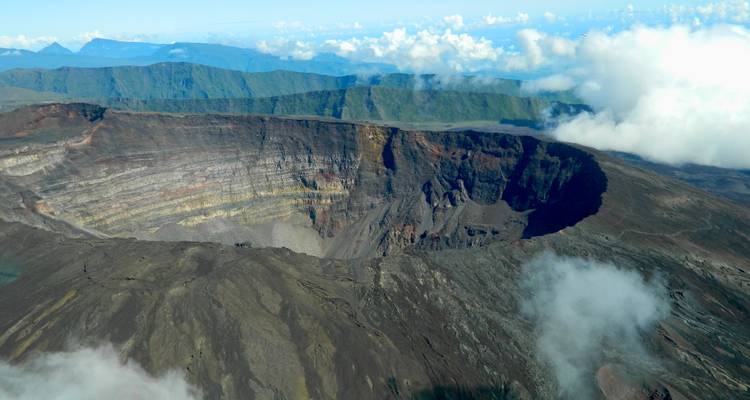
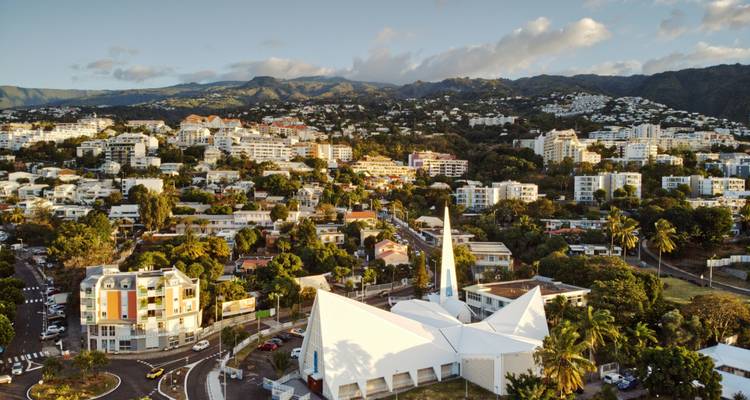
Saint-Paul is a major city on the southwestern coast of Réunion, an overseas department of France in the Indian Ocean. It combines a historic town centre with expansive beaches and proximity to the island’s volcanic interior, offering visitors a blend of cultural sites and natural scenery that distinguishes it from other coastal destinations.

Things to Do in Saint-Paul
Curated experiences led by local experts.
Map View
Explore Saint-Paul on the map
Saint-Paul
The map is centred on Saint-Paul.
Why travel to Saint-Paul?
The city suits a range of trips, from family holidays that enjoy safe beaches and local markets to adventure itineraries focused on hiking, surfing, and exploring nearby volcanic features. Its position also makes it a convenient base for day trips to the island’s cirques, waterfalls, and marine wildlife watching spots.
Saint-Paul travel blogs
Stories and guides connected to Saint-Paul and the surrounding destination.
What should you know before visiting Reunion? A complete country guide
Reunion is a volcanic island that blends dramatic landscapes, Creole culture, and year‑round outdoor adventure, so plan...
What are the hidden gems of Reunion? A guide to secret spots
Reunion’s hidden gems are the lesser‑known waterfalls of Salazie, the volcanic tunnel of Caverne des Brûleurs, and the q...
Is Reunion Safe for Travellers? What You Need to Know
Reunion is considered safe for most travellers, with low petty‑crime levels and well‑organized emergency services. Most...
What is the Best Time to Visit Reunion? A Complete Guide
The best time to visit Reunion is during the dry season, from May through October. During these months the island enjoys...
What is a good itinerary for Reunion? A 7‑Day Travel Plan
A solid Reunion itinerary spans seven days, mixing volcanic landscapes, tropical beaches, and Creole culture. Spend two...
How many days are enough to visit Reunion? Find the perfect stay length
A week—seven to ten days—is generally enough to experience Reunion’s highlights without rushing. This timeframe lets you...
More in Reunion
Browse more city pages across Reunion.