
Reunion Coast

Explore Réunion Island

Discover the volcanic landscapes, French culture, and tropical charm of Réunion.

2 Tours
6 Guides
5 Cities
payments

Currency

Euro (EUR)

translate

Language

French

groups

Population

Approximately 860,000

passport

Visa

Schengen visa required for most non‑EU travelers; EU/EEA citizens visa‑free

security

Safety

Generally safe; standard precautions recommended

savings

Travel Cost

Moderate to high due to Euro and island import costs

wb_sunny

Best Visit

May – November (dry season)

Reunion at a glance

Réunion, a French overseas department in the Indian Ocean, offers a unique blend of European heritage and tropical biodiversity. Its dramatic volcanic peaks, lush forests, and coral reefs create a landscape unlike any other. With French as the official language and the Euro as currency, visitors enjoy familiar services while exploring a distinct island culture. The island’s 20 cities, including Saint‑Denis, Saint‑Paul, and Saint‑Pierre, provide a mix of urban amenities and access to natural attractions.
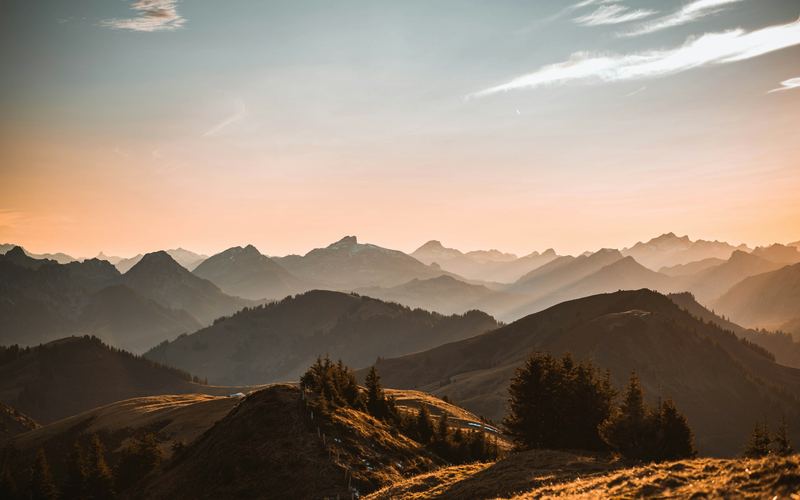
Reunion view Reunion view

Map View

Explore Reunion on the map

Centered on the country’s main cities and scaled to keep the full destination in view.

place 5 Attractions public Google Maps style
search
Search area
Reunion
Country location
Reunion
Centred from 5 city points.
open_in_new Open in Google Maps

Reunion travel overview

Réunion is ideal for adventure‑focused trips, nature lovers, and cultural explorers. The dry season from May to November offers clear skies for hiking the Piton de la Fournaise volcano, snorkeling along the reef, and trekking through the Cirques. Families and solo travelers alike appreciate the island’s safety level and well‑maintained infrastructure, while food enthusiasts can sample French‑influenced Creole cuisine across its vibrant towns.

Reunion view Reunion view

Essential Travel Tips

Book Early

Popular routes and hotels fill quickly in peak season.

Mix Transport

Use trains between cities and local transit inside centers.

Stay Central

Base yourself near a walkable area to save time.

Cash Ready

Some small vendors still prefer cash for smaller purchases.

Pack Smart

Comfortable shoes matter more than anything else.

Frequently Asked Questions

What is the best time of year to visit Réunion and why? expand_more
The optimal period is May – November, which is the island’s dry season. During these months rainfall is limited, skies are clearer, and temperatures are comfortable for outdoor activities such as hiking, beach visits, and exploring the volcanic landscapes.
Do I need a visa to travel to Réunion? expand_more
Visitors from EU and EEA countries can enter Réunion visa‑free. Travelers from most other nations must obtain a Schengen visa before arrival, as Réunion follows the same visa rules as mainland France.
How much does a typical trip to Réunion cost? expand_more
Travel expenses are moderate to high because the Euro is used and many goods are imported. Budget travelers can manage with hostels and local eateries, while mid‑range visitors should expect higher prices for accommodation, dining, and activities compared to mainland France.
What currency is used in Réunion and can I use credit cards? expand_more
Réunion uses the Euro (EUR). Credit and debit cards are widely accepted in hotels, restaurants, and shops, especially in larger towns like Saint‑Denis and Saint‑Pierre. ATMs dispense euros, and small cash amounts may be needed for remote markets.
Which languages are spoken in Réunion and will I be understood? expand_more
French is the official language and is used for all public signage, administration, and most services. Réunion Creole is spoken locally, but visitors who speak French or basic English will generally be understood in tourist areas.
What are the must‑see cities or towns in Réunion? expand_more
Key destinations include Saint‑Denis (the capital), Saint‑Paul, Saint‑Pierre, Le Tampon, Saint‑André, Saint‑Louis, Saint‑Joseph, Saint‑Benoît, La Possession, Saint‑Leu, Sainte‑Marie, and Le Port. Each offers a mix of cultural sites, markets, and access to natural attractions.
What type of climate can I expect when visiting Réunion? expand_more
Réunion has a tropical climate with a distinct wet season (December – April) and dry season (May – November). Temperatures range from 20 °C to 30 °C along the coast, while higher elevations can be cooler, especially on the volcanic interior.
What outdoor activities are popular in Réunion? expand_more
The island is renowned for hiking the Piton de la Fournaise volcano, trekking the cirques of Salazie and Mafate, snorkeling and diving on coral reefs, canyoning in waterfalls, and surfing on the east coast. These activities are best enjoyed during the dry season.
How can I travel between cities on Réunion? expand_more
Public buses (car ferries) connect most major towns, and a well‑maintained road network allows car rentals for flexible travel. Taxis and ride‑sharing services are also available in larger cities.
Are there direct flights to Réunion from major international hubs? expand_more
Réunion’s main airport, Roland Garros International (RUN) in Saint‑Denis, receives direct flights from Paris, Marseille, and several African and Middle Eastern cities. Travelers from other regions typically connect through these European or African hubs.