 Lilshira


Discover Sisak, Croatia
A riverside city where history, culture, and nature intersect in central Croatia.
24°C / 75°F
Sunny in Sisak
Peak Season
High visitor demand
Sisak at a glance
Sisak, located at the meeting point of the Sava and Kupa rivers in central Croatia, is a city of about 38,000 residents. Its blend of industrial heritage and historic landmarks makes it a distinctive stop for travelers seeking both cultural depth and river scenery. The continental climate provides warm summers and cool winters, with the most pleasant conditions from May to September.

Things to Do in Sisak
Curated experiences led by local experts.
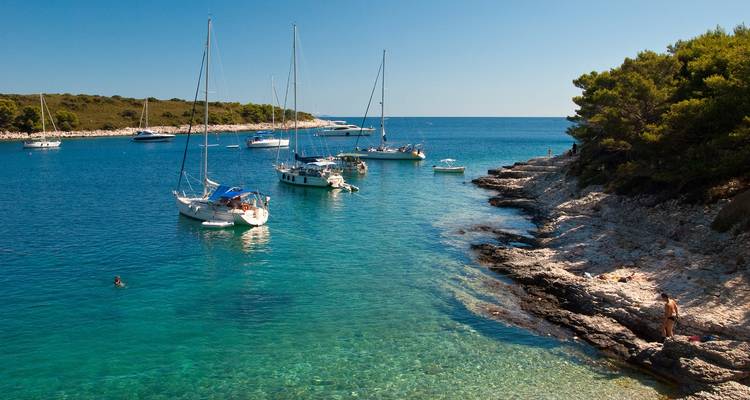
Private 8‑Day Sailing Adventure Through the Split Islands
8 Days • Experience
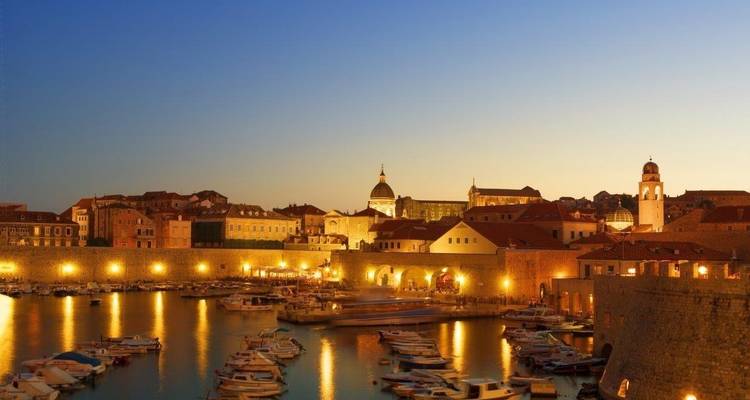
Dubrovnik and Split, Private Tour
7 Days • Experience
From EUR724
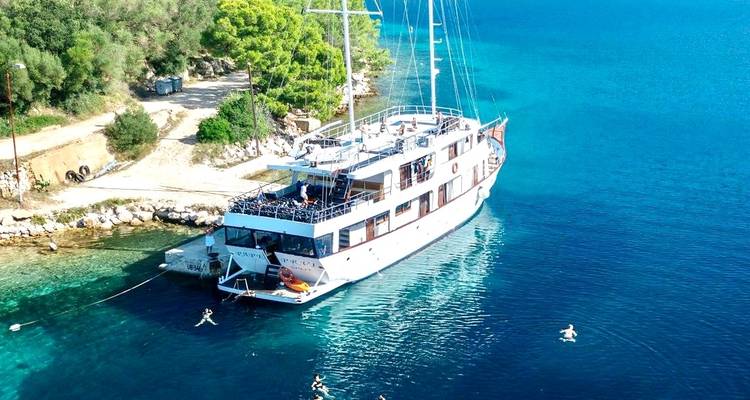
Croatia Sail - Adriatic Explorer
8 Days • Experience
From EUR1,199
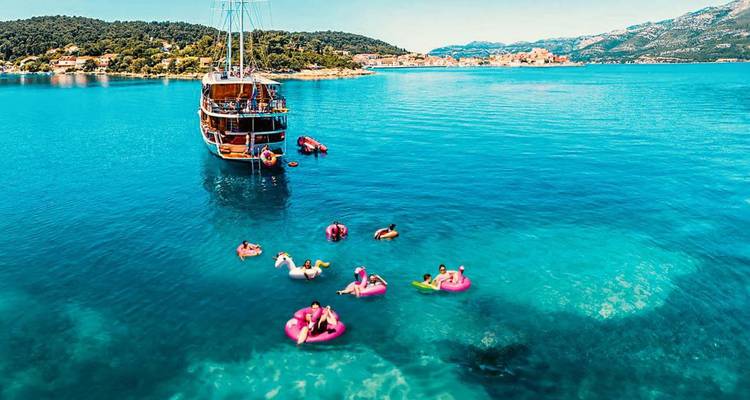
Croatia Island Sail (Standard)
8 Days • Experience
Map View
Explore Sisak on the map
Sisak
The map is centred on Sisak.
Why travel to Sisak?
Sisak is ideal for history enthusiasts, nature lovers, and day‑trip visitors from Zagreb. The city’s forts, museums, and riverfront paths cater to cultural tours, while nearby wetlands and parks appeal to outdoor activities. Its moderate size and accessible transport options also suit families and solo travelers looking for a relaxed yet engaging Croatian experience.
Sisak travel blogs
Stories and guides connected to Sisak and the surrounding destination.
What Should You Know Before Visiting Croatia? A Complete Country Guide
You should plan for a 7‑10‑day itinerary, travel between April and October, and expect a mix of Mediterranean climate, m...
What are the hidden gems of Croatia? Beaches, towns, waterfalls
Croatia’s hidden gems are its quiet coastal coves, untouched islands, medieval hill towns, and inland waterfalls that li...
Is Croatia Safe for Travellers? What You Need to Know
Yes, Croatia is considered safe for travellers. Violent crime is rare, and most incidents involve petty theft in crowded...
What is the Best Time to Visit Croatia? All You Need to Know
The optimal time to visit Croatia runs from late May through early October. During these months temperatures hover betwe...
What is a good itinerary for Croatia? A 7‑Day Highlights Route
A solid 7‑day loop from Zagreb through Plitvice Lakes, Zadar, Split and Dubrovnik hits the country’s top sights while ke...
How many days are enough to visit Croatia? Find the perfect length
A ten‑day itinerary hits the highlights without feeling rushed. Most visitors find 7‑12 days ideal because it allows tim...
More in Croatia
Browse more city pages across Croatia.