Croatia Coast

Discover Croatia

Essential travel facts and tips for exploring Croatia’s cities, coast, and culture.

57 Tours
6 Guides
20 Cities
payments

Currency

Euro (EUR)

translate

Language

Croatian

groups

Population

About 4 million

passport

Visa

Schengen‑area visa‑free for most tourists up to 90 days

security

Safety

Generally safe for visitors with low crime rates

savings

Travel Cost

Moderate – budget €50‑70/day, mid‑range €100‑150/day

wb_sunny

Best Visit

May – September (peak) or April/October (shoulder)

Croatia at a glance

Croatia combines historic inland capitals with a striking Adriatic coastline, offering travelers a blend of cultural heritage and natural beauty. Its major cities such as Zagreb, Split, Zadar, Pula, and Šibenik showcase diverse architecture, vibrant markets, and easy access to islands. With a Euro‑based economy, moderate travel costs, and a reputation for safety, Croatia stands out as a well‑rounded European destination.

Croatia view Croatia view

Map View

Explore Croatia on the map

Centered on the country’s main cities and scaled to keep the full destination in view.

place 20 Attractions public Google Maps style
search
Search area
Croatia
Country location
Croatia
Centred from 20 city points.
open_in_new Open in Google Maps

Croatia travel overview

The country suits a range of itineraries: city‑focused cultural tours work well in Zagreb and Split; sailing and island‑hopping adventures thrive from Split’s private tours; families appreciate the safe environment and varied attractions; and nature lovers can explore coastal parks and inland landscapes. The climate supports travel from late spring through early autumn, making each type of trip comfortable and rewarding.

Croatia view Croatia view

Essential Travel Tips

Book Early

Popular routes and hotels fill quickly in peak season.

Mix Transport

Use trains between cities and local transit inside centers.

Stay Central

Base yourself near a walkable area to save time.

Cash Ready

Some small vendors still prefer cash for smaller purchases.

Pack Smart

Comfortable shoes matter more than anything else.

Frequently Asked Questions

When is the ideal time to visit Croatia for pleasant weather and fewer crowds? expand_more
The best period runs from May to September, when temperatures are warm and the coastline is fully accessible. For milder conditions and reduced visitor numbers, the shoulder months of April and October also provide comfortable weather while avoiding peak-season crowds.
What visa requirements apply for travelers from the United States, United Kingdom, and EU countries? expand_more
Croatia is part of the Schengen Area, so citizens of EU member states, the United States, the United Kingdom, and many other nations can enter without a visa for stays of up to 90 days within any 180‑day period. Longer stays require a national visa or residence permit.
How much should a typical traveler budget per day in Croatia? expand_more
Travel costs are moderate. Budget travelers can manage with roughly €50‑70 per day covering hostels, meals, and local transport. Mid‑range visitors usually spend €100‑150 daily for three‑star hotels, restaurant meals, and occasional tours. Luxury travelers will spend more, depending on accommodation and activities.
Which Croatian cities are most popular for first‑time visitors? expand_more
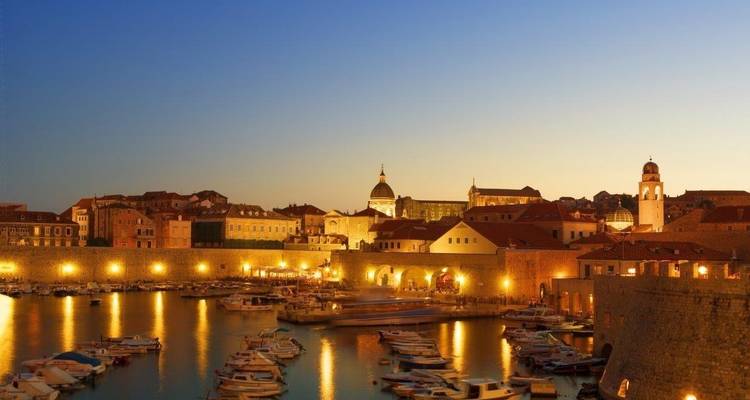
First‑time visitors often start in Zagreb, the capital, for its historic core and museums. Coastal hubs such as Split, Zadar, Pula, and Šibenik are favored for their waterfront promenades, Roman ruins, and easy ferry connections to nearby islands.
What experiences does Croatia offer for nature lovers? expand_more
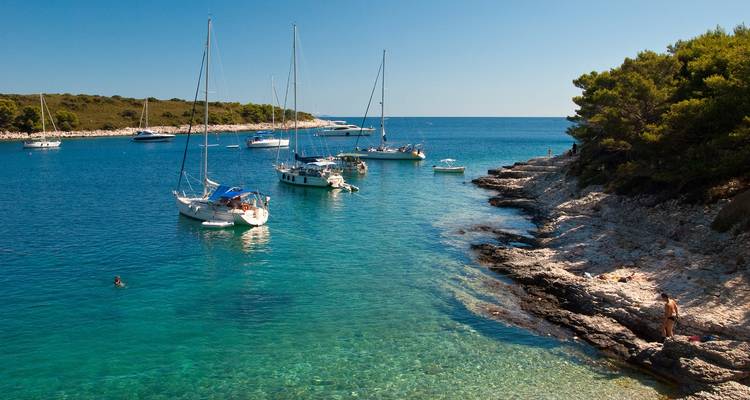
Croatia’s Adriatic coastline provides crystal‑clear waters, hidden coves, and sailing routes among islands like Hvar and Brač. Inland, the continental climate supports forests, rivers, and rolling hills, offering hiking, cycling, and wildlife spotting in protected areas and national parks.
Are there any safety tips tourists should keep in mind while traveling in Croatia? expand_more
Croatia is generally safe with low crime rates, but standard precautions help. Keep personal belongings secure in crowded areas, use reputable transport services, and follow local signage. Nighttime walks in well‑lit neighborhoods and awareness of petty theft in tourist hotspots further enhance safety.
What are the main attractions in Split? expand_more
Split’s centerpiece is Diocletian’s Palace, a UNESCO‑listed Roman complex that now houses shops, restaurants, and residences. The Riva waterfront promenade offers cafés and views of the harbor, while nearby beaches and short ferry rides provide access to popular islands for day trips.
What cultural highlights can be found in Zagreb? expand_more
Zagreb’s Upper Town features historic churches, stone‑paved streets, and the iconic St. Mark’s Square. Ban Jelačić Square serves as the city’s central hub, surrounded by museums such as the Museum of Broken Relationships and the Croatian National Theatre, reflecting a blend of Austro‑Hungarian and modern influences.
Which islands are typically included in a private sailing tour from Split? expand_more
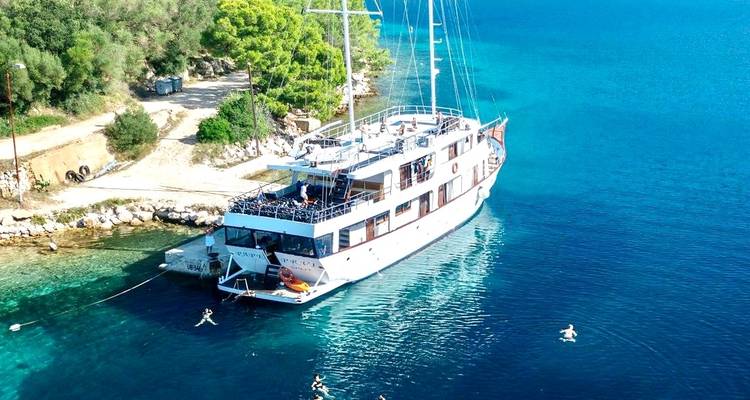
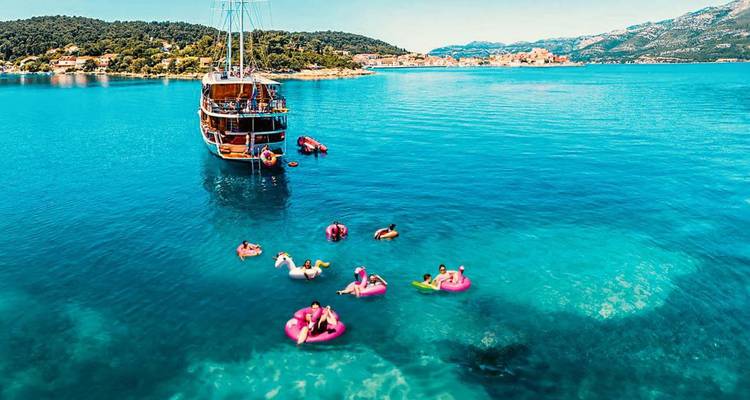
Private sailing tours departing from Split often visit islands such as Hvar, known for its lavender fields; Brač, home to the famous Zlatni Rat beach; Vis, offering secluded coves; and Šolta, which provides quiet bays and traditional villages.
How does Croatia’s climate vary across the country? expand_more
Along the Adriatic coast, Croatia enjoys a Mediterranean climate with hot, dry summers and mild, wet winters. Inland regions experience a continental climate, featuring hotter summer days and colder winter temperatures, which can include snowfall in higher elevations.