 Lilshira


Explore Sofia, Bulgaria
Sofia blends historic charm with modern energy in Bulgaria’s vibrant capital.
24°C / 75°F
Sunny in Sofia
Peak Season
High visitor demand
Sofia at a glance
Sofia, the capital of Bulgaria, is a city of roughly 1.2 million residents that balances Eastern European history with contemporary culture. Its continental climate brings cold winters and warm summers, making late spring and early autumn especially pleasant for visitors. The city’s mix of historic architecture, green spaces, and lively streets sets it apart as a dynamic gateway to the Balkans.

Things to Do in Sofia
Curated experiences led by local experts.

Highlights of Bulgaria by train
12 Days • Experience
From EUR1,425
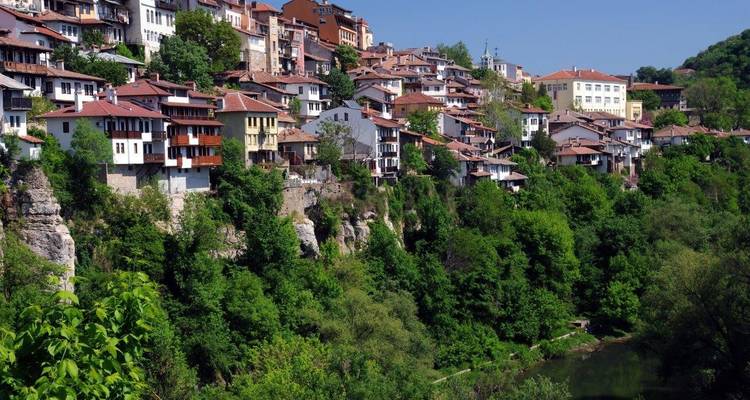
Go Local: Best of Bulgaria, Self-Drive
11 Days • Experience
From EUR895

Orpheus Trail Ride, Bulgaria
6 Days • Experience
From EUR770

Capitals of Balkan
9 Days • Experience
From EUR2,297
Map View
Explore Sofia on the map
Sofia
The map is centred on Sofia.
Why travel to Sofia?
Sofia suits a range of travel styles. History and culture enthusiasts can explore museums and historic districts, while outdoor lovers enjoy nearby hills and parks. Business travelers benefit from modern amenities and connectivity, and food lovers find a variety of traditional and modern Bulgarian dishes. The city’s seasonal climate supports comfortable sightseeing in spring and autumn.
Sofia travel blogs
Stories and guides connected to Sofia and the surrounding destination.
Is Bulgaria safe for travellers? What you need to know
Yes, Bulgaria is safe for most travellers, with petty crime comparable to other European destinations and a well‑develop...
What is a Good Itinerary for Bulgaria? A 7‑Day Overview
A solid 7‑day itinerary starts in Sofia, spends two days exploring the capital’s historic core, then heads to Plovdiv fo...
How Many Days Are Enough to Visit Bulgaria? Planning Your Trip
A week is generally enough to see Bulgaria's main attractions without feeling rushed. Seven to ten days let you explore...
What Should You Know Before Visiting Bulgaria? Country Guide
You should know the visa requirements, optimal travel months, transport options, typical costs and basic cultural etique...
What are the hidden gems of Bulgaria? A traveler’s off‑the‑radar guide
Bulgaria’s hidden gems are scattered across its rugged mountains, quiet Black Sea bays, and forgotten historic towns. Yo...
What is the Best Time to Visit Bulgaria? A Complete Seasonal Overview
The best time to visit Bulgaria is from late May to early June or from September to early October. These windows offer c...
More in Bulgaria
Browse more city pages across Bulgaria.