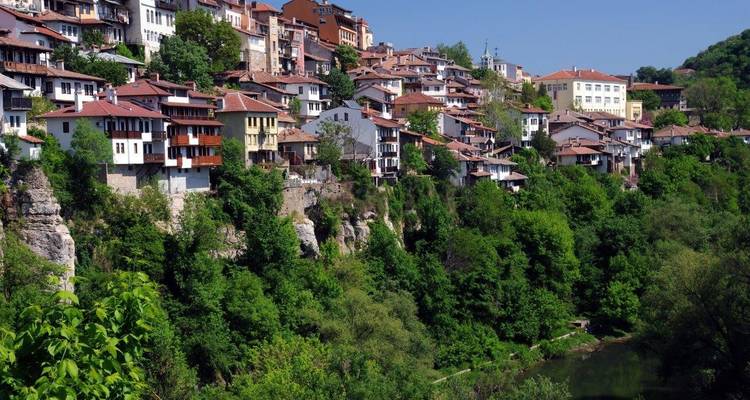
Bulgaria Coast

Discover Bulgaria

From historic capitals to Black Sea beaches, Bulgaria offers diverse experiences for every traveler.

17 Tours
6 Guides
20 Cities
payments

Currency

Bulgarian lev (BGN)

translate

Language

Bulgarian

groups

Population

About 6.9 million

passport

Visa

Visa‑free for many nationalities up to 90 days

security

Safety

Generally safe; standard precautions recommended

savings

Travel Cost

Moderate; lower than Western Europe

wb_sunny

Best Visit

Late spring (May‑June) and early autumn (Sept‑Oct)

Bulgaria at a glance

Bulgaria blends historic cities, a Black Sea coastline, and varied landscapes within a compact 20‑city network. Its continental climate brings warm summers and snowy winters, while moderate travel costs and a reputation for safety make it accessible for many visitors. The country’s most popular destinations—Sofia, Plovdiv, Varna, Burgas and others—offer a mix of culture, nightlife, and seaside relaxation, especially during the recommended spring and autumn windows.

Bulgaria view Bulgaria view

Map View

Explore Bulgaria on the map

Centered on the country’s main cities and scaled to keep the full destination in view.

place 20 Attractions public Google Maps style
search
Search area
Bulgaria
Country location
Bulgaria
Centred from 20 city points.
open_in_new Open in Google Maps

Bulgaria travel overview

The country suits a range of trips: cultural itineraries that explore Sofia’s museums and Plovdiv’s Roman theater; coastal holidays on the Black Sea beaches of Varna and Burgas; and outdoor adventures in the interior’s hills and valleys. With affordable accommodation and transport, travelers can combine city sightseeing, beach leisure, and nature hikes in a single, well‑balanced itinerary.

Bulgaria view Bulgaria view

Essential Travel Tips

Book Early

Popular routes and hotels fill quickly in peak season.

Mix Transport

Use trains between cities and local transit inside centers.

Stay Central

Base yourself near a walkable area to save time.

Cash Ready

Some small vendors still prefer cash for smaller purchases.

Pack Smart

Comfortable shoes matter more than anything else.

Frequently Asked Questions

When is the ideal time to book a trip to Bulgaria? expand_more
Booking a few months ahead of the preferred travel window—late spring (May‑June) or early autumn (September‑October)—offers the best chance of securing accommodation and transport at moderate rates. Early reservations also provide flexibility for popular city stays and coastal resorts during these pleasant weather periods.
How long should a typical visit to Bulgaria last? expand_more
A 7‑ to 10‑day itinerary allows travelers to experience Bulgaria’s key highlights: a few days in Sofia, time in Plovdiv for cultural sites, a coastal stay in Varna or Burgas, and optional day trips to historic towns such as Ruse or the mountain regions. This duration balances city exploration with relaxation.
What is the average daily budget for a traveler in Bulgaria? expand_more
Travelers can expect to spend roughly $50‑$80 per day, covering mid‑range accommodation, meals, local transport and entry fees. Costs are lower than in Western Europe, especially outside major tourist hubs, making Bulgaria a budget‑friendly option for longer stays or multiple destinations within the country.
Are there any visa requirements for US or EU citizens traveling to Bulgaria? expand_more
US, EU and many other passport holders can enter Bulgaria visa‑free for stays up to 90 days within a 180‑day period. Visitors should ensure their passport is valid for at least three months beyond the intended departure date and be prepared to show proof of onward travel or sufficient funds if requested.
What are the most popular destinations within Bulgaria? expand_more
The most visited cities include Sofia, the capital with museums and government sites; Plovdiv, known for its Roman theater and old town; Varna and Burgas, offering Black Sea beaches and waterfront promenades; as well as historic towns such as Ruse, Stara Zagora and the mountain‑adjacent city of Blagoevgrad.
How can I find guided tours for Bulgarian cities on the platform? expand_more
Use the platform’s search bar to enter ‘Bulgaria’ or a specific city name, then filter results by tour type, duration and price. Although the current inventory shows no tours, the platform updates regularly, so checking back or setting a notification will alert you when new Bulgarian tours become available.
What cultural attractions can be found in Sofia? expand_more
Sofia hosts a blend of historic and modern sites, including the Alexander Nevski Cathedral, the ancient Roman ruins of Serdica, the National History Museum, and the Boyana Church, a UNESCO World Heritage site. The city’s cultural calendar also features festivals, galleries and theatres that showcase Bulgarian art and performance.
What makes Plovdiv a notable city for visitors? expand_more
Plovdiv is celebrated for its well‑preserved Roman theater, the ancient stadium beneath the modern city center, and a charming Old Town lined with 19th‑century houses. Its vibrant arts scene, numerous cafes and the annual International Folklore Festival add to its appeal as a cultural hub in southern Bulgaria.
What beach options are available on the Black Sea coast? expand_more
Varna and Burgas are the primary seaside resorts, offering long sandy beaches, promenades, and a range of hotels and restaurants. Smaller towns such as Sunny Beach and Sozopol provide quieter alternatives, while the coastal area also supports water sports, boat trips and seaside festivals during the summer months.
What natural landscapes are accessible for outdoor activities in Bulgaria? expand_more
Bulgaria’s interior features mountainous regions like the Rila, Pirin and Balkan ranges, which provide hiking trails, ski resorts and alpine lakes. The country’s rivers and valleys are popular for cycling and horseback riding, while the Thracian Plain offers opportunities for birdwatching and rural tourism in traditional villages.