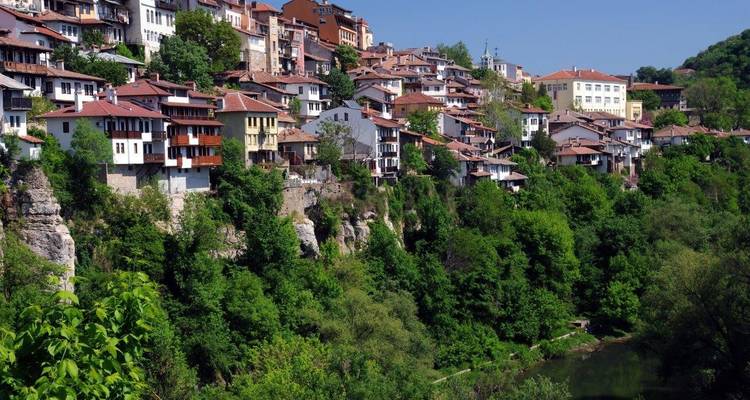
Explore Stara Zagora

A historic Bulgarian city known for its ancient ruins and lively cultural scene.

explore
wb_sunny

24°C / 75°F

Sunny in Stara Zagora

trending_up

Peak Season

High visitor demand

Stara Zagora at a glance

Stara Zagora sits in the heart of Bulgaria’s Thracian Plain, offering a blend of Roman heritage and modern Bulgarian life. The city’s standout features include well‑preserved Roman ruins, a lively central park, and a range of museums that showcase Thracian, Roman, and medieval artifacts. Its strategic location makes it a gateway to nearby cultural sites and natural landscapes.

palette Culture & Art
restaurant_menu Culinary Heritage
Stara Zagora View
Stara Zagora Landmark
Stara Zagora Street

Things to Do in Stara Zagora

Curated experiences led by local experts.

View All Activities arrow_forward

Map View

Explore Stara Zagora on the map

open_in_new Open in Google Maps
place

Stara Zagora

The map is centred on Stara Zagora.

42.432, 25.643

Why travel to Stara Zagora?

Stara Zagora is ideal for travelers seeking cultural immersion, family-friendly sightseeing, and relaxed outdoor activities. The city’s museums, historic forums, and seasonal festivals cater to history enthusiasts, while its parks and nearby hills provide gentle hiking and picnic opportunities. The moderate tourist flow means visitors can enjoy a balanced experience without overcrowding.

palette Culture & Art
restaurant_menu Culinary Heritage
Stara Zagora View
Stara Zagora Landmark
Stara Zagora Street

Stara Zagora travel blogs

Stories and guides connected to Stara Zagora and the surrounding destination.

More in Bulgaria

Browse more city pages across Bulgaria.

Frequently Asked Questions

Where is Stara Zagora located?

expand_more
Stara Zagora lies in central Bulgaria on the Thracian Plain, about 200 km east of Sofia and roughly 150 km north of the Black Sea coast. It serves as a regional hub linking nearby towns such as Kazanlak and Chirpan, and lies near major highways A1 and A2, providing easy road access to other parts of the country.

What is the best time to visit Stara Zagora?

expand_more
The most favorable periods to visit Stara Zagora are late spring (May‑June) and early autumn (September). During these months temperatures are mild, ranging from 15 °C to 25 °C, and the city experiences fewer crowds, making it comfortable for exploring outdoor attractions and attending local festivals.

What is the climate like in Stara Zagora?

expand_more
Stara Zagora has a continental climate characterized by hot, dry summers with average highs around 30 °C and cold winters where temperatures can dip to –2 °C. Spring and autumn are transitional seasons offering pleasant weather, while precipitation is moderate throughout the year, with slightly higher rainfall in late spring.

How many people live in Stara Zagora?

expand_more
Stara Zagora has an estimated population of about 140,000 residents, making it one of Bulgaria’s larger urban centers. The city’s demographic size supports a range of cultural, educational, and commercial activities while retaining a manageable scale for visitors.

Do I need to book accommodation in advance?

expand_more
Because Stara Zagora experiences moderate tourist traffic, especially during the peak spring and early autumn periods, booking hotels or guesthouses ahead of time is advisable to secure preferred options. The current dataset does not list specific accommodation providers, so travelers should consult external booking platforms for available listings.

What are the main historical attractions in Stara Zagora?

expand_more
Key historical sites include the Roman Forum and the remnants of the ancient Roman city of Augusta Trajana, both showcasing stone columns and mosaics. The Regional Historical Museum displays artifacts from Thracian, Roman, and medieval periods, while the nearby Thracian tomb of Kazanlak offers insight into pre‑Roman burial practices.

Are there museums worth visiting?

expand_more
Yes, the Regional Historical Museum provides extensive collections covering the city’s Thracian roots, Roman occupation, and later Bulgarian history. Additionally, the Museum of Natural History presents exhibits on local flora, fauna, and geological features, offering a complementary perspective to the city’s cultural heritage.

What parks or green spaces can I enjoy?

expand_more
Stara Zagora features Central Park (Park “Zagora”), a spacious urban green area with walking paths, a small lake, and recreational facilities. Nearby, the hill of “Baba Vida” offers panoramic city views and marked trails suitable for casual hikes, making both locations popular for relaxation and outdoor activities.

Is there a cultural calendar or events?

expand_more
The city hosts several annual events, such as the International Folklore Festival, which brings together traditional music and dance groups from the region, and the Stara Zagora Summer Fest, featuring live performances, art exhibitions, and local craft markets. These events typically occur between June and August, attracting both locals and visitors.

What types of cuisine are available in Stara Zagora?

expand_more
Restaurants in Stara Zagora generally serve traditional Bulgarian dishes, including banitsa (cheese pastry), kavarma (stewed meat and vegetables), and grilled meats accompanied by salads and local wines. The dataset does not list specific dining establishments, so travelers should explore city centre streets for a variety of culinary options.