 Lilshira


Explore Stavanger, Norway
Discover Norway’s coastal gem, known for historic charm and stunning fjords.
24°C / 75°F
Sunny in Stavanger
Peak Season
High visitor demand
Stavanger at a glance
Stavanger, Norway’s fourth‑largest city, is home to roughly 130,000 residents. It enjoys a temperate maritime climate with mild winters and cool, often rainy summers. The most favourable period for visitors is late spring through early autumn, typically May to September, when daylight is abundant and weather conditions support outdoor activities.

Things to Do in Stavanger
Curated experiences led by local experts.

Magic of the Fjords & Stockholm
9 Days • Experience
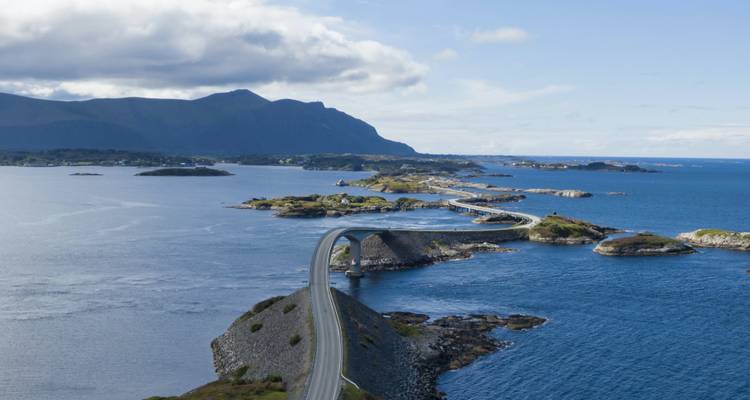
Norwegian Fjords, Charm and Traditions
8 Days • Experience

Fjords, Charm and Traditions & Stockholm
10 Days • Experience

Tailor-Made Private 5 Days Norway Trip to Chase the Northern Lights
5 Days • Experience
From EUR3,892
Map View
Explore Stavanger on the map
Stavanger
The map is centred on Stavanger.
Why travel to Stavanger?
Stavanger suits a range of trips, from short city breaks that explore its wooden old town and museums to adventure‑focused itineraries that use the city as a gateway to nearby fjords, hiking trails, and island excursions. Its blend of cultural heritage and access to dramatic natural scenery makes it ideal for history enthusiasts, nature lovers, and outdoor enthusiasts alike.
Stavanger travel blogs
Stories and guides connected to Stavanger and the surrounding destination.
What should you know before visiting Norway? A quick country guide
You should know that Norway’s weather shifts dramatically, travel costs are high, and the country runs on a reliable pub...
What are the hidden gems of Norway? Explore the unseen wonders
Norway’s hidden gems are secluded fjords, quiet mountain villages, and lesser‑known coastal islands that reveal dramatic...
Is Norway safe for travellers? Complete safety guide
Yes, Norway is considered very safe for travellers, with low crime rates, well‑maintained infrastructure and transparent...
What is a good itinerary for Norway? Discover a 10‑Day Classic Route from Oslo to the Arctic
A solid 10‑day itinerary lets you experience Norway’s urban culture, dramatic fjords and Arctic wilderness without feeli...
What is the best time to visit Norway? A complete seasonal guide
The best time to visit Norway depends on what you want to experience. For long days, mild weather and easy access to fjo...
How many days are enough to visit Norway? Find the perfect length
A 7‑10 day itinerary is generally enough to capture Norway’s highlights without feeling rushed. One week lets you see Os...
More in Norway
Browse more city pages across Norway.