 Lilshira


Discover Tunis, Tunisia
A vibrant Mediterranean capital where ancient ruins meet modern life.
24°C / 75°F
Sunny in Tunis
Peak Season
High visitor demand
Tunis at a glance
Tunis, the capital of Tunisia, sits on the edge of the Mediterranean Sea and blends centuries‑old history with contemporary urban energy. From the UNESCO‑listed Medina to the nearby ruins of Carthage, the city offers a rich tapestry of cultural landmarks, bustling souks, and seaside promenades, making it a distinctive destination in North Africa.

Things to Do in Tunis
Curated experiences led by local experts.
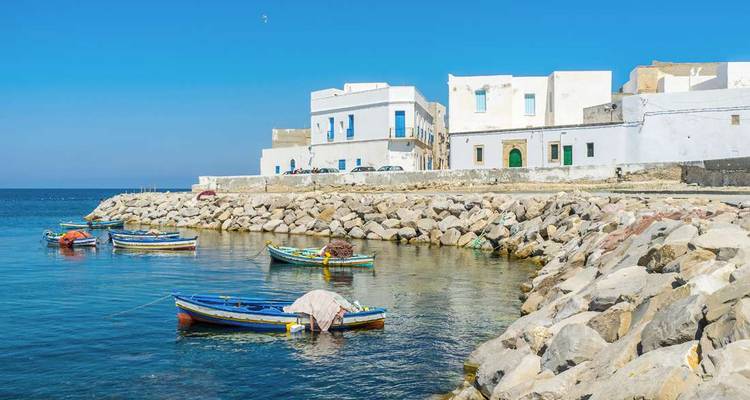
Tunisia Explorer
12 Days • Experience
From EUR3,195

Tunisia, All-inclusive Beach Stay!
3 Days • Experience

From Tunis Hammamet & Sousse to the desert : a 3 day Sahara adventure
3 Days • Experience
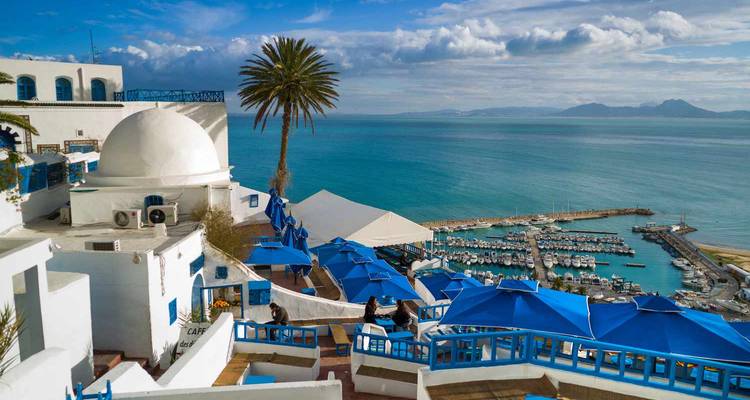
Tunisia: From Carthage to the Oases – A 10-Day Odyssey Bridging History and the Sahara
10 Days • Experience
From EUR3,390
Map View
Explore Tunis on the map
Tunis
The map is centred on Tunis.
Why travel to Tunis?
The city appeals to travelers seeking cultural immersion, historic exploration, and coastal relaxation. Its blend of archaeological sites, museums, traditional markets, and easy access to beaches suits heritage tourists, food enthusiasts, and those looking for day‑trip seaside experiences alike, especially during the mild spring and autumn seasons.
Tunis travel blogs
Stories and guides connected to Tunis and the surrounding destination.
What should you know before visiting Tunisia? A quick country guide
Before you set foot in Tunisia, check visa requirements, pick the right season, and plan transport and budget. Most tour...
What are the hidden gems of Tunisia? Explore Off‑the‑Radar Treasures
The hidden gems of Tunisia are scattered across quiet mountain villages, secluded beaches, remote desert oases and lesse...
Is Tunisia Safe for Travellers? What You Need to Know
Yes, Tunisia is considered safe for most travellers, especially in popular tourist zones such as Tunis, Sousse and the i...
What is a good itinerary for Tunisia? Your 7‑Day Travel Plan
A solid itinerary for Tunisia is a 7‑day loop that starts in Tunis, visits Carthage and Sidi Bou Said, heads inland to K...
What is the best time to visit Tunisia? Seasonal guide for travelers
The best time to visit Tunisia is from late March to early May or from late September to early November. These shoulder‑...
How many days are enough to visit Tunisia? Planning your perfect stay
A ten‑day itinerary hits the sweet spot for most visitors. Most seasoned travellers recommend ten to twelve days to blen...
More in Tunisia
Browse more city pages across Tunisia.