
Tunisia Coast

Discover Tunisia

A Mediterranean gateway of historic sites, vibrant cities and diverse landscapes.

4 Tours
6 Guides
5 Cities
payments

Currency

Tunisian dinar (TND)

translate

Language

Arabic (official), French widely used

groups

Population

≈12 million

passport

Visa

Visa required for most travelers; e‑visa available

security

Safety

Generally safe for tourists; stay aware of local advisories

savings

Travel Cost

Moderate; budget‑friendly compared with Western Europe

wb_sunny

Best Visit

Spring (Mar‑May) and autumn (Sep‑Oct)

Tunisia at a glance

Tunisia blends Mediterranean coastlines with ancient desert interiors, offering a mix of historic architecture, bustling markets and scenic beaches. Its major cities—Tunis, Sfax, Sousse, Kairouan, Bizerte, Hammamet and others—highlight the country’s cultural depth and modern vibrancy, making it a distinctive destination in North Africa.
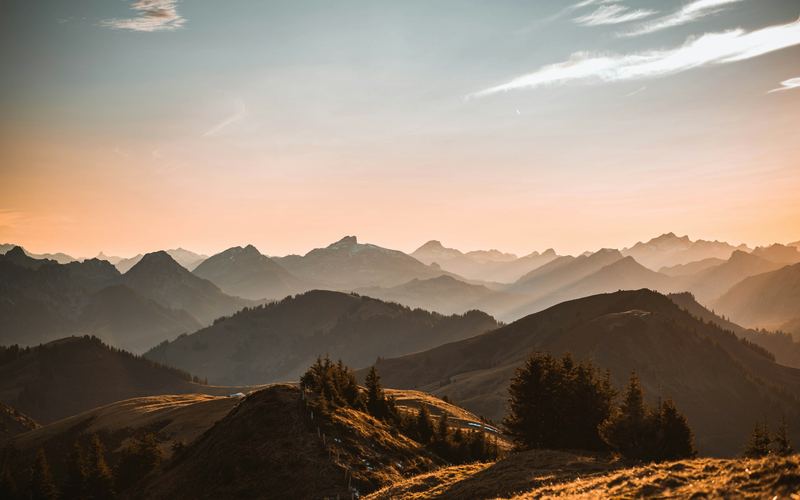
Tunisia view Tunisia view

Map View

Explore Tunisia on the map

Centered on the country’s main cities and scaled to keep the full destination in view.

place 5 Attractions public Google Maps style
search
Search area
Tunisia
Country location
Tunisia
Centred from 5 city points.
open_in_new Open in Google Maps

Tunisia travel overview

The country suits a range of trips: cultural tours explore Roman ruins and Islamic heritage; beach holidays enjoy the warm waters of Sousse and Hammamet; and desert excursions reveal the stark beauty of the Sahara. With moderate travel costs and a climate that varies from Mediterranean to arid, Tunisia adapts to diverse traveler interests.

Tunisia view Tunisia view

Essential Travel Tips

Book Early

Popular routes and hotels fill quickly in peak season.

Mix Transport

Use trains between cities and local transit inside centers.

Stay Central

Base yourself near a walkable area to save time.

Cash Ready

Some small vendors still prefer cash for smaller purchases.

Pack Smart

Comfortable shoes matter more than anything else.

Frequently Asked Questions

Do I need a visa to travel to Tunisia? expand_more
Most travelers must obtain a visa before arrival, though many nationalities can apply for an electronic visa (e‑visa) online. The process typically requires a passport valid for at least six months, a completed application form and a fee. Check the latest requirements from the Tunisian consulate or official visa portal before booking.
What is the best time of year to visit Tunisia? expand_more
The optimal periods are spring (March to May) and autumn (September to October) when temperatures are mild across the coast and inland. These seasons provide comfortable weather for sightseeing, beach activities and desert trips, while avoiding the peak summer heat of the interior and the cooler, wetter winter months.
Which currency is used in Tunisia and can I use credit cards? expand_more
Tunisia uses the Tunisian dinar (TND). Major hotels, restaurants and larger shops in tourist areas accept credit cards, especially Visa and Mastercard. Smaller establishments, markets and rural vendors often prefer cash, so it’s advisable to carry some dinars for everyday purchases and tip‑based services.
What languages are spoken in Tunisia? expand_more
Arabic is the official language of Tunisia. French is widely spoken in business, tourism and education, and many signs and menus are available in both languages. In popular tourist zones, staff at hotels, restaurants and travel agencies often have basic English skills, making communication manageable for English‑speaking visitors.
How safe is Tunisia for solo travelers? expand_more
Tunisia is generally safe for tourists, including solo travelers, especially in well‑visited cities and coastal resorts. Standard precautions such as avoiding isolated areas after dark, keeping valuables secure and staying informed about local news are recommended. Some border regions are less frequented and may have higher security alerts.
Which cities should I include in a 10‑day itinerary? expand_more
A balanced 10‑day itinerary can cover Tunis (capital and historic medina), Carthage’s archaeological sites, Sousse for beaches, Kairouan for spiritual heritage, and a desert excursion to Douz or Tozeur. Adding Bizerte for its port charm or Hammamet for seaside relaxation provides variety without excessive travel time.
What climate can I expect in different parts of Tunisia? expand_more
Coastal areas enjoy a Mediterranean climate with mild, wet winters and warm, dry summers. Inland and southern regions shift to a semi‑arid and desert climate, featuring hot summers, cooler nights and minimal rainfall. Spring and autumn provide the most pleasant temperatures across both zones.
What are typical travel costs for accommodation and meals? expand_more
Tunisia offers a range of options: budget hostels or guesthouses start at around $15‑$30 USD per night, mid‑range hotels cost $50‑$100 USD, and luxury resorts exceed $150 USD. Meals at local restaurants are affordable, with a typical dish costing $5‑$12 USD, while tourist‑focused venues may charge $15‑$25 USD.
How can I travel between major Tunisian cities? expand_more
Inter‑city buses and shared taxis (louages) connect most major towns, offering frequent service at low cost. The national railway (SNCFT) runs routes between Tunis, Sousse, Sfax and other coastal cities. For faster travel, domestic flights operate between Tunis‑Carthage Airport and destinations like Djerba and Tozeur.
Are there direct flights from Europe to Tunis? expand_more
Yes, several European airlines operate direct flights to Tunis‑Carthage International Airport from cities such as Paris, Rome, Frankfurt, Madrid and London. Flight duration ranges from 2 to 3 hours, and low‑cost carriers also provide seasonal services, making Tunisia easily reachable from most major European hubs.