 Lilshira


Explore Kairouan, Tunisia
Discover the historic heart of Tunisia, famed for its UNESCO heritage and vibrant culture.
24°C / 75°F
Sunny in Kairouan
Peak Season
High visitor demand
Kairouan at a glance
Kairouan, located in central Tunisia, is a city of roughly 180,000 residents known for its deep Islamic heritage and well‑preserved medieval architecture. The climate is characterized by hot, dry summers and mild, wetter winters, making the city comfortable for outdoor exploration during the cooler months. Its status as a UNESCO World Heritage site highlights its unique cultural and historical significance in North Africa.

Things to Do in Kairouan
Curated experiences led by local experts.
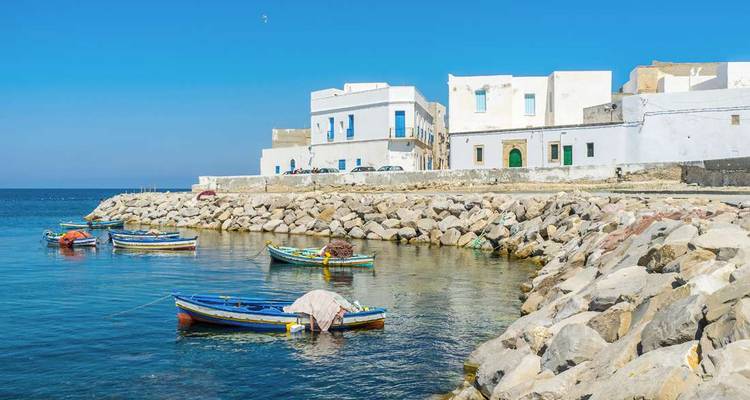
Tunisia Explorer
12 Days • Experience
From EUR3,195

Tunisia, All-inclusive Beach Stay!
3 Days • Experience

From Tunis Hammamet & Sousse to the desert : a 3 day Sahara adventure
3 Days • Experience
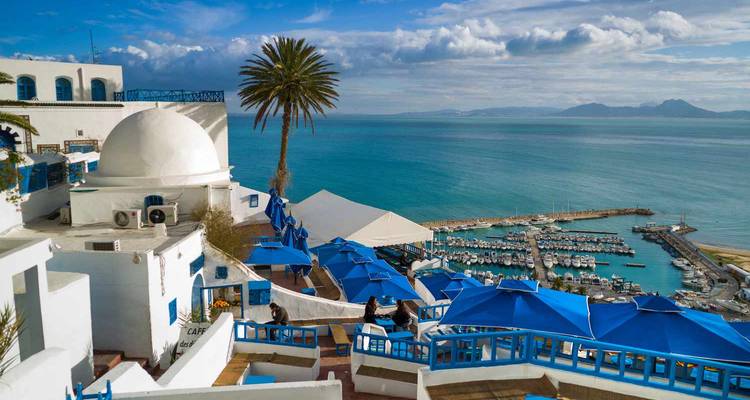
Tunisia: From Carthage to the Oases – A 10-Day Odyssey Bridging History and the Sahara
10 Days • Experience
From EUR3,390
Map View
Explore Kairouan on the map
Kairouan
The map is centred on Kairouan.
Why travel to Kairouan?
Kairouan is ideal for travelers seeking cultural and religious immersion, historic tours, and authentic Tunisian experiences. Visitors can spend several days exploring ancient mosques, traditional souks, and museums that showcase the city’s role in Islamic scholarship. The moderate spring and autumn weather enhances walking tours, while the city’s compact layout makes it suitable for both independent itineraries and guided group trips.
Kairouan travel blogs
Stories and guides connected to Kairouan and the surrounding destination.
What is a good itinerary for Tunisia? Your 7‑Day Travel Plan
A solid itinerary for Tunisia is a 7‑day loop that starts in Tunis, visits Carthage and Sidi Bou Said, heads inland to K...
What should you know before visiting Tunisia? A quick country guide
Before you set foot in Tunisia, check visa requirements, pick the right season, and plan transport and budget. Most tour...
What are the hidden gems of Tunisia? Explore Off‑the‑Radar Treasures
The hidden gems of Tunisia are scattered across quiet mountain villages, secluded beaches, remote desert oases and lesse...
Is Tunisia Safe for Travellers? What You Need to Know
Yes, Tunisia is considered safe for most travellers, especially in popular tourist zones such as Tunis, Sousse and the i...
What is the best time to visit Tunisia? Seasonal guide for travelers
The best time to visit Tunisia is from late March to early May or from late September to early November. These shoulder‑...
How many days are enough to visit Tunisia? Planning your perfect stay
A ten‑day itinerary hits the sweet spot for most visitors. Most seasoned travellers recommend ten to twelve days to blen...
More in Tunisia
Browse more city pages across Tunisia.