 Lilshira


Discover Vienna, Austria
Experience the historic capital’s art, music, and café culture.
24°C / 75°F
Sunny in Vienna
Peak Season
High visitor demand
Vienna at a glance
Vienna, the capital of Austria, stands out for its imperial heritage, world‑renowned music legacy, and well‑preserved architecture. The city blends grand palaces, historic churches, and vibrant museum districts with a lively café scene, offering visitors a unique mix of cultural depth and modern convenience.

Things to Do in Vienna
Curated experiences led by local experts.

Vienna to Rome Trail (Standard, Summer ( Until Mar '27), Age 18-22)
9 Days • Experience
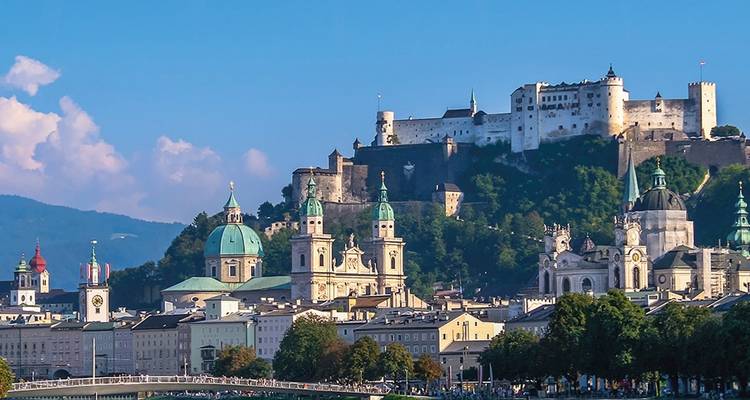
Country Roads of Bavaria, Switzerland & Austria (Classic)
12 Days • Experience
From EUR4,226

Vienna to Belgrade; Semi – Private Tour with Dedicated Tour Leader & Car
9 Days • Experience
From EUR2,530
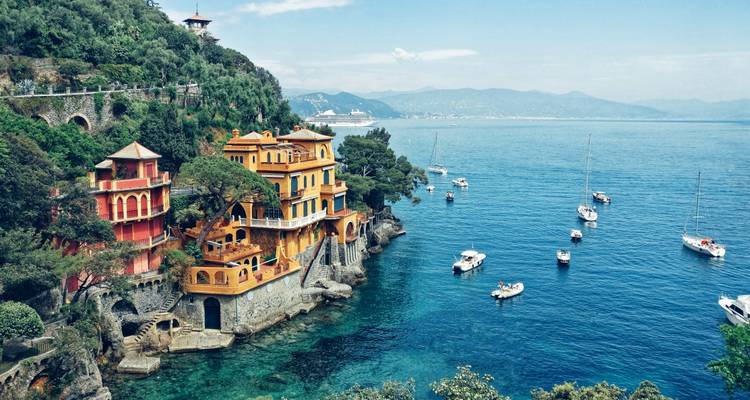
Highlights of Europe from Vienna to Rome; Semi – Private Tour with Dedicated Tour Leader & Car
14 Days • Experience
From EUR3,936
Map View
Explore Vienna on the map
Vienna
The map is centred on Vienna.
Why travel to Vienna?
Vienna suits cultural explorers, history enthusiasts, music lovers, and foodies alike. Its museums, concert halls, and traditional eateries provide rich experiences, while family‑friendly parks and interactive attractions make it ideal for groups. Whether you seek a short city break or an extended immersion in Central European culture, Vienna offers a balanced itinerary for all travel styles.
Vienna travel blogs
Stories and guides connected to Vienna and the surrounding destination.
What Should You Know Before Visiting Austria – Complete Country Guide
The essentials before visiting Austria are the optimal travel season, transport network, budget expectations, cultural e...
What Is a Good Itinerary for Austria? A 7‑Day Travel Plan
A solid 7‑day itinerary lets you experience Austria’s highlights without rushing. Spend three days in Vienna for museums...
How Many Days Are Enough to Visit Austria? Find Your Perfect Length
Eight to ten days is generally enough to experience Austria’s highlights without feeling rushed. This span lets you expl...
What are the hidden gems of Austria? A guide to secret wonders
Austria’s hidden gems are the tranquil Salzkammergut lakes, the medieval town of Gmünd, the emerald‑green Wachau vineyar...
Is Austria Safe for Travellers? What You Need to Know
Yes, Austria is generally safe for travellers. Crime rates are low, police are visible in cities, and the country ranks...
What is the Best Time to Visit Austria? Seasonal Overview
The best time to visit Austria is late spring (May‑June) and early autumn (September‑October). These shoulder‑season mon...
More in Austria
Browse more city pages across Austria.