 Lilshira


Discover Austria
From Vienna’s historic charm to Alpine vistas, Austria offers diverse experiences for every traveler.
Currency
Euro (EUR)
Language
German
Population
≈ 9 million
Visa
Schengen visa required for non‑EU travelers
Safety
Generally safe with low crime rates
Travel Cost
Moderate
Best Visit
April – October
Austria at a glance
Austria combines historic capitals with Alpine scenery, making it a standout destination in Central Europe. With 20 recognized cities—including Vienna, Salzburg, Graz, Linz, and Innsbruck—travelers can experience imperial architecture, world‑class music heritage, and mountain landscapes all within a compact, well‑connected country.


Tours & Activities
Curated experiences led by local experts.

Vienna to Rome Trail (Standard, Summer ( Until Mar '27), Age 18-22)
9 Days • Curated activity
From $0
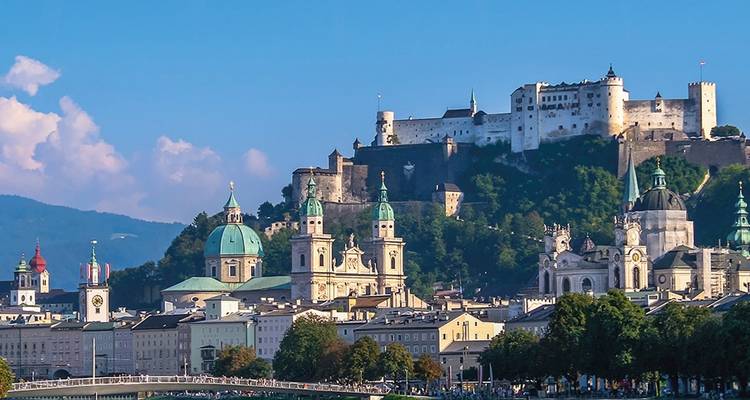
Country Roads of Bavaria, Switzerland & Austria (Classic)
12 Days • Curated activity
From $4,226

Vienna to Belgrade; Semi – Private Tour with Dedicated Tour Leader & Car
9 Days • Curated activity
From $2,530
Highlights of Europe from Vienna to Rome; Semi – Private Tour with Dedicated Tour Leader & Car
14 Days • Curated activity
From $3,936
Map View
Explore Austria on the map
Centered on the country’s main cities and scaled to keep the full destination in view.
Austria travel overview
The country suits cultural city tours, music and art pilgrimages, as well as outdoor adventures in the Alps. Whether you’re exploring museums in Vienna, attending festivals in Salzburg, or hiking near Innsbruck, Austria offers a balanced mix of urban attractions and natural beauty that fits short breaks and longer explorations alike.
Cities in Austria
Explore the main cities in Austria and open each one for more local details.

Brigittenau
Döbling
Donaustadt
Favoriten
Floridsdorf
Fünfhaus
Graz
Hernals
Innsbruck
Klagenfurt am Wörthersee
Landstraße
Linz
Margareten
Meidling
Ottakring
Penzing
Salzburg
Simmering
Vienna
Villach
Essential Travel Tips
Book Early
Popular routes and hotels fill quickly in peak season.
Mix Transport
Use trains between cities and local transit inside centers.
Stay Central
Base yourself near a walkable area to save time.
Cash Ready
Some small vendors still prefer cash for smaller purchases.
Pack Smart
Comfortable shoes matter more than anything else.
Travel guides for Austria
Practical answers for planning your trip to Austria.