 Lilshira


Explore Windhoek, Namibia
Discover the capital’s blend of culture, history, and desert charm.
24°C / 75°F
Sunny in Windhoek
Peak Season
High visitor demand
Windhoek at a glance
Windhoek, the capital of Namibia, serves as the country's political and cultural hub. The city showcases a unique mix of German colonial architecture and African heritage, offering visitors historic landmarks, vibrant markets, and a gateway to Namibia’s renowned natural attractions. Its central location makes it a convenient base for exploring the wider region.

Things to Do in Windhoek
Curated experiences led by local experts.
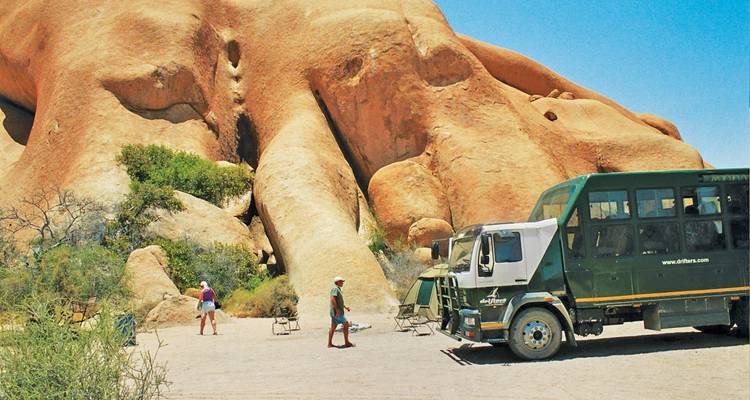
11 Day Wild Namibia Pioneer (Camping)
9 Days • Experience
From EUR1,799
Quintessential Namibia
12 Days • Experience

Taste of Namibia 7 Days DEPARTING MONDAYS AND WEDNESDAYS **Sustainable Approach to Travel
7 Days • Experience
From EUR3,102
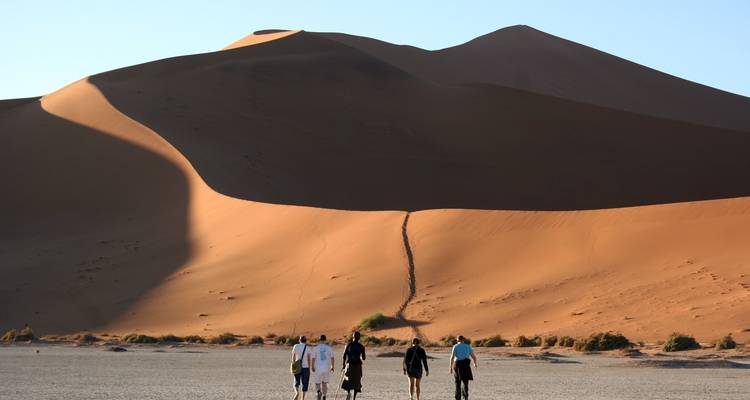
Classic Namibia 12 Days DEPARTING SATURDAYS **Sustainable Approach to Travel
12 Days • Experience
From EUR3,731
Map View
Explore Windhoek on the map
Windhoek
The map is centred on Windhoek.
Why travel to Windhoek?
Windhoek is well‑suited for cultural explorers, safari‑bound travelers, and business visitors alike. The city provides easy access to museums, historic sites, and local cuisine, while also acting as a departure point for trips to the Namib Desert, Etosha National Park, and coastal destinations. Its moderate size and range of services accommodate both short stays and longer itineraries.
Windhoek travel blogs
Stories and guides connected to Windhoek and the surrounding destination.
Is Namibia safe for travellers? What you need to know
Yes, Namibia is considered safe for most travellers, especially in well‑touristed areas such as Etosha National Park, Sw...
What should you know before visiting Namibia? A quick country guide
You should know that Namibia is a vast, dry country where self‑drive is the most flexible way to explore, visas are simp...
What are the hidden gems of Namibia? A guide to secret spots
Namibia’s hidden gems include the surreal Deadvlei in the Namib Desert, the remote Waterberg Plateau, the lush Epupa Fal...
What is a good itinerary for Namibia? A 10‑14‑day adventure
A good itinerary for Namibia is a 10‑ to 14‑day loop that blends iconic desert dunes, rugged coastline and world‑class w...
What is the Best Time to Visit Namibia? A Seasonal Overview
The best time to visit Namibia is from May to October, during the dry winter season. These months bring comfortable dayt...
How many days are enough to visit Namibia? Find the perfect length
A 10‑ to 14‑day itinerary is enough to experience Namibia’s key sights without feeling rushed. Ten days cover the classi...
More in Namibia
Browse more city pages across Namibia.