Namibia Coast

Explore Namibia

Discover Namibia’s diverse landscapes, vibrant cities, and travel essentials.

21 Tours
6 Guides
5 Cities
payments

Currency

Namibian dollar (NAD)

translate

Language

English

groups

Population

Approximately 2.5 million

passport

Visa

Visa required for most travelers; e‑visa and visa‑on‑arrival options available for select nationalities

security

Safety

Generally safe for tourists with standard precautions

savings

Travel Cost

Moderate; daily budget around $50‑$100

wb_sunny

Best Visit

May to October (dry season)

Namibia at a glance

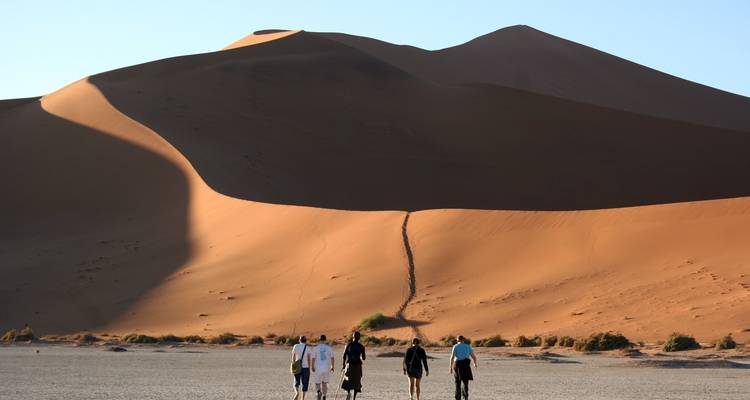
Namibia, located in Southern Africa, offers a mix of arid deserts, coastal towns, and a network of over twenty cities including Windhoek, Swakopmund, and Walvis Bay. The country experiences an arid climate with low rainfall, making the dry months from May to October especially comfortable for travel. Visitors benefit from a generally safe environment and English as the official language, facilitating easy communication.

Namibia view Namibia view

Map View

Explore Namibia on the map

Centered on the country’s main cities and scaled to keep the full destination in view.

place 5 Attractions public Google Maps style
search
Search area
Namibia
Country location
Namibia
Centred from 5 city points.
open_in_new Open in Google Maps

Namibia travel overview

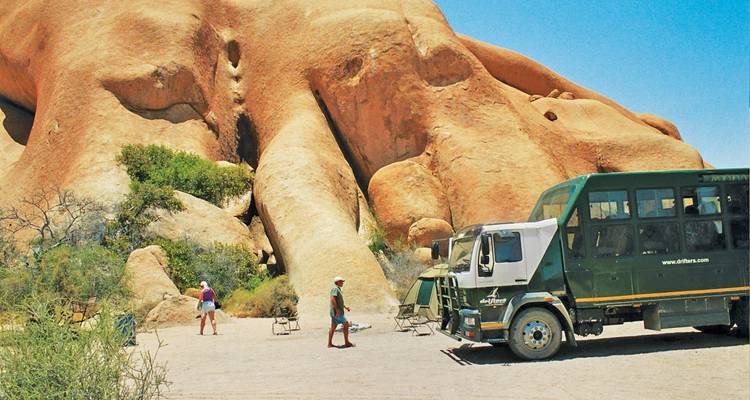
The country’s varied terrain supports road‑trip adventures across the desert, coastal explorations of towns like Swakopmund, and cultural visits to urban centers such as Windhoek and Rundu. The moderate travel cost and reliable safety conditions make Namibia suitable for budget‑conscious travelers, wildlife enthusiasts, and those seeking outdoor experiences during the dry season.

Namibia view Namibia view

Essential Travel Tips

Book Early

Popular routes and hotels fill quickly in peak season.

Mix Transport

Use trains between cities and local transit inside centers.

Stay Central

Base yourself near a walkable area to save time.

Cash Ready

Some small vendors still prefer cash for smaller purchases.

Pack Smart

Comfortable shoes matter more than anything else.

Frequently Asked Questions

What is the best time of year to travel to Namibia? expand_more
The optimal travel period is from May through October, which corresponds to the dry season. During these months, rainfall is minimal, temperatures are moderate, and wildlife viewing conditions are favorable across the country’s national parks and reserves.
Do I need a visa to enter Namibia and how can I obtain it? expand_more
Most travelers must obtain a visa before arrival. Namibia offers an e‑visa system that can be completed online, and certain nationalities are eligible for a visa‑on‑arrival. Applicants should check the specific requirements for their citizenship and apply accordingly.
What currency should I use in Namibia and can I use other currencies? expand_more
The official currency is the Namibian dollar (NAD). South African rand is also widely accepted in many establishments, especially in border areas and tourist hubs. Credit cards are commonly used in larger cities, while cash is advisable for remote locations.
How much should I budget per day for a trip to Namibia? expand_more
A moderate daily budget of roughly $50 to $100 covers accommodation in mid‑range lodges, meals, local transportation, and entry fees to attractions. Costs can vary based on travel style, with backpackers spending less and those opting for private tours spending more.
Which cities are recommended to include in a Namibia itinerary? expand_more
Key cities include Windhoek, the capital and main gateway; Swakopmund and Walvis Bay on the Atlantic coast; Rundu in the north; and Oshakati and Katima Mulilo near the borders. These locations provide access to cultural sites, coastal scenery, and entry points for inland adventures.
What language will I encounter most commonly in Namibia? expand_more
English is the official language and is used in government, business, and tourism. It is the primary language heard in hotels, restaurants, and tour operators, making communication straightforward for most international visitors.
What climate can I expect during a visit to Namibia? expand_more
Namibia has an arid desert climate with hot temperatures in the summer months and milder conditions in winter. Rainfall is scarce throughout the year, and the dry season from May to October offers the most stable weather for travel.
How safe is Namibia for solo travelers? expand_more
Namibia is generally regarded as safe for solo travelers. Standard precautions such as avoiding isolated areas after dark, keeping valuables secure, and staying informed about local conditions are recommended to ensure a trouble‑free experience.
What are the main attractions in Namibia’s coastal towns? expand_more
Coastal towns like Swakopmund and Walvis Bay attract visitors for their oceanfront setting, opportunities for marine activities, and proximity to the Namib Desert dunes. These towns serve as bases for exploring both the shoreline and inland desert landscapes.
What are common ways to travel between Namibia’s major cities? expand_more
Travel between major cities is typically done by road, using private rental cars or scheduled bus services. Domestic flights are also available on key routes, providing faster connections for longer distances such as Windhoek to Walvis Bay.