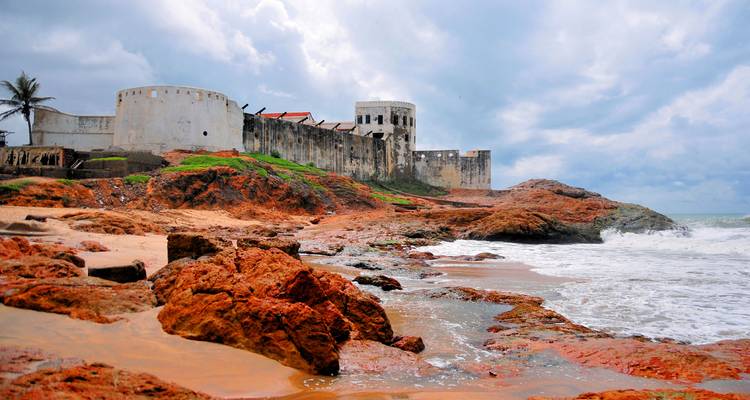
Ghana Coast

Explore Ghana

Discover Ghana’s vibrant culture, historic forts, and diverse landscapes.

5 Tours
6 Guides
20 Cities
payments

Currency

Ghanaian cedi (GHS)

translate

Language

English

groups

Population

≈31 million

passport

Visa

Visa required for most; e‑visa available

security

Safety

Generally safe; petty crime possible

savings

Travel Cost

Moderate; $50‑$100 per day

wb_sunny

Best Visit

November – March (dry season)

Ghana at a glance

Ghana, located on West Africa’s Gulf of Guinea, offers a blend of bustling cities, historic sites and natural beauty. With 20 cities including Accra, Kumasi, Tamale, Sekondi‑Takoradi, Cape Coast and others, travelers can experience modern markets, rich Ashanti heritage and coastal forts. The country’s 10‑day Forts and Castles tour highlights UNESCO‑listed landmarks, making Ghana a compelling destination for cultural exploration.

Ghana view Ghana view

Map View

Explore Ghana on the map

Centered on the country’s main cities and scaled to keep the full destination in view.

place 20 Attractions public Google Maps style
search
Search area
Ghana
Country location
Ghana
Centred from 20 city points.
open_in_new Open in Google Maps

Ghana travel overview

Ghana suits travelers seeking cultural and historical experiences, especially those interested in the trans‑Atlantic legacy and African heritage. The 10‑day Forts and Castles itinerary is ideal for groups wanting guided visits to coastal forts, inland museums and natural parks, while shorter trips can focus on Accra’s urban vibe or the northern savanna. Moderate costs and a generally safe environment support both budget and mid‑range travelers.

Ghana view Ghana view

Essential Travel Tips

Book Early

Popular routes and hotels fill quickly in peak season.

Mix Transport

Use trains between cities and local transit inside centers.

Stay Central

Base yourself near a walkable area to save time.

Cash Ready

Some small vendors still prefer cash for smaller purchases.

Pack Smart

Comfortable shoes matter more than anything else.

Frequently Asked Questions

What is the best time of year to visit Ghana? expand_more
The optimal period to travel is November through March, when the country experiences its dry season with lower humidity and minimal rainfall, making outdoor activities and sightseeing more comfortable. During these months temperatures are moderate, especially along the coast, and wildlife viewing is easier.
Do I need a visa to travel to Ghana? expand_more
Most visitors must obtain a visa before arrival, though Ghana offers an online e‑visa system that processes applications within a few days. Citizens of ECOWAS member states travel visa‑free, while some nationalities can receive a visa on arrival for short stays.
How much does a typical daily budget cost in Ghana? expand_more
A typical daily budget ranges from $50 to $100, covering mid‑range accommodation, meals at local restaurants, transport, and entrance fees. Budget travelers can reduce costs by staying in guesthouses and eating street food, while higher‑end visitors may spend more on hotels and guided tours.
Which cities should I include in a 10‑day itinerary? expand_more
A balanced 10‑day itinerary often includes Accra for museums and markets, Cape Coast to explore historic forts, Kumasi for Ashanti cultural sites, and Tamale to experience northern traditions. Adding a day in Sekondi‑Takoradi provides coastal scenery, while a visit to Koforidua offers waterfalls.
What cultural customs should I be aware of as a visitor? expand_more
Visitors should greet locals with a handshake or a slight bow, remove shoes when entering homes, and dress modestly in rural areas. It is respectful to ask permission before photographing people, and using basic greetings in English or local languages such as Twi is appreciated.
What are the main attractions in Accra? expand_more
Accra’s key attractions include the Kwame Nkrumah Mausoleum, the bustling Makola Market, the historic Jamestown district, and the National Museum. The city also offers the Arts Centre for crafts, Labadi Beach for seaside relaxation, and the vibrant Osu nightlife area.
Which historic forts can be visited along the coast? expand_more
Along Ghana’s Atlantic coast, travelers can visit Fort San San, Cape Coast Castle, Elmina Castle, Fort William, and Fort Amsterdam. These sites, many dating to the 17th and 18th centuries, illustrate the country’s role in the trans‑Atlantic trade and are UNESCO World Heritage locations.
What is the climate like in different regions of Ghana? expand_more
Ghana has a tropical climate with two main rainy seasons (April–June and September–November) and a dry season (December–February). Coastal areas remain hot and humid year‑round, while the interior, such as Kumasi, experiences slightly cooler temperatures, especially during the dry months.
What wildlife or natural sites can be explored in Ghana? expand_more
Nature lovers can explore Kakum National Park’s canopy walkway, the waterfalls at Kintampo, Mole National Park’s savanna wildlife including elephants and antelopes, and the coastal mangroves of the Ankasa Conservation Area. Birdwatching is popular in the wetlands of the Volta region.
How can I travel between major cities like Accra and Kumasi? expand_more
Inter‑city travel is commonly done by coach services such as Metro Mass Transit and private minibuses, which connect Accra, Kumasi, Tamale, and other major towns. Road conditions vary, so allowing extra travel time is advisable, especially during the rainy season.