 Lilshira


Discover Tamale, Ghana
A vibrant northern city known for its markets, culture and warm hospitality.
24°C / 75°F
Sunny in Tamale
Peak Season
High visitor demand
Tamale at a glance
Tamale is the principal city of Ghana's Northern Region, home to roughly 350,000 residents. The city sits in a tropical savanna zone, experiencing a hot dry season from November to April and a rainy season from May to October. Visitors find the most comfortable conditions during the dry months, when temperatures are lower and rainfall is minimal.

Things to Do in Tamale
Curated experiences led by local experts.

Explore Ghana’s Forts and Castles – 10‑Day Cultural Tour
10 Days • Experience
From EUR3,427

Ghanian Adventure 9 Days/8 Nights (Comfort Plus)
9 Days • Experience
From EUR3,040

AfroFuture Ghana Festival 2026 – 8 Days / 7 Nights
8 Days • Experience
From EUR2,527
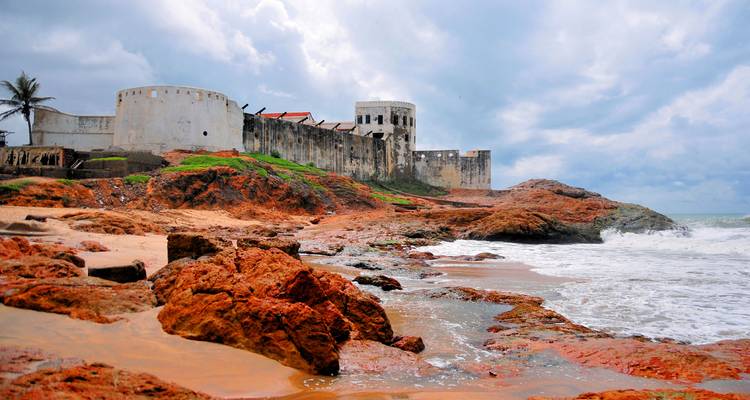
Ghana, Togo, & Benin: Castles, Coastlines and Voodoo Discoveries
16 Days • Experience
From EUR3,239
Map View
Explore Tamale on the map
Tamale
The map is centred on Tamale.
Why travel to Tamale?
Tamale is ideal for cultural immersion trips, market explorations, and festival experiences. Travelers interested in traditional music, dance, and crafts will appreciate the city's bustling markets and community events. The city also serves as a gateway for day trips to nearby historic sites and natural attractions, making it a versatile base for northern Ghana itineraries.
Tamale travel blogs
Stories and guides connected to Tamale and the surrounding destination.
What Should You Know Before Visiting Ghana? A Complete Country Guide
Ghana is safe, affordable, and culturally vibrant, but you need a visa, appropriate vaccinations, and awareness of seaso...
What are the hidden gems of Ghana? A guide to secret treasures
Ghana’s hidden gems include the tranquil Kintampo waterfalls, the historic Nzulezo stilt village, the lush Boti Falls fo...
Is Ghana Safe for Travellers? Essential Safety Overview
Yes, Ghana is considered safe for most travellers, especially in well‑touristed areas such as Accra, Cape Coast and the...
What is a good itinerary for Ghana? A 10‑12‑day guide
A good itinerary for Ghana is a 10‑12‑day loop that starts in Accra, heads to the Cape Coast castles, then Kakum rainfor...
What is the best time to visit Ghana? A seasonal guide
The best time to visit Ghana is from late November to early March. This period falls within the dry season, giving you s...
How many days are enough to visit Ghana? Essential itinerary guide
Ten to twelve days is generally enough to experience Ghana’s highlights without feeling rushed. This span lets you explo...
More in Ghana
Browse more city pages across Ghana.