 Lilshira


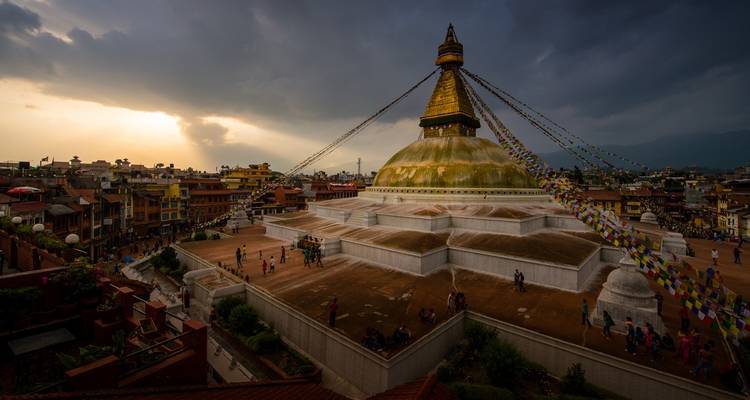
Trek de 18 días por el Circuito Annapurna: aventura clásica en el Himalaya
Cancelación gratuita
Hasta 24 horas de antelación para un reembolso completo.
Entrada móvil
Usa tu teléfono para entrar a tu destino.
Idioma del guía
Inglés, español
Tamaño del grupo
Máximo 12 personas
Descripción
El itinerario está pensado para grupos familiares y de aventura, con una edad mínima recomendada de 8 años. La caminata se clasifica como de nivel moderado, adecuada para quienes tienen experiencia básica en trekking y desean explorar paisajes alpinos sin la exigencia de rutas técnicas. El programa incluye alojamiento en casas de huéspedes y lodges locales, así como desayunos y cenas típicas, lo que permite una inmersión gastronómica auténtica.
Con una calificación promedio de 4.7 sobre 5, el tour se destaca por su enfoque cultural y la atención personalizada del guía. Los participantes pueden esperar una experiencia estructurada pero flexible, con tiempo libre para explorar mercados, templos y rutas panorámicas a su propio ritmo.
Itinerario
Llegada a Katmandú y traslado a Syange
Recepción en Katmandú y salida hacia Syange, inicio del trekking.
Trek por el valle del Marsyangdi hasta Tal y Danaque
Caminata siguiendo el río Marsyangdi con vistas a Annapurna II y Pisang Peak.
De Upper Pisang a Manang – día de aclimatación
Travesía a Manang, visita al monasterio local y caminata al lago glaciar Gangapurna.
Cruce del Thorong La Pass y llegada a Muktinath
Paso de alta montaña y visita a los templos de Muktinath y Jwala Mai.
Descenso a Jomsom y descanso en Tatopani
Trek a Jomsom, traslado a Tatopani y día de relajación en aguas termales.
Trek a Ghorepani y amanecer en Poon Hill
Caminata a través de aldeas Magar y Gurung, subida a Poon Hill para vistas al amanecer y paso por bosques de rododendros.
Regreso a Pokhara y Katmandú, cena de despedida y salida
Traslado a Pokhara, vuelo de regreso a Katmandú, cena de despedida y partida.
Punto de encuentro

Incluido
- task_alt Guide
- task_alt Additional Services
Excluido
- close Gastos personales
- close Propinas y gratificaciones
- close Extras opcionales
- close Seguro de viaje
Preguntas frecuentes
What is included in the price of the Annapurna Circuit Trek?
The quoted price covers a fully guided 18‑day trek, all internal transportation as outlined in the itinerary, accommodation in tea houses or lodges, most meals (breakfast, lunch, and dinner on trekking days), entrance fees to national parks and monuments, and the services of a local guide. It also includes the farewell dinner in Kathmandu. Specifics such as exact meal menus, airport transfers, and optional activities are not detailed in the source information, so you should confirm those items with the operator before booking.
Are there any additional fees that are not part of the quoted price?
Potential extra costs can include visa fees (if required), travel insurance, personal expenses such as souvenirs, tips for guides and porters, optional activities not listed in the program, and any meals or drinks outside the included schedule. Because the source data does not list all possible extras, you should ask the provider for a complete breakdown of any supplemental charges before confirming your booking.
Is travel insurance required or recommended for the Annapurna Circuit Trek?
While the source does not state a mandatory requirement, travel insurance that covers high‑altitude trekking, emergency evacuation, and medical treatment is strongly recommended for any multi‑day trek in the Himalayas. Verify with the operator whether they require proof of insurance and ensure your policy includes coverage for altitudes above 5,000 m and possible helicopter rescue.
When does the 18‑day Annapurna Circuit Trek start each day, and what is the daily schedule like?
The itinerary indicates early morning departures for most trekking days, especially for sunrise hikes such as Poon Hill. Typical days begin around 6:00 am with a brief breakfast, followed by a several‑hour trek, a lunch break at a tea house, and dinner in the evening. Rest days, such as the acclimatization day in Manang, allow for lighter activity and cultural visits. Exact start times may vary with weather and group pace, so confirm the daily schedule with the guide before departure.
How many kilograms of luggage am I allowed to carry on the trek?
The itinerary does not list a luggage allowance. Standard practice on Nepalese treks is to limit personal packs to 12–15 kg, with a separate porter or yak handling the bulk of the gear (usually up to 20 kg). If you prefer to travel light or need assistance, ask the operator about porter services, weight limits, and any additional fees.
Does the tour include airport transfers in Kathmandu?
Airport transfer details are not mentioned in the provided information. Many multi‑day tours arrange pick‑up from Tribhuvan International Airport on arrival and drop‑off on departure day, but this is not guaranteed. Verify with the tour organizer whether airport transportation is part of the package or if you need to arrange it independently.
Do I need a visa to travel to Nepal for this trek?
Visa requirements are not listed in the source data. Most nationalities can obtain a tourist visa on arrival at Tribhuvan International Airport or at land border crossings. The visa is usually valid for 15, 30, or 90 days. Check the latest Nepal immigration guidelines and confirm with the tour provider whether they assist with the visa process.
Is the Annapurna Circuit Trek suitable for solo travelers?
Yes, the trek is designed for groups and welcomes solo travelers. The itinerary lists a “Group” format with a local guide, which provides safety, companionship, and shared costs for porter services. Solo travelers benefit from meeting other trekkers, and most operators arrange a common meeting point in Kathmandu to join the group before heading to the trail.
What fitness level is recommended for completing the Annapurna Circuit Trek?
The trek includes several days of multi‑hour walking, altitude gain up to 5,416 m, and occasional steep ascents. A moderate to high fitness level is recommended; participants should be comfortable walking 5–7 hours per day with a loaded pack. Prior experience with altitude trekking or regular cardio activity (hiking, running, cycling) will improve enjoyment and safety.
Is the trek appropriate for senior travelers over 60?
Senior travelers can undertake the Annapurna Circuit if they are in good health and have prior trekking experience. The itinerary involves high altitude and long days, so a medical clearance is advisable. Some operators offer a slower pace or optional rest days for older participants. Confirm with the tour provider whether they can accommodate a more relaxed schedule and any additional support needed.
Which major attractions are visited during the Annapurna Circuit Trek?
The trek covers a range of cultural and natural highlights: the Marsyangdi River valley, panoramic views of Annapurna II and Pisang Peak, the historic monasteries and lama schools in Manang, the Gangapurna Glacier Lake, the high‑altitude Thorong La Pass, the sacred Muktinath Temple, the Jwala Mai Temple, natural hot springs at Tatopani, and the sunrise viewpoint at Poon Hill. The itinerary also includes visits to local Magar and Gurung villages.
Will there be free time for independent sightseeing in Kathmandu or Pokhara?
The schedule includes an arrival day in Kathmandu and a farewell dinner before departure, but specific free‑time periods are not detailed. Typically, organized treks allocate a half‑day or full‑day at the start and end for sightseeing, allowing travelers to explore Kathmandu’s Durbar Square, Swayambhunath, or Pokhara’s lakeside area. Ask the operator for the exact amount of leisure time built into the itinerary.
Is this tour worth it for first‑time visitors to Nepal?
For a first‑time visitor who wants a comprehensive introduction to the Annapurna region, the 18‑day guided circuit offers structured logistics, cultural immersion, and safe passage over high passes. It eliminates the need to arrange permits, transport, and accommodations independently, which can be complex for newcomers. If you prefer a self‑planned adventure, you may save money but will need to handle all arrangements yourself. Consider your comfort with independent planning when deciding.
What are the advantages of booking a guided Annapurna Circuit Trek versus planning it independently?
A guided trek provides several benefits: professional permits and park fees are handled for you, local guides ensure safety on high passes, porter services reduce the load you carry, and the itinerary includes cultural briefings and emergency support. Independent planning can be cheaper but requires time to secure permits, arrange transport, and find reliable guides or porters. For most travelers, especially those unfamiliar with Nepal’s trekking infrastructure, a guided tour offers peace of mind and smoother logistics.
Which type of traveler gets the most value from the Annapurna Circuit Trek?
Travelers who value cultural immersion, high‑altitude scenery, and a structured group environment gain the most. The tour’s in‑depth cultural component, visits to monasteries, and interaction with Magar and Gurung villages appeal to those interested in local heritage. Additionally, active families, solo adventurers, and trekkers seeking a well‑organized high‑pass experience benefit from the guide, porter support, and pre‑arranged accommodations.
What should I prepare before joining the Annapurna Circuit Trek?
Preparation includes obtaining a Nepal tourist visa (if required), arranging travel insurance with high‑altitude coverage, and completing a health check. Physically, train with regular cardio and hill walks to build stamina. Pack appropriate gear: layered clothing, waterproof jacket, sturdy trekking boots, a sleeping bag rated for sub‑zero temperatures, and a reusable water bottle. Familiarize yourself with altitude sickness symptoms, and consider bringing a basic first‑aid kit. Finally, confirm any missing details—such as meals, transportation, and guide language—with the operator.
También te puede interesar
Más tours en el mismo destino
Nepal
Trek de 25 días por los Pases Altos del Everest y el Pico Island en Nepal
Nepal
Trek de 26 días Jiri‑Everest: aventura en el Himalaya
Nepal
Explora el Lago Tilicho y el Paso Thorung La en un Trek de 21 Días por el Himalaya
Nepal
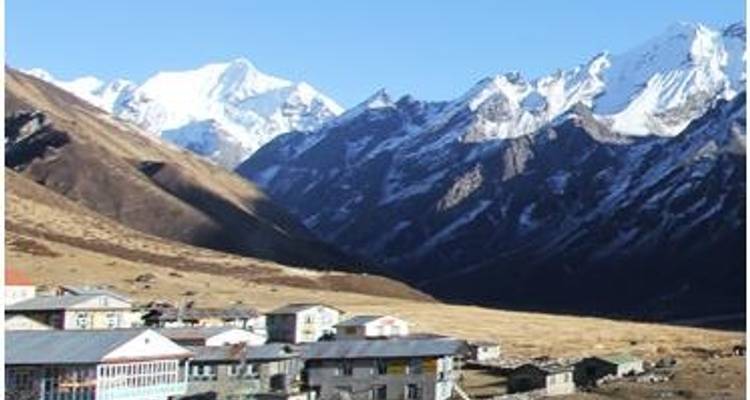
Trek de 19 días por Langtang‑Helambu desde Katmandú
Desde
$0 persona