 Lilshira


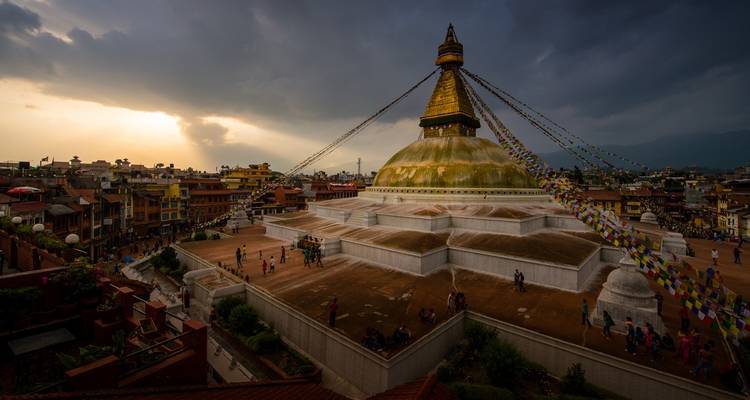
18‑Day Annapurna Circuit Trek – Classic Himalayan Adventure
Free Cancellation
Up to 24 hours in advance for a full refund.
Mobile Ticketing
Use your phone for entry to your destination.
Guide Language
English
Group Size
2 - 13
Description
The trek is suited to active travelers, families with children aged eight and above, and groups seeking an in‑depth cultural experience. With a rating of 4.7, the tour is recognized for its well‑structured itinerary and knowledgeable guides. Participants should be in good physical condition, prepared for moderate to challenging terrain, and equipped for variable weather and altitude. Practical arrangements include daily accommodation in local teahouses, three meals per day, and transport to the trailhead from Kathmandu.
Travelers will return to Kathmandu at the end of the circuit, having covered a diverse landscape that ranges from subtropical forests to alpine passes. The journey offers a balanced mix of hiking, cultural encounters and the opportunity to experience Nepal’s hospitality firsthand.
Itinerary
Arrival in Kathmandu
Meet the guide in Kathmandu, brief orientation and preparation for the trek.
Syange → Danaque (Tal)
Trek along the Marsyangdi River, passing Tal with views of Annapurna II and Pisang Peak, and continue to Danaque.
Danaque → Manang (via Chame & Upper Pisang)
Walk through Chame and Upper Pisang, spotting the Paungda Dada rock face, Annapurna II, and local stupas before reaching Manang.
Manang Acclimatization Day
Visit the Manang monastery, hike to Gangapurna Glacier Lake and rest to adjust to altitude.
Thorong La Pass → Muktinath
Cross the high Thorong La Pass, descend to Muktinath and explore the Muktinath Temple and Jwala Mai Temple.
Descent to Jomsom → Tatopani (Rest Day)
Trek down to Jomsom along the Kali Gandaki River, then relax in Tatopani’s natural hot springs with local food and drinks.
Tatopani → Pokhara (via Ghorepani)
Pass through Magar and Gurung villages to Ghorepani, hike early to Poon Hill for sunrise, then trek through rhododendron forests toward Pokhara.
Pokhara → Kathmandu – Farewell
Return to Kathmandu, enjoy a farewell dinner at a fine restaurant, and prepare for departure the next day.
Meeting Point

Included
- task_alt Guide
- task_alt Additional Services
Excluded
- close Personal Expenses
- close Tips and Gratuities
- close Optional Add-ons
- close Travel Insurance
Frequently Asked Questions
What is included in the price of the Annapurna Circuit Trek?
The quoted price covers a fully guided 18‑day trek, all internal transportation as outlined in the itinerary, accommodation in tea houses or lodges, most meals (breakfast, lunch, and dinner on trekking days), entrance fees to national parks and monuments, and the services of a local guide. It also includes the farewell dinner in Kathmandu. Specifics such as exact meal menus, airport transfers, and optional activities are not detailed in the source information, so you should confirm those items with the operator before booking.
Are there any additional fees that are not part of the quoted price?
Potential extra costs can include visa fees (if required), travel insurance, personal expenses such as souvenirs, tips for guides and porters, optional activities not listed in the program, and any meals or drinks outside the included schedule. Because the source data does not list all possible extras, you should ask the provider for a complete breakdown of any supplemental charges before confirming your booking.
Is travel insurance required or recommended for the Annapurna Circuit Trek?
While the source does not state a mandatory requirement, travel insurance that covers high‑altitude trekking, emergency evacuation, and medical treatment is strongly recommended for any multi‑day trek in the Himalayas. Verify with the operator whether they require proof of insurance and ensure your policy includes coverage for altitudes above 5,000 m and possible helicopter rescue.
When does the 18‑day Annapurna Circuit Trek start each day, and what is the daily schedule like?
The itinerary indicates early morning departures for most trekking days, especially for sunrise hikes such as Poon Hill. Typical days begin around 6:00 am with a brief breakfast, followed by a several‑hour trek, a lunch break at a tea house, and dinner in the evening. Rest days, such as the acclimatization day in Manang, allow for lighter activity and cultural visits. Exact start times may vary with weather and group pace, so confirm the daily schedule with the guide before departure.
How many kilograms of luggage am I allowed to carry on the trek?
The itinerary does not list a luggage allowance. Standard practice on Nepalese treks is to limit personal packs to 12–15 kg, with a separate porter or yak handling the bulk of the gear (usually up to 20 kg). If you prefer to travel light or need assistance, ask the operator about porter services, weight limits, and any additional fees.
Does the tour include airport transfers in Kathmandu?
Airport transfer details are not mentioned in the provided information. Many multi‑day tours arrange pick‑up from Tribhuvan International Airport on arrival and drop‑off on departure day, but this is not guaranteed. Verify with the tour organizer whether airport transportation is part of the package or if you need to arrange it independently.
Do I need a visa to travel to Nepal for this trek?
Visa requirements are not listed in the source data. Most nationalities can obtain a tourist visa on arrival at Tribhuvan International Airport or at land border crossings. The visa is usually valid for 15, 30, or 90 days. Check the latest Nepal immigration guidelines and confirm with the tour provider whether they assist with the visa process.
Is the Annapurna Circuit Trek suitable for solo travelers?
Yes, the trek is designed for groups and welcomes solo travelers. The itinerary lists a “Group” format with a local guide, which provides safety, companionship, and shared costs for porter services. Solo travelers benefit from meeting other trekkers, and most operators arrange a common meeting point in Kathmandu to join the group before heading to the trail.
What fitness level is recommended for completing the Annapurna Circuit Trek?
The trek includes several days of multi‑hour walking, altitude gain up to 5,416 m, and occasional steep ascents. A moderate to high fitness level is recommended; participants should be comfortable walking 5–7 hours per day with a loaded pack. Prior experience with altitude trekking or regular cardio activity (hiking, running, cycling) will improve enjoyment and safety.
Is the trek appropriate for senior travelers over 60?
Senior travelers can undertake the Annapurna Circuit if they are in good health and have prior trekking experience. The itinerary involves high altitude and long days, so a medical clearance is advisable. Some operators offer a slower pace or optional rest days for older participants. Confirm with the tour provider whether they can accommodate a more relaxed schedule and any additional support needed.
Which major attractions are visited during the Annapurna Circuit Trek?
The trek covers a range of cultural and natural highlights: the Marsyangdi River valley, panoramic views of Annapurna II and Pisang Peak, the historic monasteries and lama schools in Manang, the Gangapurna Glacier Lake, the high‑altitude Thorong La Pass, the sacred Muktinath Temple, the Jwala Mai Temple, natural hot springs at Tatopani, and the sunrise viewpoint at Poon Hill. The itinerary also includes visits to local Magar and Gurung villages.
Will there be free time for independent sightseeing in Kathmandu or Pokhara?
The schedule includes an arrival day in Kathmandu and a farewell dinner before departure, but specific free‑time periods are not detailed. Typically, organized treks allocate a half‑day or full‑day at the start and end for sightseeing, allowing travelers to explore Kathmandu’s Durbar Square, Swayambhunath, or Pokhara’s lakeside area. Ask the operator for the exact amount of leisure time built into the itinerary.
Is this tour worth it for first‑time visitors to Nepal?
For a first‑time visitor who wants a comprehensive introduction to the Annapurna region, the 18‑day guided circuit offers structured logistics, cultural immersion, and safe passage over high passes. It eliminates the need to arrange permits, transport, and accommodations independently, which can be complex for newcomers. If you prefer a self‑planned adventure, you may save money but will need to handle all arrangements yourself. Consider your comfort with independent planning when deciding.
What are the advantages of booking a guided Annapurna Circuit Trek versus planning it independently?
A guided trek provides several benefits: professional permits and park fees are handled for you, local guides ensure safety on high passes, porter services reduce the load you carry, and the itinerary includes cultural briefings and emergency support. Independent planning can be cheaper but requires time to secure permits, arrange transport, and find reliable guides or porters. For most travelers, especially those unfamiliar with Nepal’s trekking infrastructure, a guided tour offers peace of mind and smoother logistics.
Which type of traveler gets the most value from the Annapurna Circuit Trek?
Travelers who value cultural immersion, high‑altitude scenery, and a structured group environment gain the most. The tour’s in‑depth cultural component, visits to monasteries, and interaction with Magar and Gurung villages appeal to those interested in local heritage. Additionally, active families, solo adventurers, and trekkers seeking a well‑organized high‑pass experience benefit from the guide, porter support, and pre‑arranged accommodations.
What should I prepare before joining the Annapurna Circuit Trek?
Preparation includes obtaining a Nepal tourist visa (if required), arranging travel insurance with high‑altitude coverage, and completing a health check. Physically, train with regular cardio and hill walks to build stamina. Pack appropriate gear: layered clothing, waterproof jacket, sturdy trekking boots, a sleeping bag rated for sub‑zero temperatures, and a reusable water bottle. Familiarize yourself with altitude sickness symptoms, and consider bringing a basic first‑aid kit. Finally, confirm any missing details—such as meals, transportation, and guide language—with the operator.
You May Also Like
More tours in the same destination
Nepal
Everest High Passes & Island Peak – 25‑Day Trek in Nepal
Nepal
26‑Day Jiri to Everest Base Camp Trek – Himalayan Hiking Experience
Nepal
Explore Tilicho Lake & Thorung La Pass on a 21‑Day Himalayan Trek
Nepal
Langtang‑Helambu 19‑Day Trek from Kathmandu
From
$0 person