


Trek de 25 días por los Pases Altos del Everest y el Pico Island en Nepal
Cancelación gratuita
Hasta 24 horas de antelación para un reembolso completo.
Entrada móvil
Usa tu teléfono para entrar a tu destino.
Idioma del guía
Inglés, español
Tamaño del grupo
Máximo 12 personas
Descripción
El programa está pensado para grupos que buscan una experiencia de trekking moderadamente exigente, con guías de habla inglesa y apoyo parcial en campamentos y alojamientos en casas de té. Se incluyen los permisos de trekking, alojamiento en casas de té, tres comidas diarias y la asistencia de guías locales. Los viajeros pueden complementar la aventura con actividades opcionales como safari en Chitwan, vuelo escénico sobre el Everest, o excursiones en bicicleta de montaña.
Ideal para familias y grupos que desean combinar desafío físico con inmersión cultural, el trek permite adaptarse a diferentes niveles de experiencia y ofrece la flexibilidad de añadir actividades opcionales como compras en Thamel, exploración de Lukla o baños calientes en las casas de té. La salida se realiza desde Katmandú, con traslados internos y regreso al mismo punto al concluir la travesía.
Itinerario
Llegada y turismo cultural en Katmandú
Recepción en Katmandú y visita guiada a los principales sitios religiosos y patrimoniales: Templo Pashupatinath, Stupa Boudhanath y la Plaza Durbar de Bhaktapur.
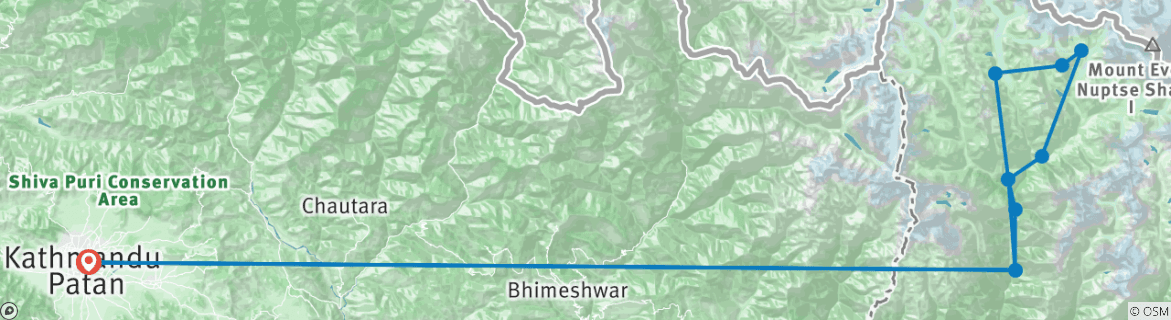
Inicio del trek – Lukla a Namche Bazaar
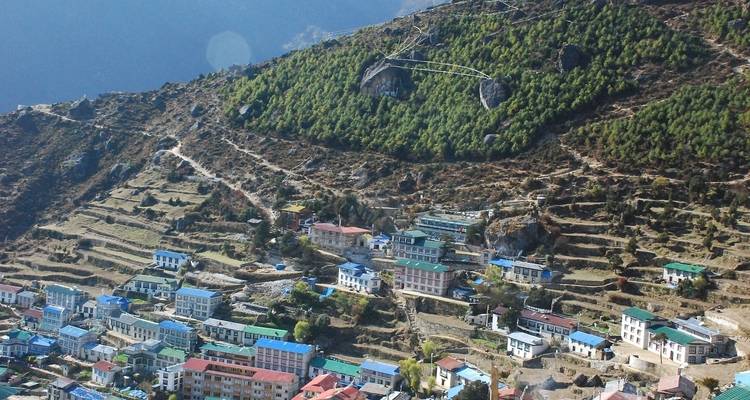
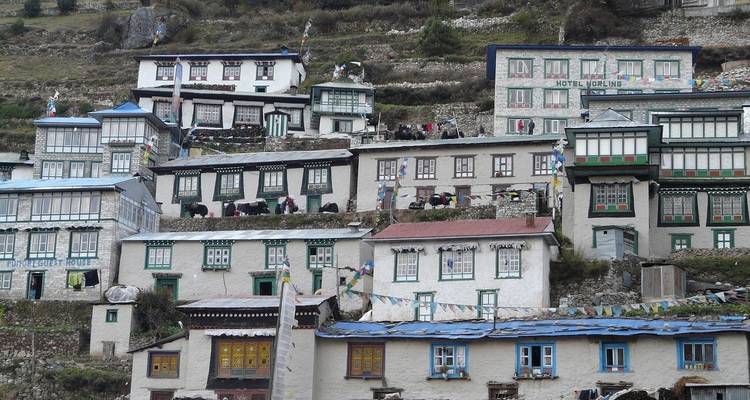
Vuelo a Lukla, trekking a Phakding y luego a Namche Bazaar cruzando puentes sobre el río Dudh Kosi, ingreso al Parque Nacional Sagarmatha y día de aclimatación con visita al museo sherpa y al aeropuerto Syangboche.
Travesía de alta montaña – Yak Kharkas a Cho La
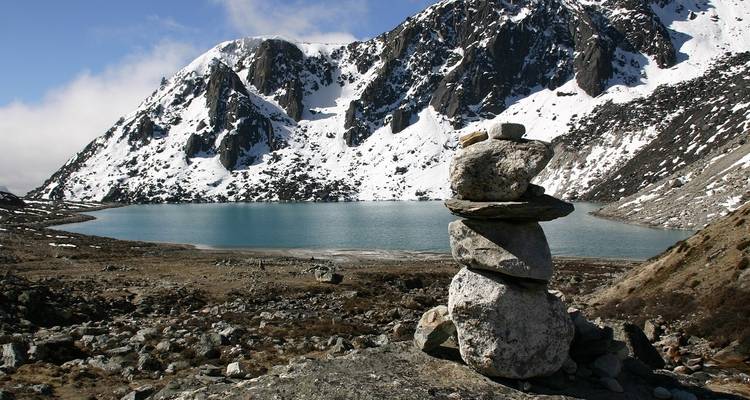
Caminata a través del bosque de rododendros, paso por Yak Kharkas y Machherma, llegada a Gokyo, ascenso a Gokyo Ri (5 483 m) y cruce del paso Cho La (5 300 m) hacia Dzongla.
Campamento Base del Everest y Kalapatthar
Trek a Lobuche y Gorak Shep, ascenso al Monte Kalapatthar (5 555 m) y visita al Campamento Base del Everest (5 365 m) antes de regresar a Lobuche.
Descenso a Chukkung y preparación para Island Peak
Descenso por valles glaciares, cruce de morrenas y paso con banderas de oración hasta Chukkung, luego trekking al Campamento Base de Island Peak en el Valle Imja, con día de aclimatación y entrenamiento de escalada en hielo.
Escalada de Island Peak y regreso por el Valle Imja
Ascenso desde el Campamento Base al High Camp y culminación en la cumbre del Island Peak, seguido del descenso a Tengboche y posterior trek a Namche Bazaar.
Regreso a Katmandú y despedida
Trek a Lukla, vuelo a Katmandú, día libre con cena de despedida en restaurante tradicional y traslado al aeropuerto para la salida.
Punto de encuentro
Incluido
- task_alt Flights
- task_alt Guide
- task_alt Additional Services
Excluido
- close Gastos personales
- close Propinas y gratificaciones
- close Extras opcionales
- close Seguro de viaje
Preguntas frecuentes
What is included in the price of the Everest High Passes and Island Peak tour?
The source lists the following items as part of the package: domestic flights between Kathmandu and Lukla, a professional guide, a private vehicle for the Kathmandu sightseeing day, entrance to the listed cultural sites, all trekking days and accommodations, climbing permits for Island Peak, and additional services such as pre‑ice‑climbing training. Meals, specific accommodation types, and personal equipment are not detailed, so you should confirm those items with the operator before booking.
Are international and domestic flights part of the tour cost?
Domestic flights (Kathmandu ↔ Lukla) are explicitly included in the tour’s listed services. International flights to and from Nepal are not mentioned, so they are not covered by the price and would need to be arranged separately by the traveler.
Can I pay for the Everest High Passes and Island Peak tour in installments?
The source does not provide information about payment options or installment plans. You will need to contact the tour operator directly to ask whether they offer a deposit‑then‑balance schedule or other financing methods.
How much should I budget for personal expenses and tips during the trek?
Personal expenses are not itemised in the source. Travelers usually budget for meals not covered, bottled water, souvenirs, and tips for guides, porters, and cooks. A common guideline is USD 30‑50 per day for these items, but you should confirm the exact expectations with the tour organizer.
When does the 25‑day Everest High Passes and Island Peak itinerary start and end?
The tour runs for 25 days, beginning in Kathmandu with a flight to Lukla and concluding with a return flight from Lukla to Kathmandu. Specific calendar dates are not provided, so you will need to ask the operator which departure windows are available for the season you wish to travel.
Where is the meeting point in Kathmandu for the first flight to Lukla?
The exact meeting location is not listed in the source material. Most Nepal trekking operators meet participants at a designated hotel lobby or directly at Tribhuvan International Airport before the domestic flight. Confirm the precise pick‑up point with the tour provider.
Is airport transfer between Kathmandu’s Tribhuvan Airport and the hotel included?
The provided details do not mention airport transfers. While many tours include a pick‑up from the airport, this cannot be assumed for this itinerary. Ask the operator whether a transfer to your Kathmandu accommodation is part of the package.
Do I need a visa to travel to Nepal for this trek?
Visa requirements are not included in the source data. Most nationalities require a tourist visa, which can be obtained on arrival at Tribhuvan International Airport or online in advance. Verify the current visa policy for your passport and obtain the necessary documentation before departure.
What travel insurance coverage is required for high‑altitude trekking in Nepal?
The itinerary does not state a mandatory insurance level. However, reputable operators usually require a policy that covers emergency evacuation, medical treatment at high altitude, and rescue operations up to at least 7,000 m. Confirm the minimum coverage with the tour company and ensure your policy meets those criteria.
Are there any mandatory health vaccinations or medical certificates for the Everest region?
No specific health requirements are listed in the source. The World Health Organization recommends routine vaccinations, hepatitis A, typhoid, and, for some travelers, a yellow‑fever certificate if arriving from an endemic country. Consult a travel clinic for up‑to‑date advice and any altitude‑related medical clearances you may need.
What fitness level is recommended for the Everest High Passes and Island Peak trek?
The trek includes multiple high passes (up to 5,300 m) and a summit attempt on Island Peak (6,189 m). Participants should have good aerobic fitness, be comfortable walking 5‑7 hours per day with a loaded pack, and have prior trekking experience at altitude. A recent medical check‑up is advisable for anyone with heart or respiratory conditions.
Is this 25‑day trek suitable for families with children?
The tour type mentions family suitability, but the high‑altitude sections and technical climb of Island Peak make it challenging for younger children. Families with teenagers who have prior trekking experience and are in good health can manage the itinerary, provided they are prepared for altitude and cold conditions. Always discuss age‑specific concerns with the operator.
Can senior travelers (55+) safely complete the high passes and Island Peak summit?
Senior participants can join if they have a solid fitness base, no serious medical issues, and obtain clearance from a physician experienced in high‑altitude travel. The itinerary includes gradual acclimatization days, but the final summit push is physically demanding. The operator may offer optional rest days or alternative routes for those who need a reduced pace.
Which major sights and cultural sites are visited during the Kathmandu portion of the tour?
During the Kathmandu sightseeing day, the itinerary includes a guided tour of Pashupatinath Temple, Boudhanath Stupa, and Bhaktapur Durbar Square, all visited with a private vehicle and a professional guide. These sites showcase Nepal’s Hindu and Buddhist heritage and the historic Newari architecture of the Kathmandu Valley.
What are the key highlights of the trekking portion, such as passes and summits?
Key trekking highlights include crossing the Cho La Pass (5,300 m), climbing Gokyo Ri (5,483 m) for panoramic views of the Khumbu region, ascending Mt Kalapatthar (5,555 m), reaching Everest Base Camp (5,365 m), and the summit attempt on Island Peak (6,189 m) after a day of ice‑climbing training. The route also passes the terminal moraine of the Ngozumpu glacier and offers views of the surrounding high peaks.
Is the Everest High Passes and Island Peak tour a good choice for someone visiting Nepal for the first time?
For a first‑time visitor who wants both cultural immersion in Kathmandu and a classic Everest‑region trek, this itinerary provides a comprehensive experience. It combines iconic sites, gradual acclimatization, and a summit climb, which together give a well‑rounded introduction to Nepal’s geography and heritage. However, the trek demands good fitness and preparation for high altitude, so beginners should assess their readiness before committing.
What are the advantages of booking this guided trek compared with organizing the itinerary independently?
Booking the guided Everest High Passes and Island Peak tour secures permits, domestic flights, and logistics such as porters, accommodations, and meals, which can be time‑consuming to arrange on your own. A professional guide handles navigation, altitude monitoring, and emergency response, reducing risk. The package also includes pre‑climb training, cultural briefings, and a structured acclimatization schedule that many independent trekkers find difficult to plan accurately.
También te puede interesar
Más tours en el mismo destino
Nepal
Trek de 26 días Jiri‑Everest: aventura en el Himalaya
Nepal
Explora el Lago Tilicho y el Paso Thorung La en un Trek de 21 Días por el Himalaya
Nepal
Trek de 19 días por Langtang‑Helambu desde Katmandú
Nepal
Trek de 16 Días por el Valle de Langtang y el Paso Ganja La
Desde
$0 persona