 Lilshira


Ascension du Mont Meru en 3 jours – Aventure familiale guidée
Annulation gratuite
Jusqu'à 24 heures à l'avance pour un remboursement complet.
Billetterie mobile
Utilisez votre téléphone pour entrer à votre destination.
Langue du guide
Anglais, espagnol
Taille du groupe
Max 12 personnes
Description
Le programme s’articule autour d’une première journée d’acclimatation et de marche vers le camp de base, d’une deuxième journée d’ascension du sommet principal du Mont Meru, puis d’une descente vers Arusha. Le niveau de difficulté n’est pas précisé, mais une bonne condition physique est recommandée. Aucun repas, hébergement ou transport spécifique n’est indiqué, il convient donc de se préparer en conséquence. La note moyenne de 5,0 reflète les avis disponibles, bien que le nombre exact d’évaluations ne soit pas communiqué.
Itinéraire
Jour 1 – De l'hôtel à Momella Gate puis à la cabane de Miriakamba
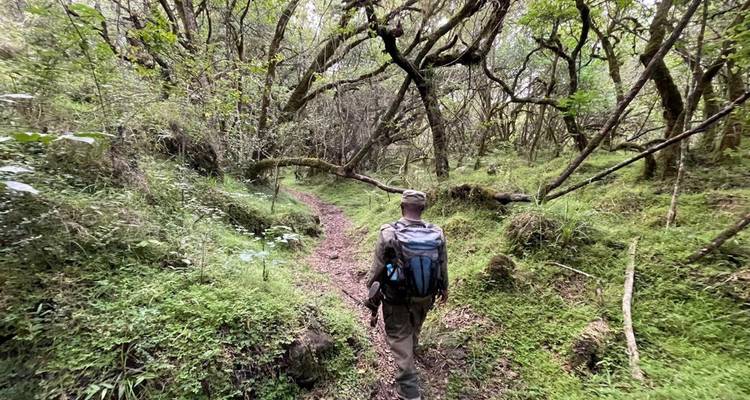
Transfert de l'hôtel au portail du parc national de Momella, puis randonnée à travers une forêt luxuriante en traversant la rivière Ngare Nanyuki jusqu'à la cabane de Miriakamba. Déjeuner et dîner fournis.
Jour 2 – De la cabane de Miriakamba à la cabane de Saddle
Randonnée à travers des clairières forestières et des landes de bruyère géante jusqu'à la cabane de Saddle. Ascension optionnelle du petit sommet de Meru. Petit‑déjeuner, déjeuner et dîner inclus.
Jour 3 – Ascension du sommet du Mont Meru et retour à Arusha
Départ tôt le matin vers le point Rhino pour atteindre le sommet du Mont Meru (4 566 m). Descente complète jusqu'à Momella Gate, puis transfert vers l'hôtel de base à Arusha. Petit‑déjeuner, déjeuner et dîner fournis.
Point de rencontre

Inclus
- task_alt Accommodation
- task_alt Guide
- task_alt Meals
- task_alt Additional Services
- task_alt Transport
Exclu
- close Flights
- close Insurance
- close Additional Services
Questions fréquemment posées
What exactly is included in the €701.27 price for the 3‑day Mount Meru Climbing tour?
The price covers all accommodation for the three nights, all main meals (breakfast, lunch and dinner) as listed in the itinerary, a fully licensed English‑speaking guide, park entrance fees, all internal transfers (hotel‑to‑Momella Gate, between huts and back to the base hotel in Arusha), and the use of standard trekking equipment such as trekking poles and sleeping mats. Personal expenses, optional summit fees for Little Meru, and tips are not included.
Are there any additional fees that are not covered by the tour price, such as park entrance or equipment rental?
The €701.27 fee already includes the Arusha National Park entrance charge and the basic trekking gear required for the climb. Extra costs may arise for optional activities, such as the additional ascent to Little Meru, personal souvenirs, alcoholic beverages, or any special equipment you choose to bring (e.g., a personal sleeping bag). If you require a private vehicle outside the scheduled transfers, that would be an extra charge.
Can I pay the €701.27 fee in installments, and what payment methods are accepted?
Payments can be made by major credit cards (Visa, MasterCard, American Express) or via secure bank transfer. The operator offers a two‑installment option: a 50 % deposit to secure the reservation and the remaining balance due 14 days before the start date. Exact installment terms are confirmed during the booking process, and the payment link will specify the accepted methods.
What is the cancellation and refund policy if I need to change my travel dates?
Cancellations made more than 30 days before the start date receive a full refund minus a €50 processing fee. Between 30 and 14 days, 50 % of the total price is refundable. Cancellations within 14 days of departure are non‑refundable, but a credit for a future date may be offered at the operator’s discretion. Changes to the itinerary are subject to availability and may incur a re‑booking fee.
Is travel insurance required for this Mount Meru climbing tour?
While not mandatory, travel insurance that covers medical evacuation, high‑altitude trekking, and personal injury is strongly recommended. Many national parks in Tanzania require proof of adequate coverage at the gate, and the guide may ask to see a copy before the trek begins. If you already have a policy, ensure it lists “trekking above 2 500 m” as an included activity.
Does the price include airport transfers to and from Arusha?
The tour price includes a round‑trip transfer between the designated Arusha hotel (or a central meeting point) and Momella Gate, the park entrance for the climb. It does not cover private airport pick‑up or drop‑off; those must be arranged separately. However, many travelers combine the tour with a pre‑arranged airport shuttle, which can be booked through the same operator for an additional fee.
What time does the first day of the Mount Meru climb start, and where do I meet the guide?
Day 1 begins early in the morning, typically at 07:00 local time. Participants gather at the lobby of the pre‑booked hotel in Arusha, where the guide will meet the group, verify equipment, and escort everyone to the transfer vehicle. The vehicle departs for Momella Gate at approximately 08:00, arriving in time for the scheduled trek through the forested trail.
How many nights of accommodation are provided, and what type of lodging can I expect?
The itinerary includes three nights of accommodation: the first night at a basic lodge near Momella Gate, the second night at Miriakamba Hut, and the third night at Saddle Hut. All lodgings are simple, clean facilities with shared bathrooms, hot water, and communal dining areas. Bedding and basic toiletries are supplied; you will share the space with other participants in a small‑group setting.
What baggage allowance do I have for the trek, and are there any restrictions on gear?
Each participant may bring one personal day‑pack (up to 15 kg) and a small overnight bag for personal items. The guide will carry the main trekking equipment, including sleeping mats and poles. Prohibited items include firearms, illegal substances, and large metal objects that could damage the trail. Pack lightweight, quick‑dry clothing, a waterproof jacket, and a reusable water bottle.
How many days should I allocate before or after the tour to explore Arusha or nearby attractions?
Most travelers add one or two days before the climb to acclimatise in Arusha, visit the Cultural Heritage Centre, or take a short safari in the nearby Serengeti or Ngorongoro Conservation Area. After the trek, an additional 1‑2 days allow for a visit to the Arusha National Park, a coffee plantation tour, or a transfer to Kilimanjaro for a separate ascent. Adjust the length based on your interests and flight schedule.
Do I need a visa to enter Tanzania for this 3‑day Mount Meru climbing tour?
Visa requirements depend on your nationality. Most visitors obtain a tourist visa on arrival at the airport (costing approximately US $50) or apply for an e‑visa beforehand. Citizens of certain countries are exempt. Because the tour operator does not provide visa services, you should verify the current requirements on the Tanzanian immigration website or with your nearest embassy before booking.
What passport validity and vaccination requirements apply for travelers joining the Mount Meru climb?
Your passport must be valid for at least six months beyond your intended departure date from Tanzania. The Tanzanian government requires proof of yellow‑fever vaccination if you are arriving from a country with risk of transmission. Routine vaccinations (hepatitis A/B, typhoid, tetanus) are recommended, and a COVID‑19 test may be required depending on current health regulations. Check the latest health advisories before travel.
Is a medical certificate or fitness clearance required before participating in the climb?
A formal medical certificate is not mandatory, but the guide will ask each participant to complete a health questionnaire confirming they have no heart, respiratory, or severe joint conditions. If you have a known medical issue, it is advisable to obtain a doctor’s clearance stating you are fit for high‑altitude trekking up to 4 500 m. The guide can provide the questionnaire in advance.
What fitness level is recommended for the 3‑day Mount Meru climbing itinerary?
The trek involves moderate to strenuous walking on uneven terrain, with daily elevation gains of 800‑1 200 metres. Participants should be comfortable with multi‑hour hikes, have a basic level of cardiovascular fitness, and be able to carry a light day‑pack. Prior experience on hikes of 10‑15 km with some altitude is beneficial, but beginners in good shape can complete the route with the guide’s assistance.
Is this tour suitable for families with children, and what is the youngest age allowed?
The tour is family‑friendly for children aged 12 years and older who can manage the daily walking distances and altitude changes. Younger children may find the ascent to the summit too demanding. Parents should ensure kids are well‑hydrated, have appropriate footwear, and are comfortable with basic camping conditions. The guide can adjust the pace slightly for families, but the overall schedule remains fixed.
Can senior travelers (over 60) safely join the Mount Meru climb, and are there any special accommodations?
Seniors in good health can undertake the trek, provided they have no serious cardiovascular or respiratory conditions. The guide will monitor the group’s pace and allow extra rest breaks if needed. No special equipment is required beyond standard trekking gear, but participants may request a slightly lower luggage load or a more comfortable sleeping pad. A pre‑tour medical check is strongly advised for travelers over 60.
What are the main highlights of the Mount Meru climbing route, and which points are considered the most scenic?
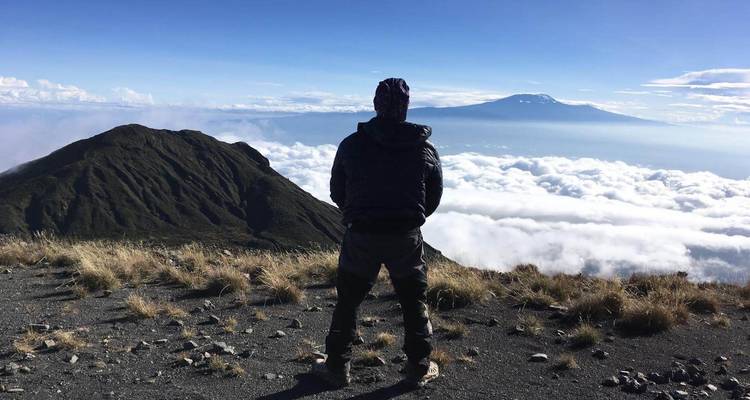
Key highlights include the lush forest walk from Momella Gate to Miriakamba Hut, crossing the Ngare Nanyuki River, and trekking through giant heather fields to Saddle Hut. The early‑morning summit push offers panoramic views from Rhino Point, where you can see the crater of Mount Kilimanjaro and the surrounding savannah. The descent through varied ecosystems provides a diverse visual experience, making the summit and the river crossing the most photographed spots.
Will there be any free time during the trek to explore the surrounding forest or visit local villages?
The itinerary is structured to maximise trekking time, so scheduled free periods are limited. However, at Miriakamba Hut and Saddle Hut there is a short rest window (approximately 30 minutes) where you can stretch, take photos, or chat with local staff. The guide may allow a brief stop at a nearby village if the group wishes, but any extended detour would need prior arrangement and could affect the overall schedule.
Is the 3‑day Mount Meru Climbing tour a good choice for someone visiting Tanzania for the first time?
Yes, it is a solid introduction to Tanzanian high‑altitude trekking because the climb is shorter and less technical than Kilimanjaro, yet still offers spectacular views and a taste of the country’s diverse ecosystems. The fully guided, small‑group format provides safety, local insight, and logistical support, allowing first‑time visitors to focus on the experience rather than planning details. Pairing the trek with a brief stay in Arusha adds cultural context to the adventure.
Which type of traveler gets the most value from this guided Mount Meru climb compared with arranging the trek independently?
Travelers who value convenience, safety, and local expertise benefit most. The guided package handles park permits, transfers, accommodation, meals, and equipment, eliminating the need to coordinate multiple suppliers. Independent trekkers must arrange transport, hire guides, secure permits, and manage logistics, which can be time‑consuming and costly if mistakes are made. Budget‑conscious travelers who enjoy planning may prefer a DIY approach, but most find the all‑inclusive price offers good value for peace of mind.
What should I pack and prepare before joining the Mount Meru climbing tour?
Pack lightweight, moisture‑wicking clothing, a waterproof jacket, trekking boots with good ankle support, a warm hat, gloves, and a sleeping bag rated for 0 °C (or use the provided one). Bring a 2‑liter water bottle, a headlamp with extra batteries, sunscreen, a basic first‑aid kit, and personal toiletries. Verify that your passport, visa (if required), travel insurance, and any necessary vaccinations are in order at least two weeks before departure.
How does booking a fully guided private tour affect safety and navigation on Mount Meru compared to a self‑guided hike?
A fully guided private tour provides a licensed guide who knows the trail, weather patterns, and emergency procedures, reducing the risk of getting lost or encountering hazardous conditions. The guide manages pace, monitors altitude sickness, and coordinates park officials for any required assistance. In a self‑guided hike, you would need to hire a local guide separately, carry permits, and navigate without professional support, which can increase logistical complexity and safety concerns.
What is the difference between this guided tour and traveling independently to climb Mount Meru?
The guided tour bundles accommodation, meals, park fees, transfers, and a professional English‑speaking guide into a single price, ensuring a coordinated schedule and immediate assistance if issues arise. Traveling independently requires you to arrange each component—transport to Momella Gate, permits, hut bookings, meals, and a certified guide—often at higher total cost and with greater risk of miscommunication. The guided option also includes a small‑group experience, which many find more enjoyable than solo trekking.
Vous pourriez aussi aimer
Plus de visites dans la même destination

Tanzania
Randonnée 7 jours Marangu – Kilimandjaro depuis Moshi
Tanzania
Randonnée familiale de 8 jours sur le Rongai du Kilimandjaro
Tanzania
Safari familial en Tanzanie – 8 jours d’aventure tout‑terrain
Tanzania
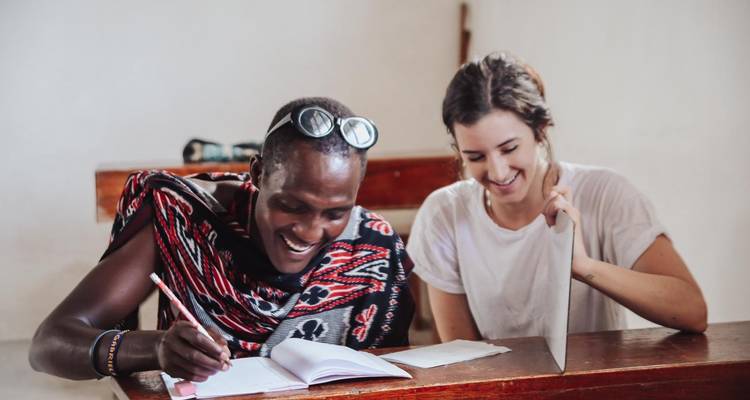
14‑Day Tanzania & Zanzibar Safari with School Volunteering and Dolphin Swim
À partir de
$701 personne