Lake Titicaca tourism guide: geography, culture and travel tips
Lake Titicaca, straddling Peru and Bolivia, offers a blend of high‑altitude scenery, ancient cultures and unique island communities. The Arab Union for Tourist Media highlights its geography, climate, recommended travel periods and practical advice for visitors planning trips to the region.
In this story
At a glance
- What changes
- Provides updated travel information for Lake Titicaca visitors
- Timing
- Published on 13 Nov 2026
- Who is affected
- Tourists planning trips to Peru or Bolivia's Lake Titicaca region
The details
- Announced by
- Arab Union for Tourist Media
Geographical overview
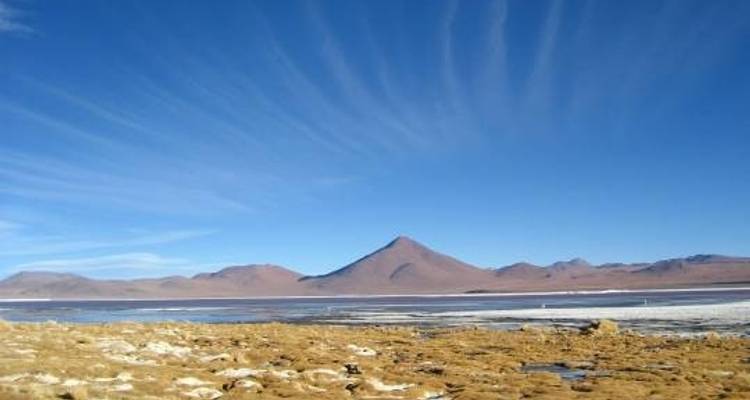
Lake Titicaca lies in the Andes on the border between Peru and Bolivia, rising over 3,810 metres above sea level. It is the highest lake in the world that can support navigation and covers about 8,300 square kilometres.
Key attractions and cultural sites
The lake is divided into a larger Peruvian sector and a Bolivian sector. Notable islands include the floating reed islands of Uros, the hilltop island of Taquile, and Amantani, where visitors can stay with local families and experience Aymara and Quechua cultures.
- Uros islands feature homes built from totora reeds.
- Taquile offers panoramic views and traditional weaving.
- Amantani provides homestays and agricultural activities.
Travel planning and practical advice
The best visiting period is the dry season from May to October, when temperatures reach around 24 °C during the day and drop noticeably at night. Travelers should prepare layered clothing, sturdy footwear and sun protection. Altitude may cause mild symptoms; gradual activity is recommended during the first day.
- Fly into Juliaca (Peru) or La Paz (Bolivia) and transfer by bus or taxi to Puno or Copacabana.
- Accommodation ranges from budget hostels to luxury hotels in Puno and Copacabana.
- Local tour operators offer cultural, adventure and relaxation packages.
What this means for travellers
Trip planning
- Travelers should schedule visits during the May‑October dry season for optimal weather.
- Plan for altitude acclimatization by limiting strenuous activity on arrival day.
Cost and documents
- No new fees or documentation requirements are mentioned for visiting the lake.
- Standard travel documents for Peru or Bolivia remain applicable.
What you need to do
- Check flight connections to Juliaca or La Paz and arrange ground transport to lake hubs.
- Pack layered clothing, sturdy shoes and sun protection for high‑altitude conditions.
Who this affects
-
Adventure tourists
The article highlights trekking, boating and cultural immersion opportunities around Lake Titicaca.
What to do Consider booking guided tours that include altitude‑adjusted itineraries.
-
Family travelers
Family‑friendly accommodation options and cultural experiences are described.
What to do Select suitable lodging in Puno, Copacabana or island homestays.
-
Cultural heritage enthusiasts
Information on ancient civilizations, local crafts and traditional islands is provided.
What to do Include visits to Uros, Taquile and Amantani in the itinerary.
Frequently asked questions
When is the best time to visit Lake Titicaca?
The dry season from May to October offers the most favorable weather, with daytime temperatures around 24 °C and minimal rain, making it ideal for trekking and island visits.
How high is Lake Titicaca?
Lake Titicaca sits at more than 3,810 metres (12,500 ft) above sea level, making it the highest navigable lake in the world.
What are the main islands to see on Lake Titicaca?
Key islands include the floating reed islands of Uros, the hilltop island of Taquile known for weaving, and Amantani, where visitors can stay with local families.
Do I need special permits to travel on Lake Titicaca?
No special permits are mentioned; standard entry visas for Peru or Bolivia apply, and travel agencies arrange boat tours without additional documentation.
What should I pack for a trip to Lake Titicaca?
Pack layered clothing for temperature swings, sturdy walking shoes, a light jacket, sun protection and any personal altitude‑related medication you may need.